Yixing Zisha Teapot - A Complete Guide to Appreciation and Care
The zisha teapot represents the pinnacle of Chinese tea vessels. From clay types to shape selection, from buying tips to nurturing methods—a comprehensive guide to understanding Yixing zisha.
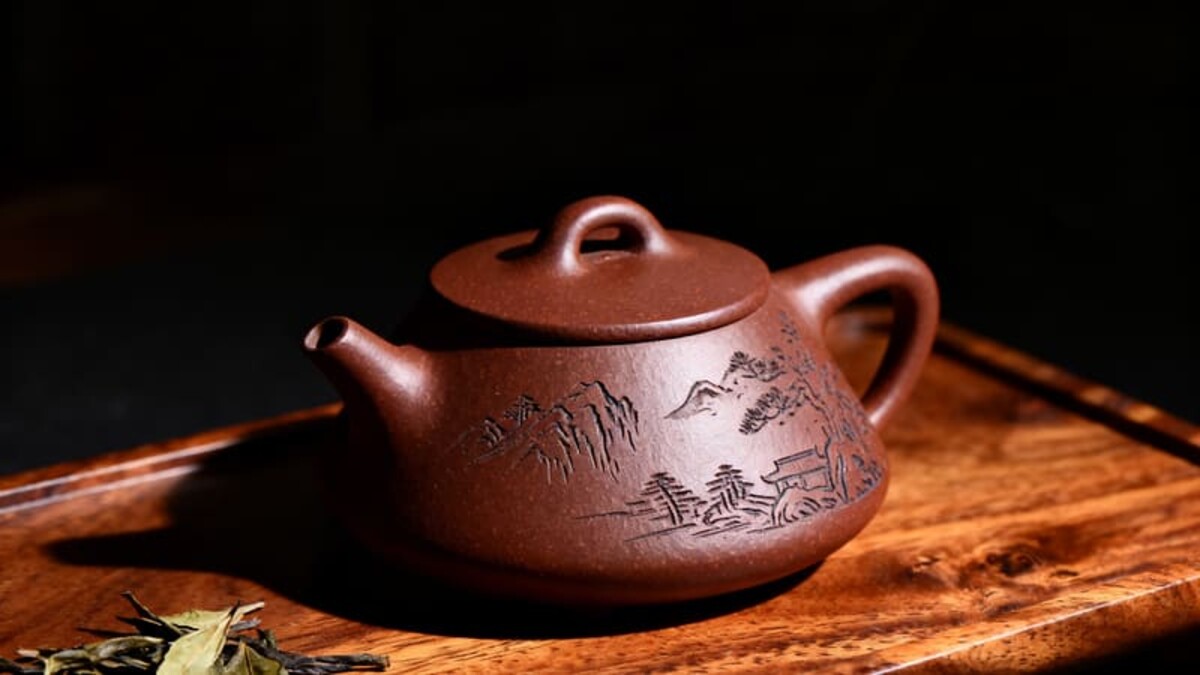
Yixing Zisha Teapot - A Complete Guide to Appreciation and Care
The Yixing zisha teapot, born in Dingshu Town, Yixing, Jiangsu Province, represents the pinnacle of Chinese tea vessels. Unglazed and unpainted, it relies on its unique clay, exquisite craftsmanship, and profound character to become the object of every tea lover's desire.
A fine zisha teapot is not merely a tea vessel—it is a companion for life. Over time, it gradually develops a warm, jade-like luster with a distinctive patina, recording every quiet moment of your tea journey.
Why Zisha?
The uniqueness of zisha clay lies in its dual-pore structure—containing both closed and open pores. This structure gives zisha teapots three core characteristics:
Breathable Yet Watertight
The pore structure of zisha allows the tea to "breathe," resulting in more mellow aromas. At the same time, the tea is less likely to spoil—even in the height of summer, overnight tea rarely turns sour.
Absorbs Tea Fragrance
When you consistently use the same teapot for the same type of tea, the pot gradually absorbs the tea's aroma. Over time, even pouring in hot water alone releases a subtle tea fragrance. This is why tea connoisseurs practice "one pot, one tea."
Improves with Age
The most captivating aspect of zisha teapots is their "nurturability." A new pot may appear slightly dry, but with long-term use and careful maintenance, it gradually becomes warm and lustrous like jade. This process, known as "yang hu" (nurturing the pot), is the essence of zisha culture.
Classification of Zisha Clay
Zisha clay is primarily divided into three categories: Zini (Purple Clay), Zhuni (Cinnabar Clay), and Duanni (Segment Clay). Each type has its unique color and properties, suitable for brewing different teas.
Zini (Purple Clay)
Zini is the most common zisha clay, appearing purple-brown or deep purple.
Characteristics:
- Stable Nature: Moderate firing shrinkage, easy to shape
- Excellent Breathability: Pronounced dual-pore structure
- Suitable Teas: Pu-erh, oolong, black tea—teas with higher fermentation levels
Zini teapots brew full-bodied, mellow tea, making them the ideal choice for beginners. Classic shapes such as Shipiao, Fanggu, and Duoqiu are typically made from Zini.
Zhuni (Cinnabar Clay)
Zhuni appears red-brown or orange-red with high iron content, making it the "delicate beauty" of zisha clays.
Characteristics:
- Brilliant Color: Red as cinnabar, visually striking
- High Shrinkage: Difficult to fire, low yield rate
- Fine Texture: Relatively lower breathability
- Suitable Teas: Tieguanyin, high mountain tea, lightly fermented oolongs
Zhuni teapots excel at concentrating aroma, making them perfect for brewing highly aromatic teas. However, Zhuni is delicate and requires careful maintenance—avoid sudden temperature changes.
Duanni (Segment Clay)
Duanni appears light yellow or beige-yellow; it is a natural symbiotic ore of Zini and Green Clay.
Characteristics:
- Distinctive Granularity: Visible sandy texture
- Best Breathability: Ideal for lighter teas
- Elegant Appearance: Pure and warm, with unique charm
- Suitable Teas: Green tea, white tea, lightly fermented oolongs
Duanni teapots brew clear, sweet tea, especially suitable for summer use. However, Duanni absorbs color easily, so it's not recommended for very dark teas.
Teapot Shapes
Zisha teapots come in a rich variety of shapes, each with its distinctive character.
Round Shapes
- Shipiao: Simple, powerful form; the classic representative of zisha teapots
- Fanggu: Round and full, dignified and stable
- Duoqiu: Three spheres stacked, flowing lines
- Xishi: Small and exquisite, like the skin of a beauty
Round teapots are suitable for most tea types, making them a safe choice for beginners.
Square Shapes
- Chuanlu: Square meets round, combining strength and softness
- Zhuanfang: Sharp edges, imposing presence
Square teapots are challenging to craft and require high skill levels.
Naturalistic Shapes (Flower Teapots)
- Zhuduan: Bamboo node design, elegant and refined
- Meizhuang: Plum tree form, proud spirit against frost
- Songduan: Pine tree design, ancient and profound
Naturalistic teapots incorporate natural beauty into functional objects, representing the perfect fusion of art and utility.
How to Choose a Zisha Teapot
When selecting a zisha teapot, consider four dimensions: clay, craftsmanship, shape, and practicality.
1. Examine the Clay
Good zisha clay should have:
- Natural Color: Not overly bright, with a rustic quality
- Uniform Grain: Visible fine sand particles, not completely smooth
- Good Breathability: When rinsed with boiling water, the pot will "sweat"
Beware of "chemical clay"—overly bright colors often indicate added chemical pigments.
2. Examine the Craftsmanship
Zisha teapots are made through three main methods:
- Fully Handmade: Handcrafted by artisans, unique, high collectible value, highest price (usually $300+)
- Semi-Handmade: Mold-assisted with hand finishing, good value ($80-300)
- Mold-Made: Mass-produced, simple craftsmanship, inexpensive ($10-80)
For daily use, semi-handmade teapots are a good choice. For collection, choose fully handmade works by certified zisha artisans.
3. Consider Shape
Choose based on:
- Personal Preference: Select a style you genuinely like
- Practical Needs: Capacity, pouring smoothness
- Tea Matching: Round shapes are versatile, Zhuni concentrates aroma, Duanni is refreshing
4. Test Practicality
A good teapot should not only look beautiful but also perform well:
- Smooth Pouring: Water flows in a clean stream without interruption
- Clean Stop: No dripping when pouring stops
- Tight Seal: Lid fits snugly against the pot opening
- Comfortable Grip: Well-balanced, easy to hold
The Art of Nurturing a Teapot
Nurturing a teapot is the essence of zisha culture. A new teapot, through long-term use and careful maintenance, gradually becomes warm and lustrous like jade.
Opening a New Pot
Before using a new teapot, it needs to be "opened":
- Rinse with Clean Water: Remove internal impurities
- Rinse with Boiling Water: Awaken the clay
- Soak in Tea: Soak in the tea you plan to brew for 2-3 hours
- Air Dry: Let it dry in a ventilated area
Daily Maintenance
- One Pot, One Tea: Avoid mixing flavors, helps develop unique tea fragrance
- Nurture Inside and Out: Wipe the exterior with a tea cloth, let tea nourish the interior
- Keep Clean: Rinse with clean water after each use, avoid tea scale buildup
- Avoid Oil and Grease: Keep away from cooking fumes—oil clogs the pores and affects breathability
- Regular Use: Frequent use makes the pot more lustrous
Maintenance Taboos
- Never use dish soap or chemical cleaners
- Never scrape the pot surface with hard objects
- Avoid sudden temperature changes (cold water on hot pot)
- Don't use immediately after long storage (open it first)
- Avoid oil and cosmetic contamination
The Mindset of Nurturing
Nurturing a teapot is like nurturing jade—it requires time and patience. Don't rush or force it. In the daily ritual of brewing tea, the pot naturally becomes warm and lustrous. This process itself is a form of self-cultivation.
Cultural Significance of Zisha Teapots
A zisha teapot is not merely an object but a carrier of culture.
Literary Elegance
Since the Ming and Qing dynasties, scholars and poets have formed deep connections with zisha teapots. They engraved poems and paintings on pots, integrating poetry, calligraphy, and seal carving, making zisha teapots "scholars' elegant vessels."
Craftsmanship Heritage
A single zisha teapot embodies decades of an artisan's skill. From selecting clay, preparing clay, designing, shaping to firing—every step requires exquisite craftsmanship and immense patience. This represents the traditional Chinese "spirit of the craftsman."
Vessels of the Way
Zisha teapots embody the wisdom of traditional Chinese philosophy: Following Nature (sourcing from nature), Unity of Heaven and Humanity (harmony between person and vessel), Great Simplicity (simple yet powerful forms). In the process of brewing and using the teapot, we also comprehend Eastern philosophical wisdom.
Conclusion
A zisha teapot is an object, a way of life, and a spiritual pursuit.
Choose a good teapot, nurture it with care. Through the passage of time, it will become your faithful tea companion, recording every quiet moment of your tea journey.
May you find your own teapot in the world of zisha and embark on a wonderful journey of tea appreciation.
Tea is the fine plant of the South; the teapot is the treasure of Yixing. Brewing tea with a teapot reveals the true essence of tea.