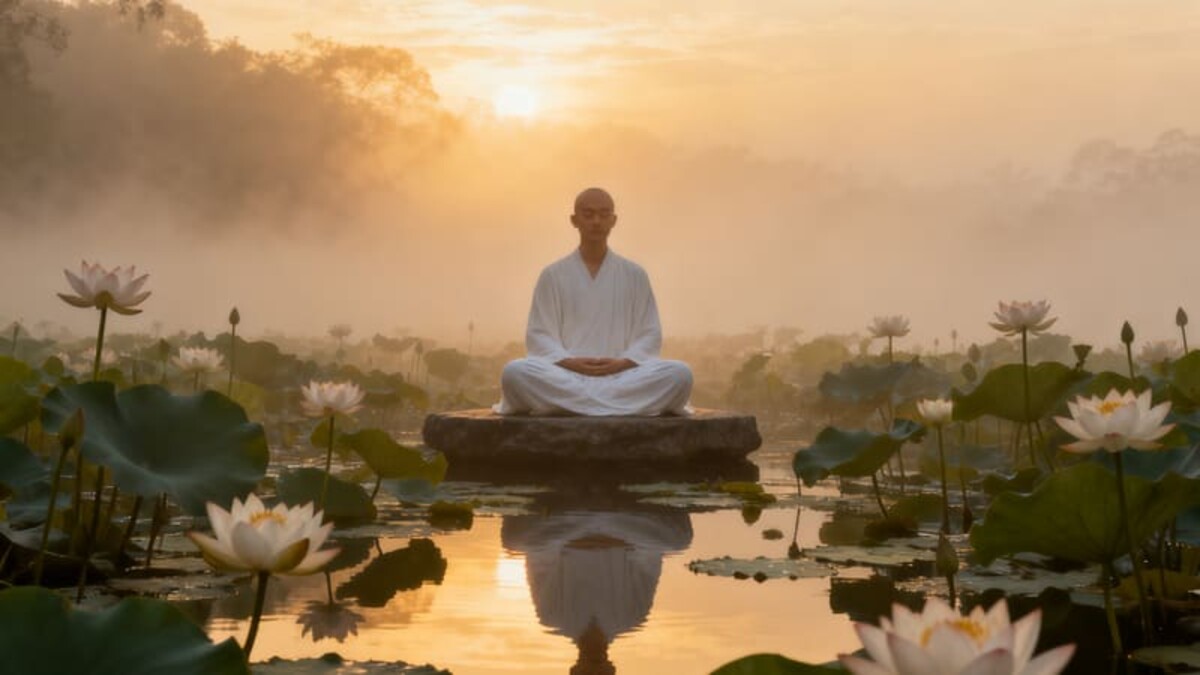
Meditation for Beginners - A Complete Guide to Starting Your Practice
Meditation for Beginners: A Complete Guide to Starting Your Practice
"Meditation is not about emptying the mind, but learning to make peace with your thoughts."
In our fast-paced modern world, more and more people are seeking inner peace. Meditation, an ancient practice rooted in wisdom, is being validated by modern science: it reduces stress, enhances focus, improves sleep, and strengthens emotional regulation.
If you're interested in meditation but don't know where to start, this guide is for you.
Why Meditate?
The Modern Mental Dilemma
We live in an era of information overload:
- Constant notifications from our phones
- Endless scrolling on social media
- Blurred boundaries between work and life
- Anxiety, insomnia, and scattered attention have become the norm
Meditation is creating an inner sanctuary in this noisy world.
Scientifically Proven Benefits
Neuroscience research shows that consistent meditation can:
Changes in Brain Structure
- Increase prefrontal cortex thickness (responsible for decision-making and focus)
- Decrease amygdala volume (responsible for fear and anxiety)
- Strengthen connections between brain regions
Psychological and Emotional
- Lower cortisol (stress hormone) levels
- Increase serotonin (happiness hormone) production
- Improve sleep quality
- Enhance emotional regulation
Physical Health
- Lower blood pressure
- Strengthen immune system
- Reduce perception of chronic pain
The Essence of Meditation
Not "Emptying the Mind"
Many people mistakenly believe meditation means making the mind completely blank, which sounds both difficult and mysterious.
The truth: Meditation is not about eliminating thoughts, but observing them.
It's like sitting by a river watching the water flow. Thoughts pass like water, and you simply watch quietly without being swept away.
The Core is "Awareness"
The essence of meditation is Awareness:
- Awareness of breath
- Awareness of bodily sensations
- Awareness of emotional fluctuations
- Awareness of thoughts arising and passing
This capacity for awareness can be gradually strengthened through practice.
Starting from Scratch: Week One Practice
Preparation
Choose Your Time
- Initial recommendation: After waking up or before bed
- Duration: 5-10 minutes is sufficient
- What matters is consistency every day, not the length of each session
Choose Your Place
- A relatively quiet environment
- A space where you won't be disturbed
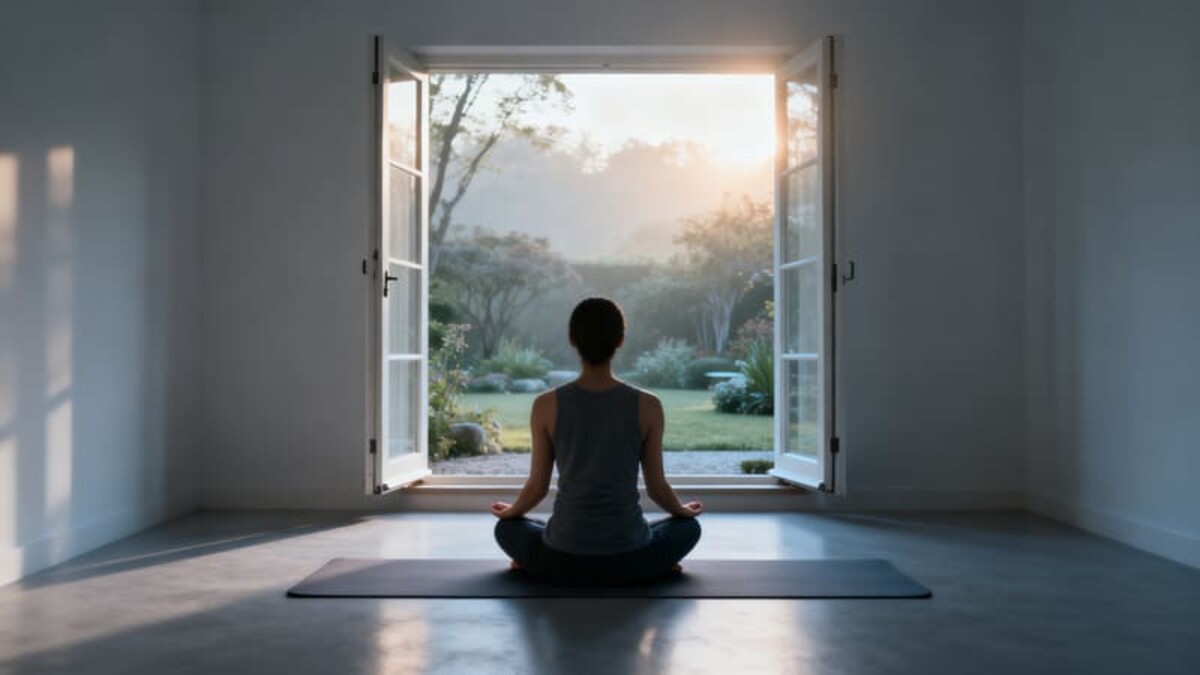
- You can sit on a chair, cushion, or floor
Posture Essentials
- Spine straight but relaxed
- Shoulders dropped
- Hands naturally placed
- Eyes can be closed or half-open
Day 1: Breath Meditation (5 minutes)
Steps:
- Find a comfortable sitting position
- Gently close your eyes
- Focus your attention on your breath
- Feel the sensation of air entering your nostrils
- Notice the rise and fall of your chest and abdomen
- When you notice your mind wandering, gently return to the breath
Key: Wandering is normal. Don't blame yourself—just return to the breath.
Day 2: Body Scan (7 minutes)
Steps:
- Start from the top of your head
- Slowly scan down through your body
- Observe sensations in each area: tension, relaxation, warmth, coolness...
- No need to change any sensation, just observe
- Scan from head to toe, then from toe to head
Day 3: Thought Observation (5 minutes)
Steps:
- Focus on your breath
- When a thought appears, mentally note: "This is a thought"
- Don't follow the content of the thought
- Don't judge whether the thought is good or bad
- Gently return to the breath
Metaphor: Thoughts are like clouds in the sky. You watch them float by, but don't get carried away by the clouds.
Day 4: Sound Awareness (5 minutes)
Steps:
- Close your eyes
- Listen to sounds around you
- No need to identify the source of sounds
- Just treat sounds as background
- Maintain open awareness
Day 5: Emotion Observation (7 minutes)
Steps:
- Focus on your breath for a few moments
- Ask yourself: "How am I feeling right now?"
- Observe any emotions that arise
- Don't judge emotions as good or bad
- Observe emotions like observing the weather
Day 6: Loving-kindness Meditation (5 minutes)
Steps:
- Focus on your breath
- Silently repeat in your mind:
- "May I be safe"
- "May I be healthy"
- "May I be happy"
- "May I be at peace"
- Then extend these wishes to others
Day 7: Free Practice (10 minutes)
Steps:
- Choose any practice you enjoyed this week
- Extend to 10 minutes
- Enjoy this time with yourself
Common Questions and Answers
Q1: I keep getting distracted. Am I not suited for meditation?
A: Getting distracted is normal—it's even part of meditation.
Each time you notice wandering and return to the breath, it's like doing a "mental push-up." It's this very process that trains your attention.
Don't aim for "no wandering," but practice "gently returning to the present."
Q2: I feel anxious or restless during meditation. What should I do?
A: This means you're confronting accumulated emotions, which is actually good.
Suggestions:
- Shorten duration, start with 3 minutes
- Try meditating with eyes open
- Focus on the sensation of your feet touching the ground (grounding)
- If intense discomfort arises, seek professional help
Q3: Should I meditate at the same time every day?
A: Initially, a fixed time helps build the habit.
But more importantly: When you think of meditating, just do it, even if only for 1 minute.
Q4: Do I need meditation music or guided audio?
A: In the beginning, guided audio can help, but the long-term goal is to meditate independently.
Recommended Resources:
- Headspace
- Calm
- Insight Timer
- Ten Percent Happier
Q5: How long until I see results from meditation?
A:
- 1-2 weeks: May feel more relaxed
- 4-8 weeks: Improved attention, better sleep
- 3+ months: Brain structure changes, more stable emotions
The key is consistent practice, not the length of each session.
Advanced Suggestions
Week 2: Extend to 15 Minutes
- Mix different meditation techniques
- Try silent meditation (unguided)
- Start noticing meditation's impact on daily life
Week 3: Daily Mindfulness
Extend meditation into daily life:
- While eating: Focus on the taste and texture of food
- While walking: Feel the contact between your feet and the ground
- While washing dishes: Notice the water temperature and texture of dishes
- While waiting: Be aware of your breath instead of checking your phone
Meditation is not escaping life, but living more deeply.
After One Month: Explore Different Meditation Traditions
- Vipassana: Insight meditation
- Zen (Zazen): Just sitting
- Tibetan: Visualization and mantras
- MBSR (Mindfulness-Based Stress Reduction): Western medical system
Find the approach that suits you best.
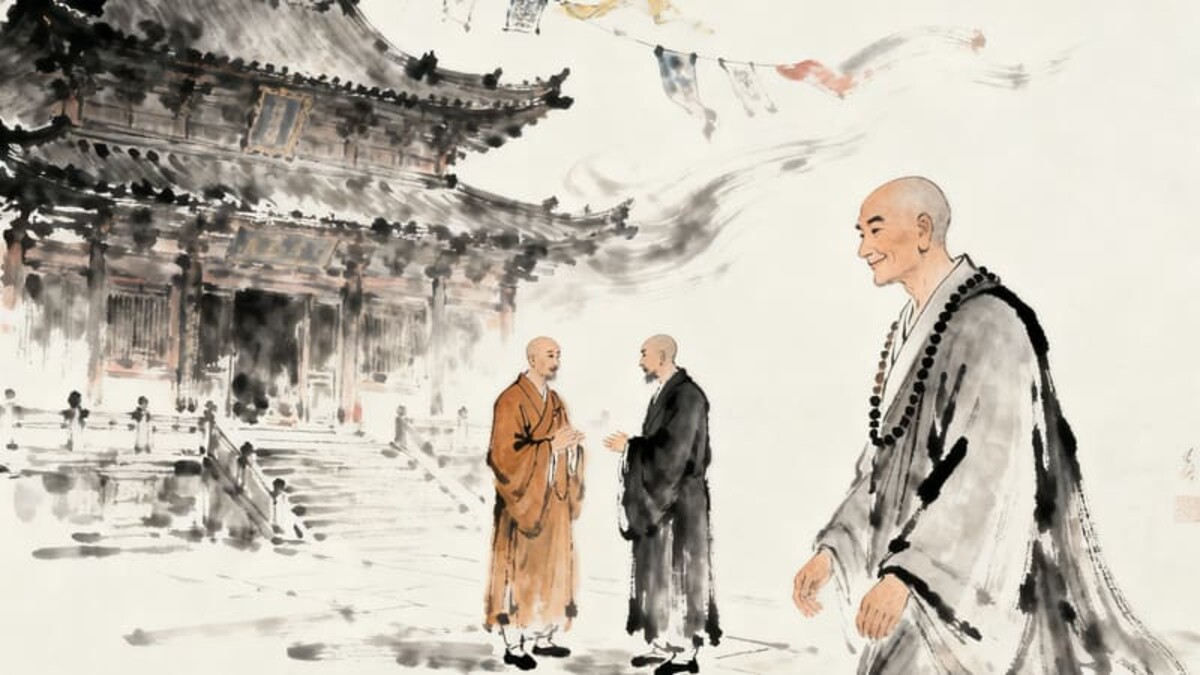
Eastern Wisdom and Meditation
Zen's "Just Sitting"
Japanese Zen master Dogen said: "Just sit."
This means not pursuing any goal, not expecting any experience, simply sitting. This effortless attitude paradoxically allows the mind to truly settle.
Taoism's "Empty Mind"
The Tao Te Ching says: "Attain the ultimate emptiness; hold fast to the stillness."
Meditation is not about adding something, but subtracting—reducing attachment, judgment, and inner noise, allowing natural wisdom to emerge.
Buddhism's "Right Mindfulness"
The core of Mindfulness is:
- In the present: Not lost in the past, not anxious about the future
- Non-judgmental: Observe things as they are, without labeling
- Non-attachment: Allow everything to be as it is
Practical Tips
Building a Meditation Habit
-
Link to existing habits
- After waking → Meditate → Brush teeth
- Before bed → Meditate → Sleep
-
Lower the barrier
- Start with 3 minutes
- Don't pursue perfect posture
- Allow yourself to just sit
-
Record your experience
- Simply note how each session felt
- Don't judge, just record
Staying Motivated
- Join meditation communities
- Use meditation apps to track progress
- Regularly review changes
- Share experiences with friends
Conclusion
Meditation is not escaping reality, but facing reality more clearly.
It's not a religion, requires no belief—it's simply a practice: learning to be with your own mind.
In this noisy world, giving yourself 10 minutes of silence may be the best gift you can give yourself.
Start today, start with 5 minutes, start with one breath.
May you find inner peace.
Recommended Reading
- The Miracle of Mindfulness - Thich Nhat Hanh
- The Power of Now - Eckhart Tolle
- Buddha's Brain - Rick Hanson
- Zen Mind, Beginner's Mind - Shunryu Suzuki
Begin Your Meditation Journey
If you're ready, close your eyes now and take 3 deep breaths.
This is the beginning of meditation.
Happy practicing.