A Day Without Work, A Day Without Food: How Master Baizhang Spent His Whole Life Proving That Work Is Practice
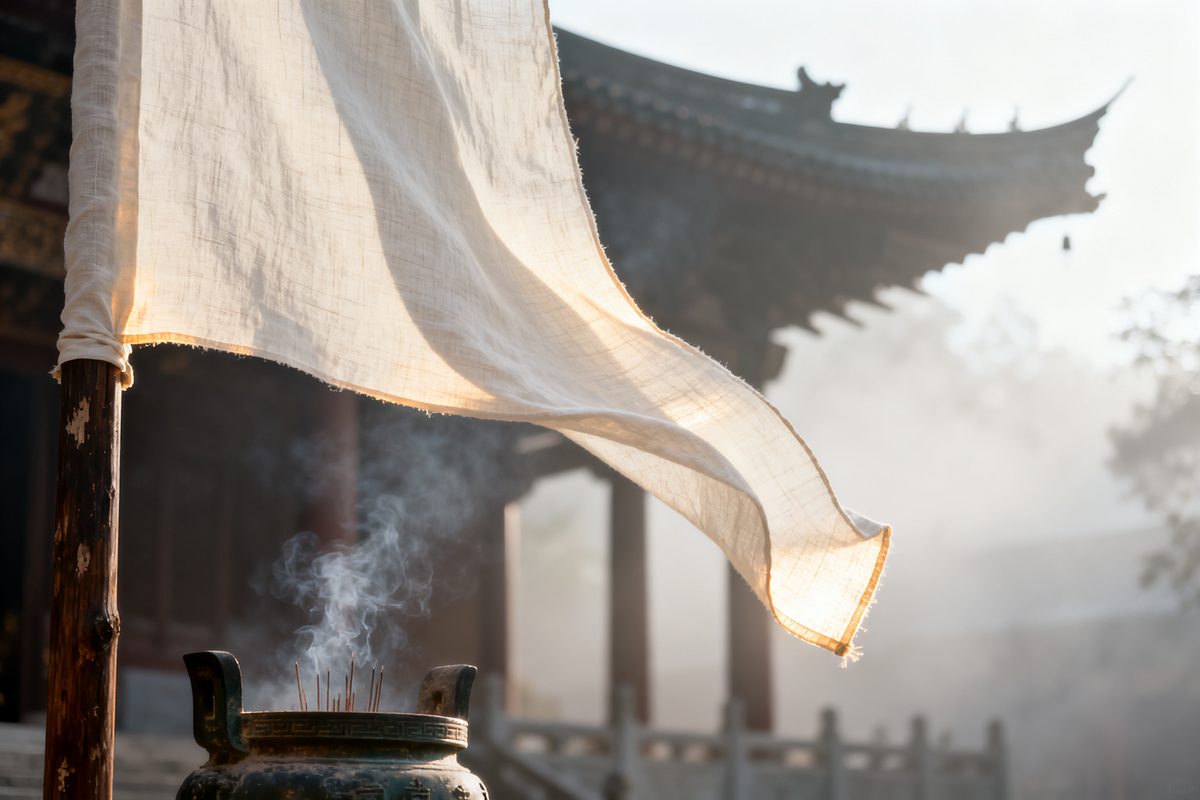
During the Tang Dynasty, an old monk named Huaihai lived on Baizhang Mountain. Every day he worked alongside younger monks. When his disciples hid his tools, he refused to eat. This story has been passed down for over a thousand years.
A Day Without Work, A Day Without Food: How Master Baizhang Spent His Whole Life Proving That Work Is Practice
This afternoon I was repotting plants on the balcony, hands covered in soil, dirt packed under my fingernails. I was going to wash up quickly and move on to something else, but for some reason I just stayed crouched there, slowly repotting a few succulents.
Afterward I sat beside them and spaced out for a while. And a story came to mind.
During the Tang Dynasty, on a mountain in Jiangxi called Baizhang, there lived an old monk named Huaihai. Everyone called him Master Baizhang.
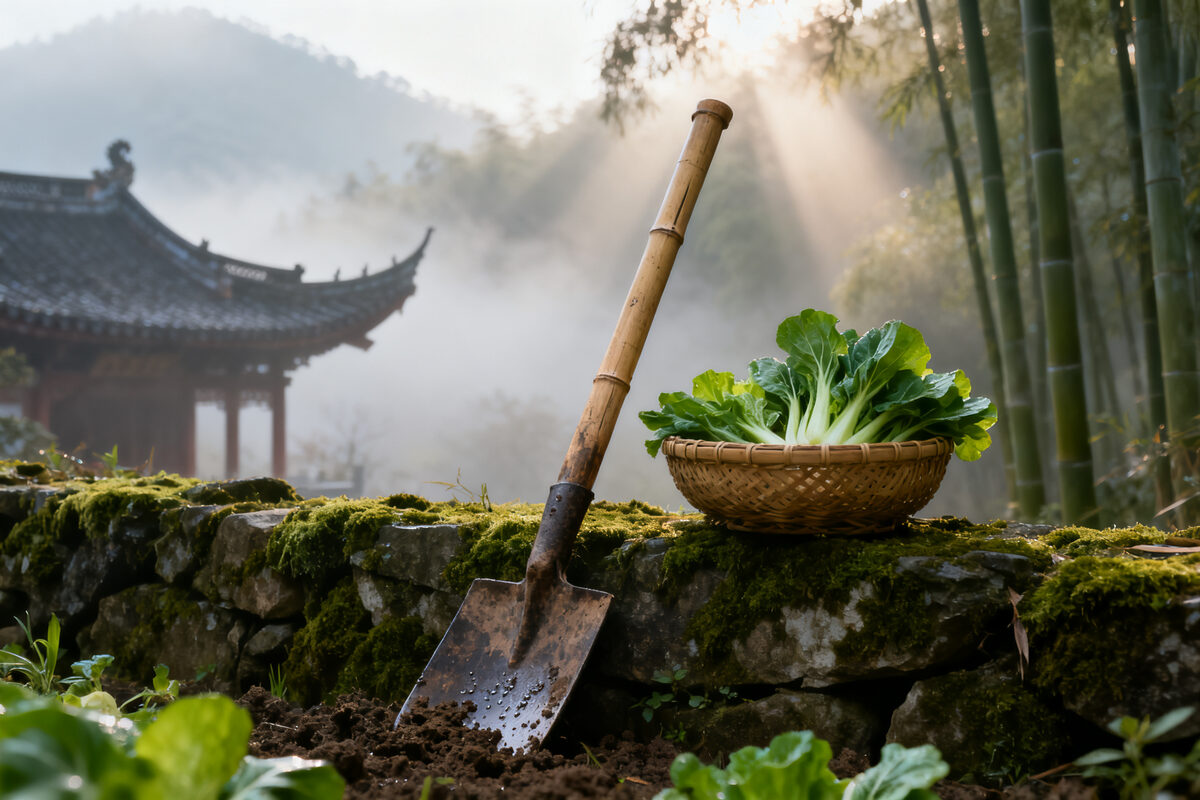
He was very old, but every day he worked in the fields alongside the younger monks. Planting vegetables, carrying water, chopping wood, sweeping the ground — he did everything. His disciples couldn't bear to watch, so they urged him to rest. He refused.
One day, the disciples got together and hid his tools. Without tools, he surely couldn't work, right?
Master Baizhang couldn't find his tools, so that day he didn't go to work.
When it was time to eat, he didn't go to eat either.
The disciples panicked. "Master, why aren't you eating?"
Master Baizhang said something that has been passed down for over a thousand years:
"A day without work, a day without food."
If he didn't work, he wouldn't eat.
The disciples had no choice. They gave him back his tools.
When I first read this story, honestly, I didn't think it was anything special. Work is glorious? Self-reliance? I'd heard those lessons since childhood.
But later I started to feel there was more to it than that.
Before Master Baizhang, monks in India didn't work. Practice was practice. They begged for food and lived on donations. This made sense in Indian culture — society had a division of labor. Some people produced, some people practiced, and they supported each other.
But in China, this didn't work.
Chinese people value hard work in their bones. If you don't work and just eat for free, common people won't accept it, and neither will the emperor. Several times in history, there were movements to suppress Buddhism, and one of the main reasons was that "monks don't produce anything and drain society's wealth."
So what Master Baizhang did was actually quite remarkable: he made Buddhism Chinese.
He created the "Baizhang Rules," establishing a practice system for Chinese Zen. The core principle was this: monks must work. Farming, chopping wood, cooking, cleaning — all of it is part of practice.
Not "practice a bit when you're done working," and not "work a bit when you're done practicing."
Work itself is practice.
Sometimes I think this applies today too.
I know people who want to "quiet their minds," who want to "practice." They think sitting in meditation, chanting sutras, and doing guided meditations are the real things. Work is torture. Housework is a burden. Taking care of kids is draining.
They split their lives into two parts: one is "meaningful" (meditation, reading, contemplation), and the other is "meaningless" (work, cooking, cleaning, dealing with errands).
Then they spend a lot of energy chasing the first part and avoiding the second.
I used to be like that too.
But slowly I realized that the moments when my mind feels most quiet are usually not when I'm sitting on a cushion.
It's when I'm washing dishes. Water runs over the back of my hands, dishes get clean one by one, and after the last one I dry my hands and the kitchen is tidy. That moment is very quiet.
It's when I'm tidying up a room. Putting scattered things back in their places, wiping dust off the table, mopping the floor. Afterward I sit on the couch and look at the clean room, and my mind feels organized too.
It's when I'm walking. Not rushing somewhere. Just walking. Feet stepping on the ground, one step at a time, hearing the wind, looking at the trees by the road, thinking about nothing.
That's probably what Master Baizhang meant.
It's not that he didn't understand the importance of sitting meditation. Of course he did. But he was saying: don't think that only sitting cross-legged on a cushion counts as practice. The motion of picking up a broom to sweep, the posture of bending over to plant vegetables — that itself is practice.
Because when you're working, your body is doing one thing, and your mind is doing the same thing. That's actually mindfulness.
Of course, I'm not preaching "work is the most glorious thing." That would just be another kind of pressure.
Master Baizhang's point wasn't "you must work." His point was: don't split your life into "sacred" and "secular."
When you eat, eating is practice. When you walk, walking is practice. When you wash dishes, washing dishes is practice. When you build blocks with your kid, building blocks is practice.
Not because these things are extraordinary, but because when you do them with full attention, your mind is settled.
When the mind is settled, everywhere is a practice hall. When the mind is unsettled, even sitting in a magnificent temple doesn't help.
Master Baizhang lived to ninety-five.
He never preached any earth-shattering truths in his whole life. He just worked when it was time to work, ate when it was time to eat, sat in meditation when it was time to sit. When his disciples wanted him to rest, he said no.
Not because he wasn't tired, and not because he was "great."
I think it's because he had grown into a certain rhythm. In that rhythm, work and practice were the same thing. Life and the Dharma were the same thing. If one day he stopped working, that rhythm would break.
That's why he said, a day without work, a day without food.
He wasn't making a point. He was describing his own way of living.
When I was crouched on the balcony repotting succulents, it was probably like that too. No grand purpose. Just feeling that in that moment, this was the thing to do. Hands in the dirt, mind very quiet.
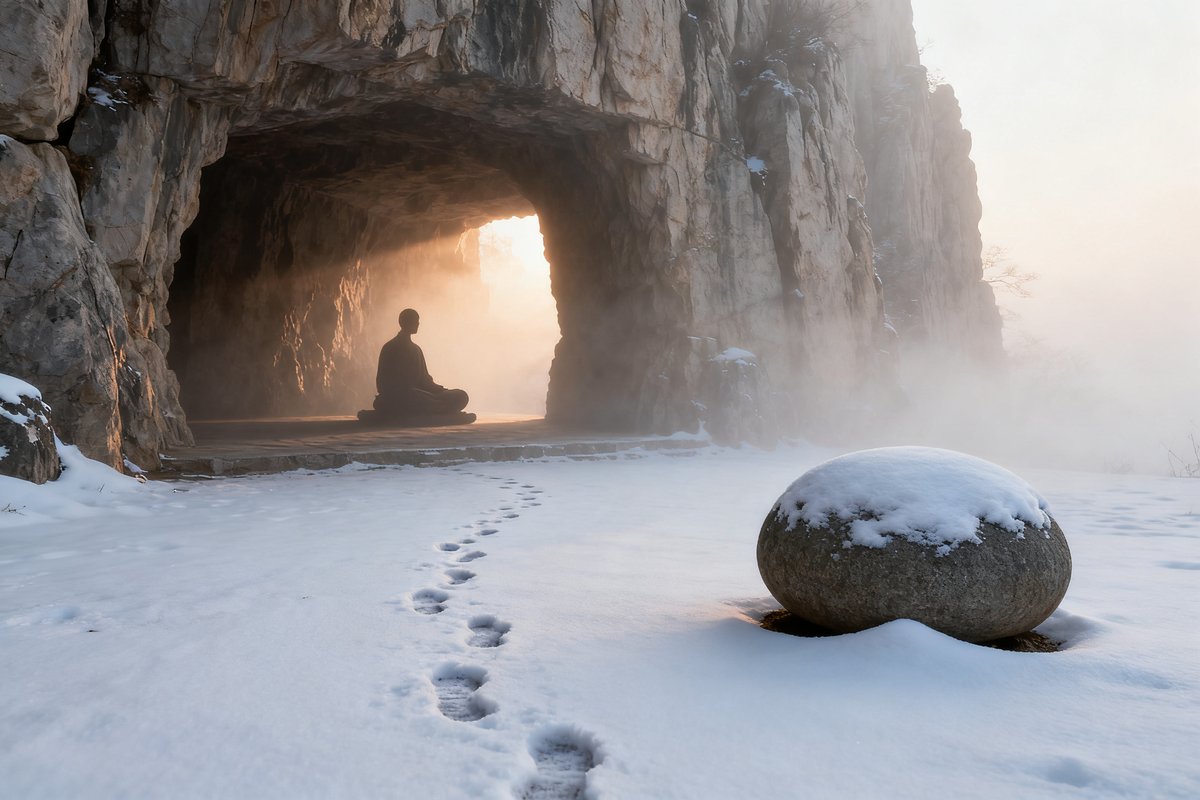
Maybe that's what practice is. Not going somewhere special to do something special.
Just this moment. The thing your hands are doing right now.
Three questions for myself, and for you:
-
Have you ever felt your mind go especially quiet while doing something "boring"? What was it?
-
Have you ever divided your life into "meaningful" and "meaningless"? Who drew that line?
-
If everything today were practice — brushing your teeth, going to work, cooking dinner, waiting for the bus — would you see this day differently?