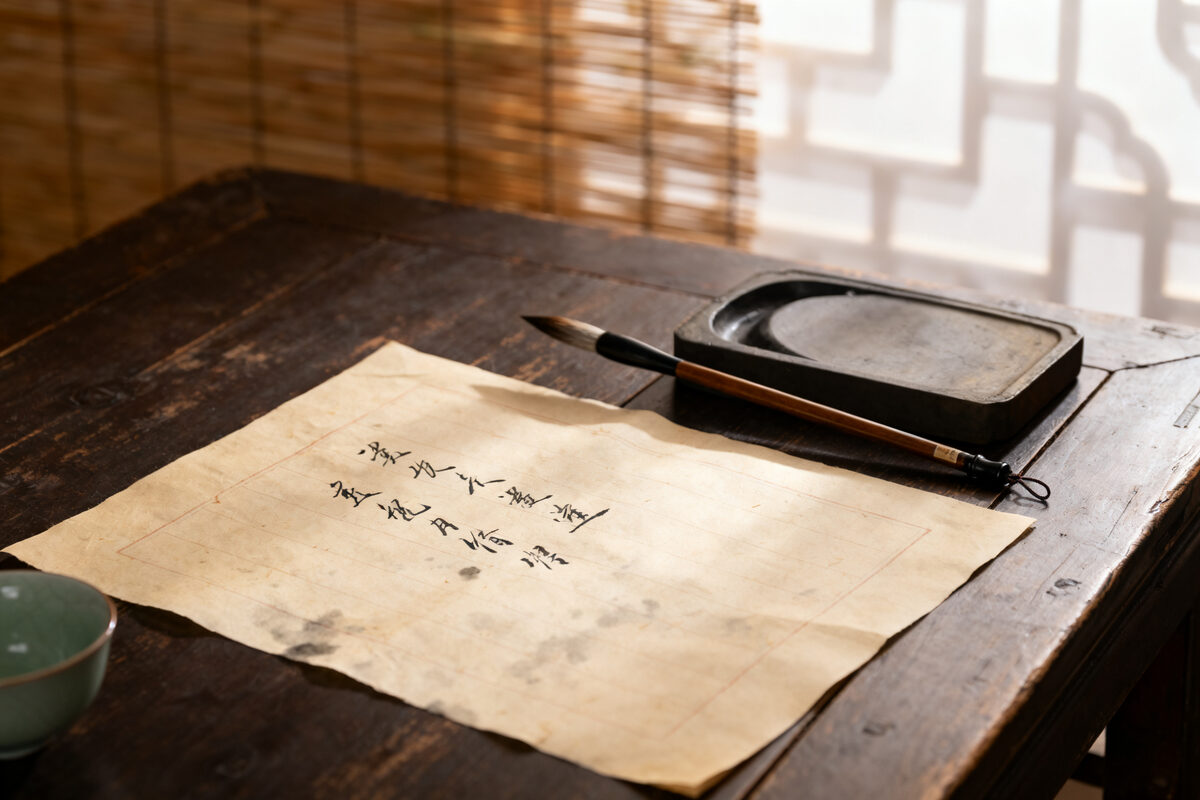
Just Sit: Dogen Zenji's Practice of No-Seeking
Dogen Zenji returned from China to Japan with a single teaching: Just sit. No seeking enlightenment, no seeking Buddhahood. Just sitting. This is the entirety of practice.
Just Sit: Dogen Zenji's Practice of No-Seeking
In 1227 CE, a Japanese monk completed his training in China and returned home.
His name was Dogen.
From his teacher Tiantong Rujing, he had learned one thing:
Just sit.
Later, he founded the Soto school of Zen in Japan.
And "just sit" became the heart of his teaching.
What Is "Just Sit"?
"Just" — only, merely, simply.
"Sit" — sit in meditation.
Together: merely sitting.
Not for enlightenment. Not for Buddhahood. Not for a peaceful mind. Not for any purpose.
Just sitting.
That Sounds Like... Doing Nothing?
Yes.
But "doing nothing" is precisely the highest practice.
Ordinary people meditate:
- To relax
- To reduce stress
- To gain wisdom
- To become enlightened
All of these are "seeking something."
Dogen said:
When you sit, you are Buddha.
No need to "become" Buddha.
Why Sit If You Get Nothing?
Because sitting itself is the purpose.
Not sitting "to get something later." Sitting is just sitting.
Like—
You walk, not "to reach a destination." You listen to music, not "to complete a task." You watch a sunset, not "to gain something."
You do it because it's worth doing.
What's the Difference Between "No-Seeking" and "Not Trying"?
"No-seeking" is not "not trying."
Just sitting requires great effort:
- Maintaining upright posture
- Keeping awareness clear
- Not following thoughts
- Not getting drowsy, not getting agitated
But you "try" not to get anything.
You try because "trying to sit" is itself the practice.
The purpose is in the action, not after the action.
Dogen's Story
When Dogen was young, he studied Buddhism at Mount Hiei in Japan.
He had a question:
"If everyone has Buddha-nature, why practice?"
If we're already Buddha, why make effort?
No teacher in Japan could answer.
So he crossed the sea to China, seeking the answer.
At Mount Tiantong, he met Rujing.
Rujing didn't give long explanations. He simply said:
Sit.
Dogen sat. Just sat.
One day, while sitting, he heard the morning bell ring.
In that single bell sound, he understood:
Body and mind have fallen away.
Buddha-nature is not something to "obtain."
Buddha-nature is this very you sitting right now.
What Does "Body and Mind Fall Away" Mean?
"Body falls away" — the body is not "self." "Mind falls away" — thoughts are not "self."
When the concept of "self" falls away—
What remains?
Only "sitting."
No "person sitting." No "purpose of sitting." No "result of sitting."
Only sitting.
This is the ultimate state of "just sit."
What Does This Have to Do with Modern Life?
You Always Do Things "For Something"
Exercise for your body. Read for knowledge. Work for money. Meditate for peace.
Everything has a purpose.
"Just sit" tells you:
Some things need no purpose.
Can you:
- Walk, just to walk?
- Drink tea, just to drink tea?
- Space out, just to space out?
No purpose is itself liberation.
You're Always "Waiting for Results"
Studied long, no progress—anxious. Tried hard, no effect—depressed. Gave much, no return—disappointed.
Because you live in "results."
"Just sit" tells you:
Live in "process."
Sitting needs no result. Sitting itself is complete.
You're Always "Looking for Meaning"
What's the point of this? What's the use of doing that? Why should I try?
Meaning isn't found.
Meaning is there when you're doing it.
Sitting has no "meaning." But sitting is meaning itself.
How to Start "Just Sit"?
-
Find a quiet place No special location needed. Anywhere you can sit.
-
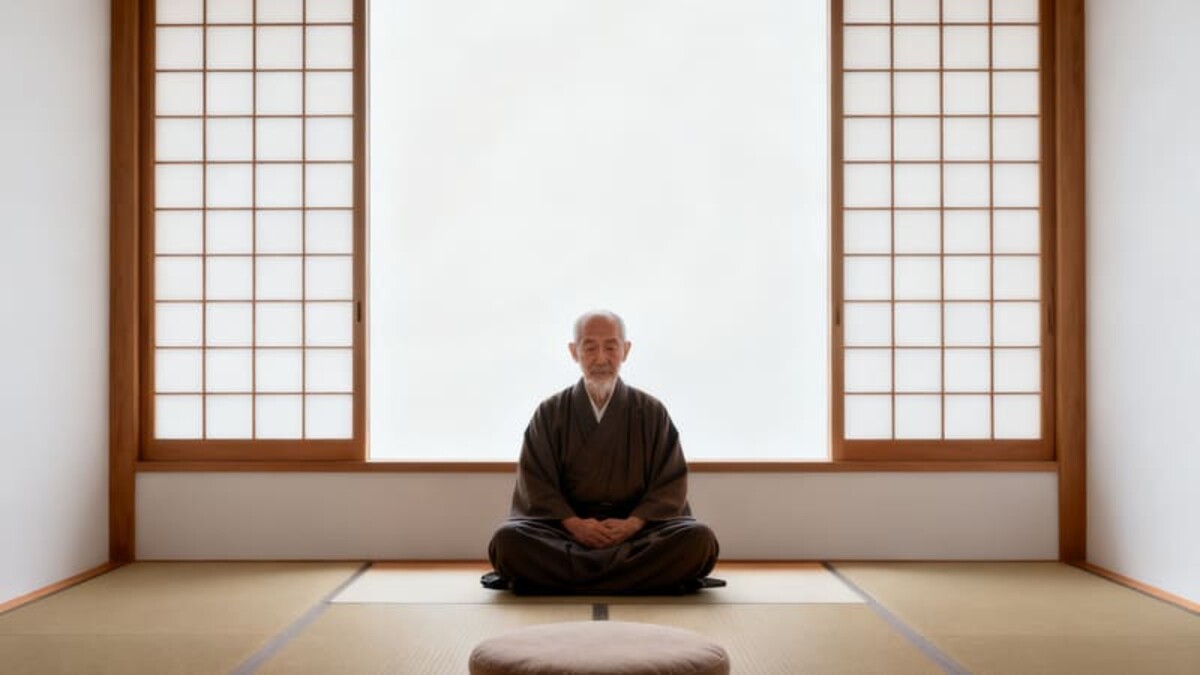
Maintain upright posture Cross-legged, spine straight, hands in mudra, eyes half-open.
-
Seek nothing Not peace, not clarity, not wisdom.
-
Just sit Breathe, be aware, sit.
-
Thoughts come—let them come Don't follow, don't resist, just see.
-
Thoughts go—let them go Don't cling, don't regret, just continue.
That's it.
A Metaphor
Imagine a mirror.
The mirror reflects a flower—the mirror isn't happy about the flower. The mirror reflects filth—the mirror isn't disgusted by filth.
The mirror just reflects.
Your mind should be like this.
Thoughts come—aware. Thoughts go—aware.
No welcoming, no resisting, no grasping, no rejecting.
This is the mind of "just sit."
Dogen's Last Words
In 1253, Dogen was 54, gravely ill.
He told his disciples:
"The real aspect of all things is the Buddha Way."
"All phenomena are manifestations of Buddha-dharma."
"Don't cling to enlightenment or delusion."
"Just sitting is the Buddha's practice."
Then he sat.
Just like that, sitting, he departed.
In One Breath
Just sit.
No seeking enlightenment. No seeking Buddhahood. No seeking anything.
Just sitting.
Because the moment you sit, you already are what you're seeking.
Reflections
- Can you think of something you do with "no seeking"? How did that feel?
- If everything you did today had no result, would you still do it?
- If you sat down right now, thinking nothing, seeking nothing—what would happen?
May you find that moment of "just."
May you, in no-seeking, attain everything.