Tea Ceremony: Zen and Life in a Cup
Tea is not merely a beverage, but an attitude toward life. In the gestures of pouring water, adding tea, and serving, we discover the essence of Eastern culture and the serenity of existence.
Tea Ceremony: Zen and Life in a Cup
The Origin of Tea
Tea, born in China, embraced by the world.
Legend tells of Shennong, the Divine Farmer, who tasted hundreds of herbs and encountered seventy-two poisons in a single day—only to have tea dissolve them all. Thus began humanity's journey with this magical leaf.
From medicine to food, from food to drink, tea's identity has evolved through the ages. Yet its core value—connecting humanity with nature and bringing peace to the soul—remains eternal.
The Spirit of Tea Ceremony
Wa (Harmony)
Harmony is the heart of tea ceremony.
Harmony between humanity and nature: tea leaves, harvested from mountain wilds, carry the essence of heaven and earth.
Harmony between people: sharing tea fosters friendship, dissolving barriers through the art of tasting.
Harmony within oneself: a cup of pure tea calms the restless mind.
Sei (Tranquility)
Tranquility is the spirit of tea ceremony.
Xu Cishu of the Ming Dynasty wrote in Tea Records: "The wonder of tea lies in stillness."
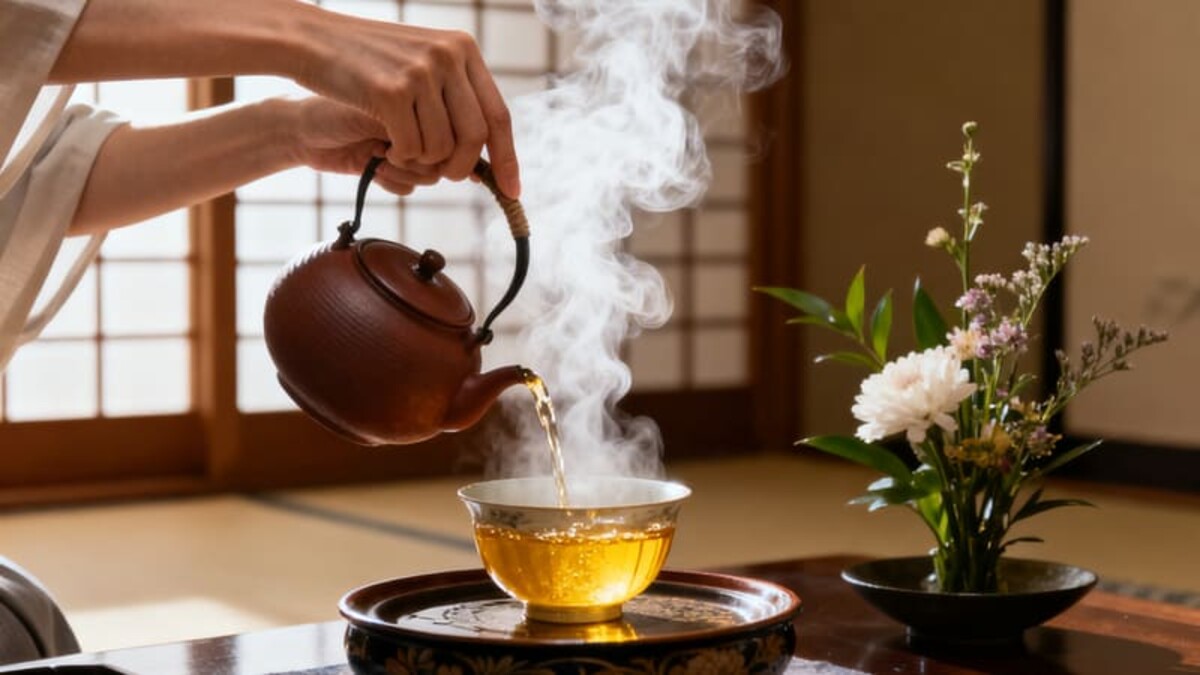
The process of brewing tea is itself a meditation:
- While heating water, listen to the sound of boiling
- While pouring, observe the flow of the stream
- While serving, inhale the fragrance that fills the air
In stillness, we dialogue with ourselves.
Yi (Joy)
Joy is the realm of tea ceremony.
Joy—inner contentment and peace.
It matters not whether the tea is precious or humble, but the mindset with which we taste it.
A simple cup of ordinary tea, savored with presence, surpasses the finest thousand-gold treasure.
Shin (Truth)
Truth is the essence of tea ceremony.
True tea, true water, true fire, true vessel, true heart.
Strip away ornamentation, return to authenticity.
Tea ceremony pursues not form, but the sincerity of the heart.
The Six Families of Tea
Green Tea: Fresh and Elegant
Representatives: Longjing, Biluochun, Maofeng
Characteristics: Unfermented, preserving the original freshness of the leaf Benefits: Clears heat, calms the spirit, refreshes the mind Best for: Spring and summer, or when feeling restless
"True Longjing tea is sweet and fragrant without being sharp. Sipped, it seems flavorless; yet after drinking, a harmonious energy permeates the teeth and palate. This flavorless flavor is the ultimate flavor." — Lu Ciyun, Qing Dynasty
Black Tea: Warm and Mellow
Representatives: Keemun, Dianhong, Lapsang Souchong
Characteristics: Fully fermented, bright red liquor, mellow taste Benefits: Warms the stomach and body, soothes emotions Best for: Autumn and winter, or those with cold constitution
Black tea is like a gentle elder—embracing and peaceful.
Oolong Tea: Layers of Complexity
Representatives: Tieguanyin, Da Hong Pao, Dongding
Characteristics: Semi-fermented, combining green tea's freshness with black tea's depth Benefits: Aids digestion, enhances beauty Best for: After meals, or those seeking complexity in taste
The wonder of oolong lies in how each infusion reveals different nuances:
- First infusion: savor the aroma
- Second infusion: taste the flavor
- Third infusion: appreciate the returning sweetness
White Tea: Naturally Divine
Representatives: Silver Needle, White Peony, Shoumei
Characteristics: Minimally fermented, simplest processing, closest to nature Benefits: Clears heat, moistens lungs, antioxidant Best for: Daily wellness, or those who prefer delicate flavors
White tea is like a hermit—unassuming, yet profoundly deep.
Yellow Tea: Rare and Precious
Representatives: Junshan Yinzhen, Mengding Huangya
Characteristics: Lightly fermented, complex processing, limited production Benefits: Strengthens spleen, stimulates appetite, aids digestion Best for: Connoisseurship, or those seeking unique experiences
Dark Tea: Aged by Time
Representatives: Ripe Pu-erh, Anhua Dark Tea, Liubao
Characteristics: Post-fermented, improves with age Benefits: Reduces fat, regulates digestion Best for: Long-term drinking, or those who appreciate aged fragrance
Pu-erh is the art of time.
A fine cake requires years, even decades, of aging.
In waiting, we learn patience; in tasting, we perceive the passage of years.
The Ritual of Brewing
Preparing the Vessels
Tea vessels are the carriers of tea ceremony.
Essential Teaware:
- Teapot/Gaiwan: the vessel for brewing
- Fair cup: for evenly distributing tea
- Tasting cups: for drinking
- Strainer: filters tea leaves
- Tea tray: holds vessels, catches water
Advanced Teaware:
- Tea scoop: measures leaves
- Tea pick: clears spout
- Tea tongs: handles cups
- Tea cloth: wipes vessels
Vessels are the father of tea; water is the mother of tea.
Selecting Water
Water is the mother of tea.
Fine tea requires fine water.
Ancient Wisdom on Water:
- Mountain spring water: finest, crisp and sweet
- River water: second best, requires settling
- Well water: acceptable, must be from a living well
- Rain/snow water: treasured by ancients, use with caution today
Modern Water Choices:
- Mineral water: suitable for most teas
- Purified water: clean taste, but lacks minerals
- Tap water: must be filtered or boiled to remove chlorine
Controlling Temperature
Different teas require different temperatures.
| Tea Type | Temperature | Reason |
|---|---|---|
| Green | 75-85°C | High heat destroys fresh, brisk flavor |
| White | 80-90°C | Moderate heat preserves delicate aroma |
| Yellow | 85-90°C | Moderate heat releases fragrance |
| Oolong | 95-100°C | High heat unlocks aromatic compounds |
| Black | 90-95°C | High heat releases mellow flavors |
| Dark | 100°C | Boiling water awakens aged fragrance |
Brewing Methods
Green Tea Method:
- Warm the vessel: rinse with hot water
- Add tea: ratio approximately 1:50
- Pour water: slowly along the vessel wall
- Taste: first smell, then observe color, then savor
Gongfu Tea Method (for oolong and pu-erh):
- Warm the pot: pour boiling water over the teapot
- Add tea: fill 1/3 to 1/2 of pot capacity
- Rinse: quickly pour in and out to awaken leaves
- Brew: high pour, low serve—to release aroma
- Distribute: pour into fair cup, then to tasting cups
- Savor: small sips, experiencing the layers
Tea Ceremony in Modern Life
Office Tea Practice
Amid busy work, brew yourself a cup:
- Prepare a thermos or portable tea maker
- Choose convenient tea bags or loose leaf
- Use break time to quiet the mind for a few minutes
A cup of tea's worth of time is enough to relax taut nerves.
Home Tea Practice
Create a simple tea space at home:
- A small tea tray
- One pot, one cup
- A few simple tea snacks
Weekend afternoons, alone with tea, or sharing with family.
Outdoor Tea Practice
Bring tea vessels into nature:
- By mountain streams
- On park lawns
- Upon sandy beaches
Brewing tea in nature, feeling the energy of heaven and earth.
Tea and Zen Meditation
"Go Drink Tea"
Among Zen koans, none is more famous than Zhaozhou's "Go drink tea."
A monk asked: "What is the Way?" Zhaozhou replied: "Go drink tea."
Another monk asked: "What is the essential meaning of Buddhism?" Zhaozhou replied: "Go drink tea."
Why "go drink tea"?
Because tea ceremony is meditation:
- While heating water, focus on the sound of boiling
- While adding tea, focus on the form of the leaves
- While pouring, focus on the flow of the stream
- While tasting, focus on the flavor of the liquor
In focus, wandering thoughts naturally dissolve; In presence,烦恼 has nowhere to abide.
Tea and Zen Are One
Tea ceremony and Zen meditation share the same essence.
Core of tea ceremony: focus, presence, simplicity Core of Zen: awareness, presence, letting go
A cup of tea is a meditation. No need to sit in lotus position, no need to chant sutras— Simply— pour water, serve tea, taste.
Tea and Life
Tea Is Like Life
First infusion: green and astringent, like youth entering society—full of vigor, yet slightly raw.
Second infusion: mellow and rich, like middle age—accumulated through time, flavor gradually revealed.
Third infusion: light and simple, like old age—returning to authenticity, plainness is truth.
Each infusion has its own flavor; Each life stage has its own brilliance.
Tasting Tea Is Tasting Life
Tasting tea is not merely tasting the flavor of tea, but tasting the flavor of life.
Bitterness: like difficulties and setbacks in life Astringency: like regrets and disappointments in life Sweetness: like achievements and joys in life Mellow depth: like accumulation and reflection in life
Bitterness yields to sweetness, astringency yields to returning sweetness— This is the philosophy of tea, and the wisdom of life.
Conclusion
One tea, one world; one leaf, one bodhi.
In this fast-paced era, may we all slow down, brew ourselves a cup of tea, and in the fragrance of tea, rediscover inner tranquility.
Tea is not merely a beverage, but a way of life, an attitude toward living, an art of existence.
Nourish the heart with tea, cultivate nature with tea. May every cup of tea become a moment of dialogue with yourself.