Delve into Eastern philosophy, craftsmanship, and cultural heritage


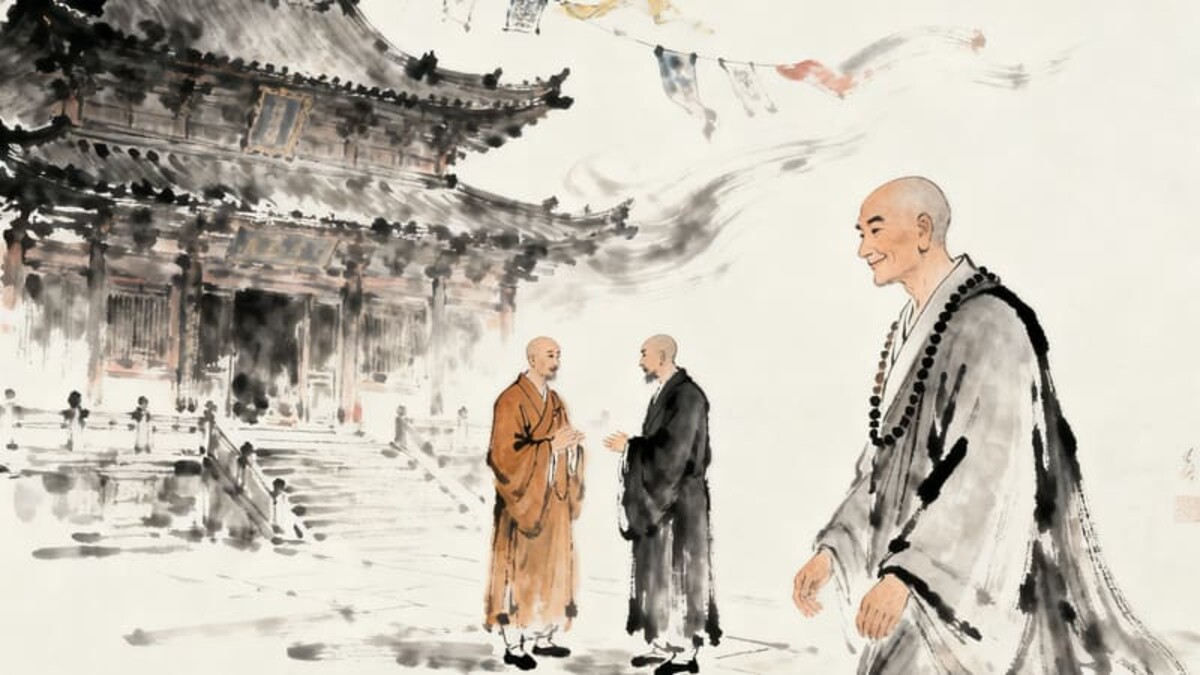
A young monk asked Zhaozhou how to practice. Zhaozhou simply said, "Go wash your bowl." One bowl of porridge, one alms bowl, one simple phrase — why did it bring sudden awakening? A deep exploration of this Zen koan's three layers of meaning.

The most famous parable from the Lotus Sutra—a burning mansion, children oblivious to danger, and a father who uses skillful means to save them. This 2,500-year-old story reveals the nature of our delusion in the Three Realms and the path toward liberation.

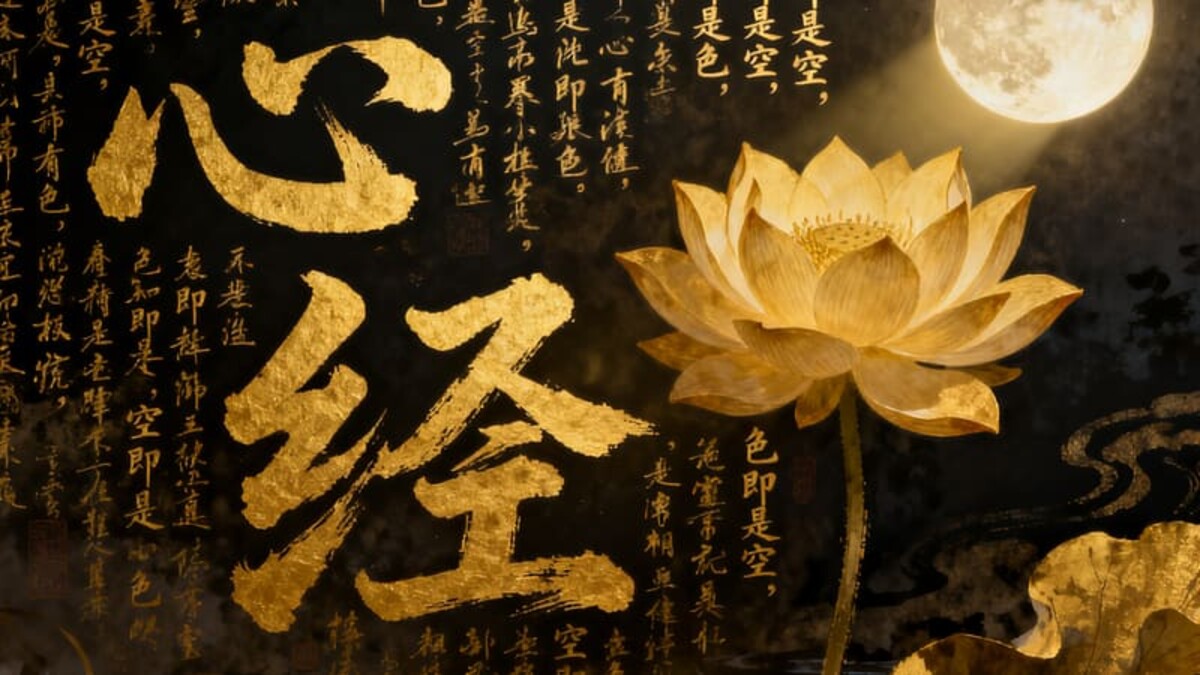
The Heart Sutra is only 260 characters long, yet it is the most widely recited Buddhist text in the world. It is not mysticism — it is a mirror, reflecting the truth about your attachments, anxieties, and the illusion of a fixed self.

Is the wind moving? Is the banner moving? Or is your mind moving? A question that has echoed through thirteen centuries, revealing our attachment to external appearances.

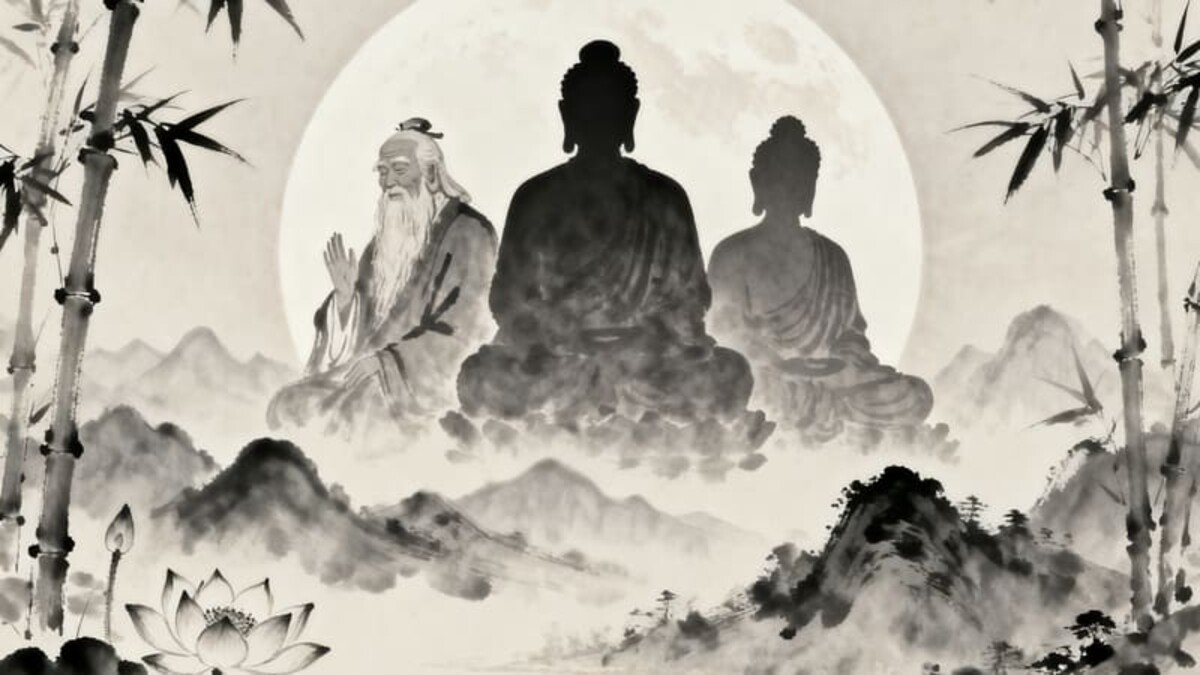
Four precepts guide the cultivation of clarity: non-attachment, non-craving, non-dwelling, non-striving. These are the shared wisdom of Confucianism, Buddhism, and Daoism.