The Man Who Was Always Laughing: The Story of Budai Monk
Behind that chubby, big-bellied, grinning Buddha at the temple entrance, there was a real person — a monk who carried a cloth bag and spent his life smiling. This is his story.
Whatever comes to mind. Sometimes a story I read, sometimes something that came to me while holding my mala beads.

Behind that chubby, big-bellied, grinning Buddha at the temple entrance, there was a real person — a monk who carried a cloth bag and spent his life smiling. This is his story.

Su Dongpo thought he was enlightened and wrote a poem declaring "the eight winds cannot move me." Foyin replied with two words: "Bullshit." He immediately crossed the river to confront his friend. This ancient story feels like it's about me.

The Buddha starved for six years in the forest and nearly died. What pulled him back wasn't some profound truth — it was an ordinary woman's kindness and a bowl of hot porridge. Sujata wasn't a practitioner or a noblewoman, just a village woman by the river who handed him a bowl of milk rice.

A monk asked Zen Master Dazhu Huihai how to attain the Dharma. Huihai said: "Your own treasure, why not open it?" This story stayed with me for a long time. What we've been searching for might never have been out there.

Through the story of a traveler and a bamboo raft, the Buddha revealed the ultimate wisdom of practice—the Dharma is like a raft: after crossing the river, you need not carry it.

The Three Jewels — Buddha, Dharma, and Sangha — are the most fundamental concept in Buddhism. This article explains their meaning and relevance for modern life.

Master Hsing Yun pioneered Humanistic Buddhism, bringing the Dharma into daily life. He taught us: Buddhism is not about escaping the world, but engaging with it more fully.

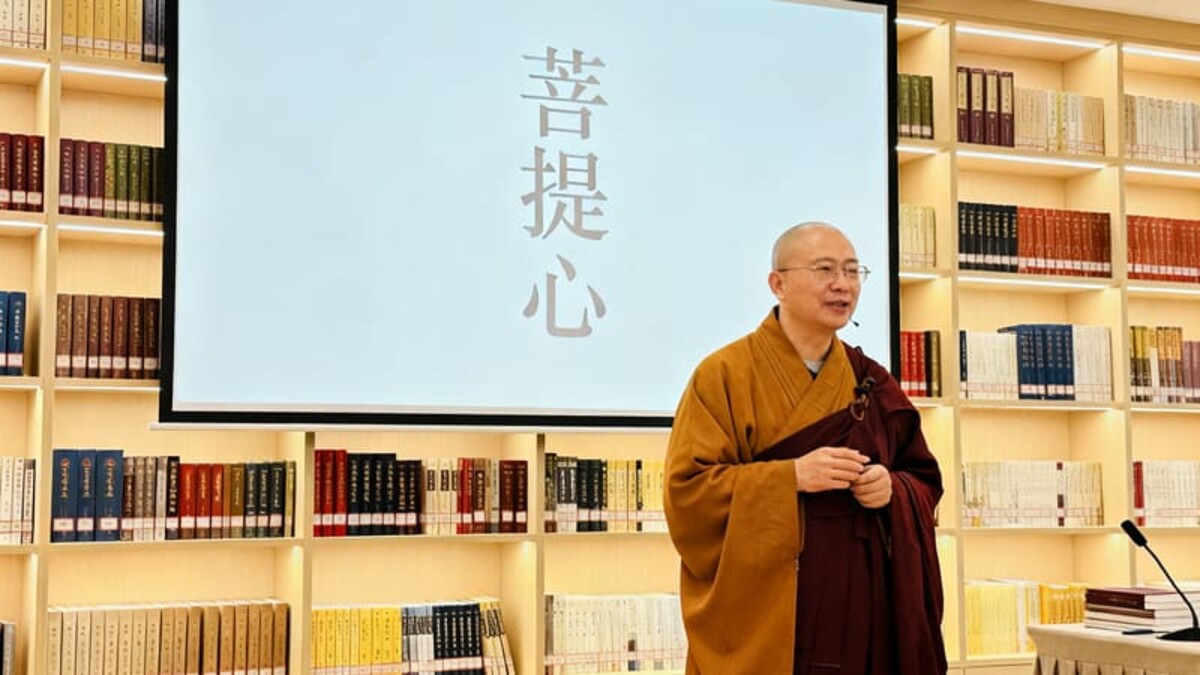
Master Ji Qun interprets the Dharma in language modern people can understand. He teaches us: Learning Buddhism is not about escaping—it is about awakening; not about gaining something, but discovering what was always there.