Who Tied You Up
This morning, while wiping my mala beads, a phrase suddenly surfaced in my mind. "Who tied you up?" Four words. Strange to say, but they floated up fr
Whatever comes to mind. Sometimes a story I read, sometimes something that came to me while holding my mala beads.

This morning, while wiping my mala beads, a phrase suddenly surfaced in my mind. "Who tied you up?" Four words. Strange to say, but they floated up fr

Behind that chubby, big-bellied, grinning Buddha at the temple entrance, there was a real person — a monk who carried a cloth bag and spent his life smiling. This is his story.

Su Dongpo thought he was enlightened and wrote a poem declaring "the eight winds cannot move me." Foyin replied with two words: "Bullshit." He immediately crossed the river to confront his friend. This ancient story feels like it's about me.

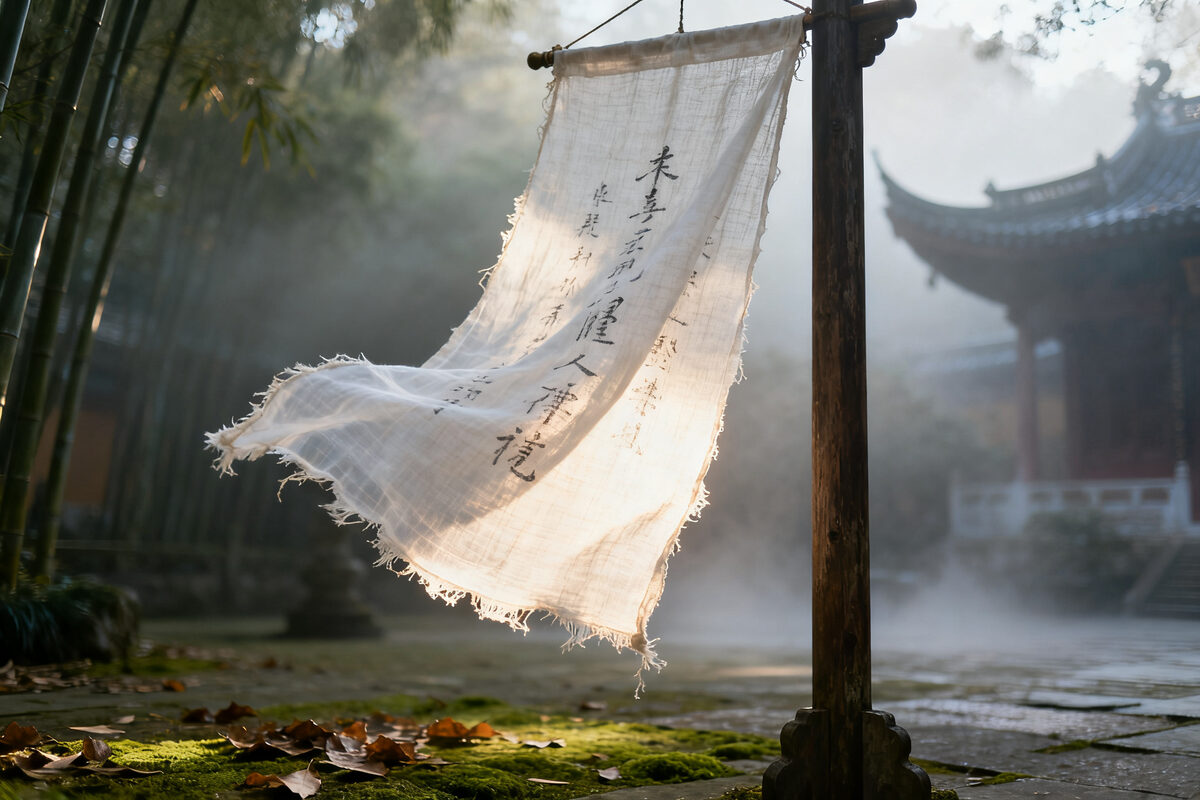
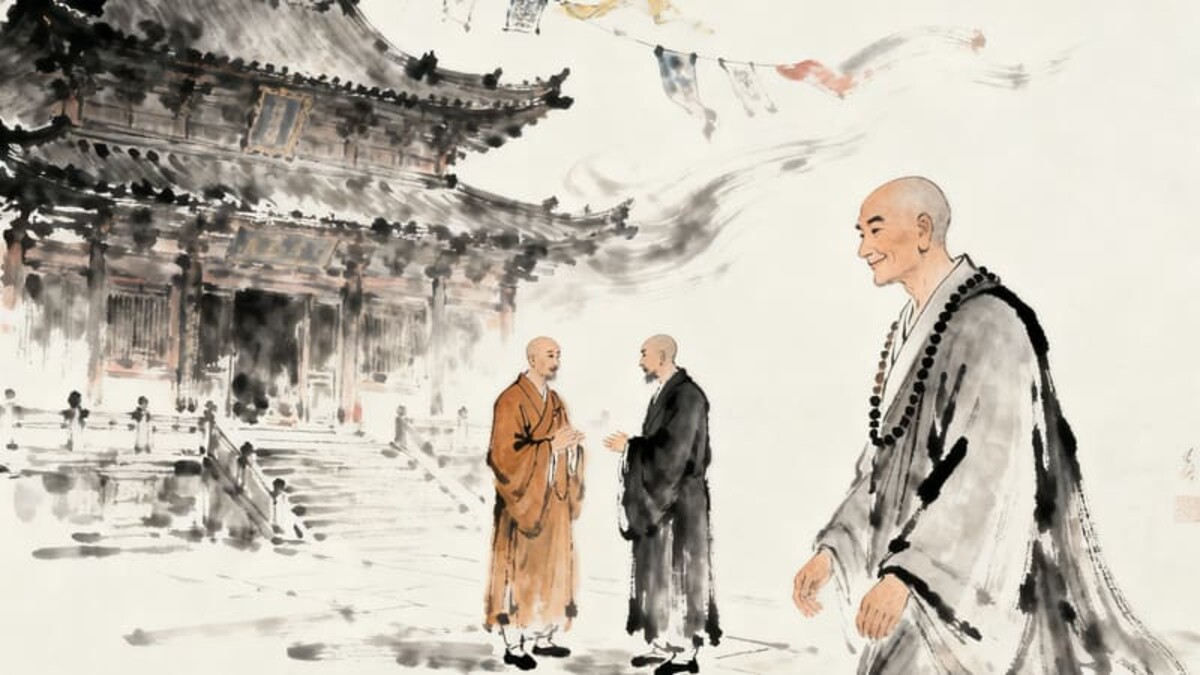
On a windy day in Guangzhou, a flag flapped outside my window. I stood there watching it and remembered a story from thirteen hundred years ago — two monks arguing about whether it was the wind or the flag that was moving. Huineng said: it's neither. It's your mind that moves. I used to think this was idealism. Now I think it's about something simpler — what makes you suffer isn't what happens outside, but how your mind responds.

The Platform Sutra is the only Chinese Buddhist text classified as a "sutra" — a distinction reserved for the Buddha's own words. Its author, Huineng, could not read. His teaching comes down to a single question: what is your "original face"?

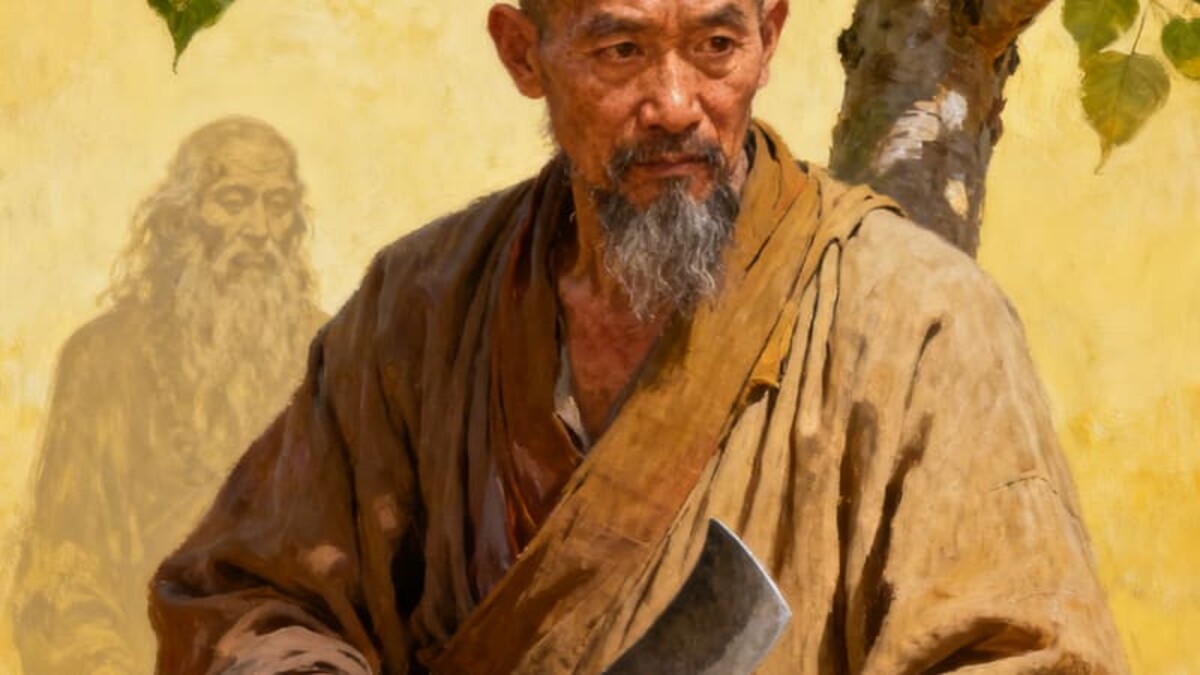
Huineng could not read a single character, yet became the greatest Zen patriarch in Chinese history. From woodcutter to Zen master, his story shows that true wisdom transcends knowledge and awakening is here and now.

Is the wind moving? Is the banner moving? Or is your mind moving? A question that has echoed through thirteen centuries, revealing our attachment to external appearances.

Fifth Patriarch Hongren asked disciples to write verses to determine his successor. Shenxiu wrote "constantly wipe and polish." Huineng wrote "originally there is nothing." Two verses, two paths, a controversy lasting over a thousand years.