Who Tied You Up
This morning, while wiping my mala beads, a phrase suddenly surfaced in my mind. "Who tied you up?" Four words. Strange to say, but they floated up fr
Whatever comes to mind. Sometimes a story I read, sometimes something that came to me while holding my mala beads.

This morning, while wiping my mala beads, a phrase suddenly surfaced in my mind. "Who tied you up?" Four words. Strange to say, but they floated up fr

Behind that chubby, big-bellied, grinning Buddha at the temple entrance, there was a real person — a monk who carried a cloth bag and spent his life smiling. This is his story.

Su Dongpo thought he was enlightened and wrote a poem declaring "the eight winds cannot move me." Foyin replied with two words: "Bullshit." He immediately crossed the river to confront his friend. This ancient story feels like it's about me.

In the Tang Dynasty winter, Zen master Danxia chopped a wooden Buddha for firewood. The abbot shook with anger, but Danxia said he was burning it to get the relics. This is not sacrilege but a question about attachment and freedom.

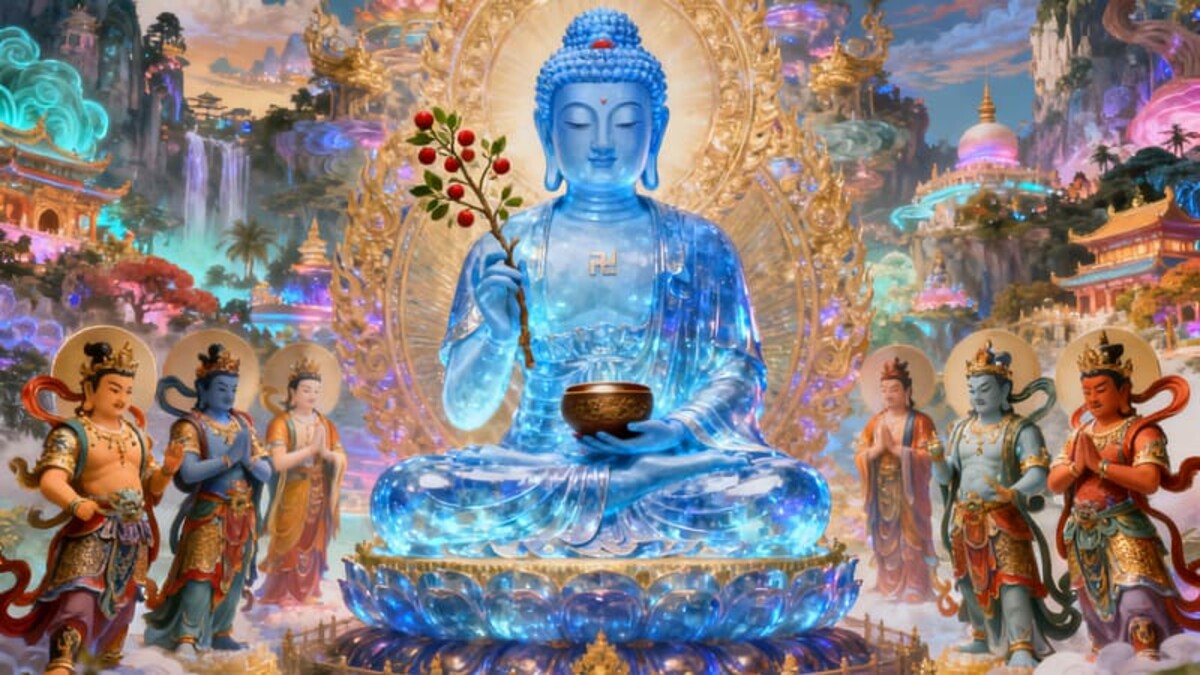
The Medicine Buddha Sutra is the Buddhist scripture closest to everyday life. His twelve great vows cover health, prosperity, safety, and freedom from worry — nearly everything people wish for. It is not a promise about the afterlife, but a blessing for this life.

Nirvana is not death or nothingness, but a state of freedom after the cessation of afflictions. This article clarifies common misconceptions, explains Nirvana with and without remainder, and how to experience Nirvana in daily life.