Who Tied You Up
This morning, while wiping my mala beads, a phrase suddenly surfaced in my mind. "Who tied you up?" Four words. Strange to say, but they floated up fr
Whatever comes to mind. Sometimes a story I read, sometimes something that came to me while holding my mala beads.

This morning, while wiping my mala beads, a phrase suddenly surfaced in my mind. "Who tied you up?" Four words. Strange to say, but they floated up fr

Behind that chubby, big-bellied, grinning Buddha at the temple entrance, there was a real person — a monk who carried a cloth bag and spent his life smiling. This is his story.

Su Dongpo thought he was enlightened and wrote a poem declaring "the eight winds cannot move me." Foyin replied with two words: "Bullshit." He immediately crossed the river to confront his friend. This ancient story feels like it's about me.

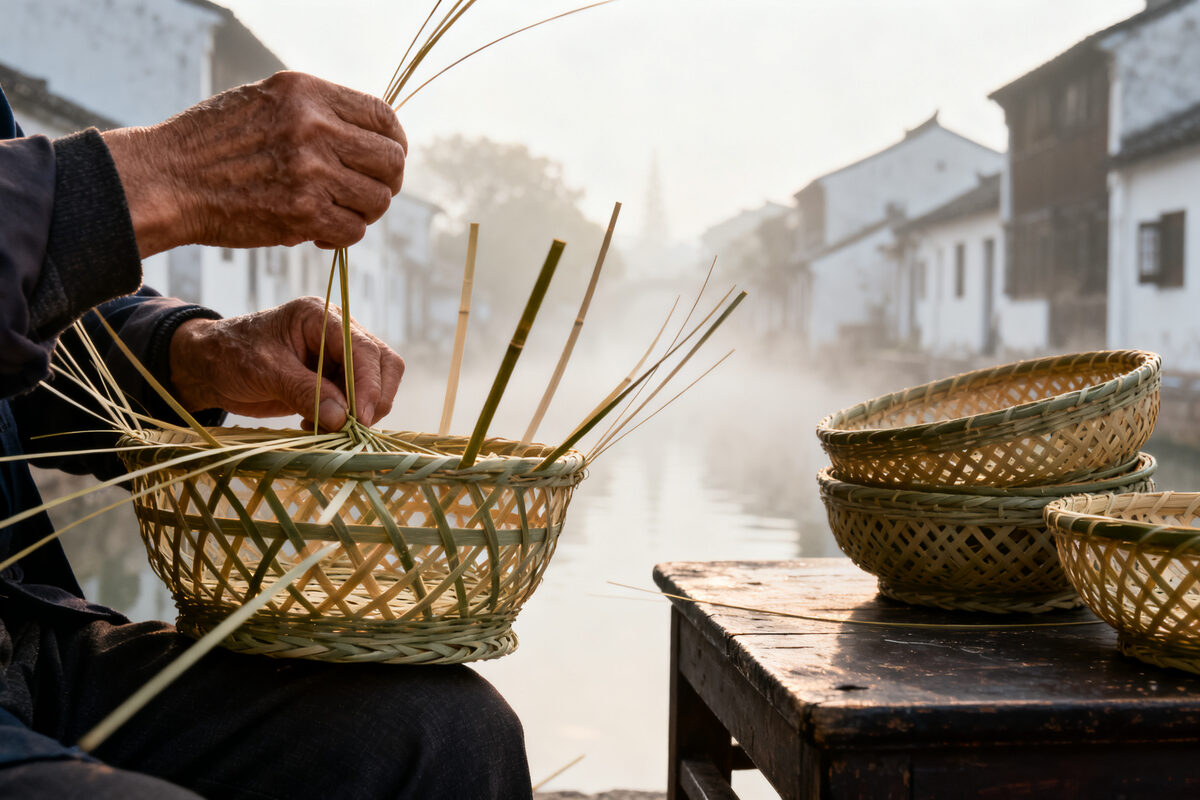
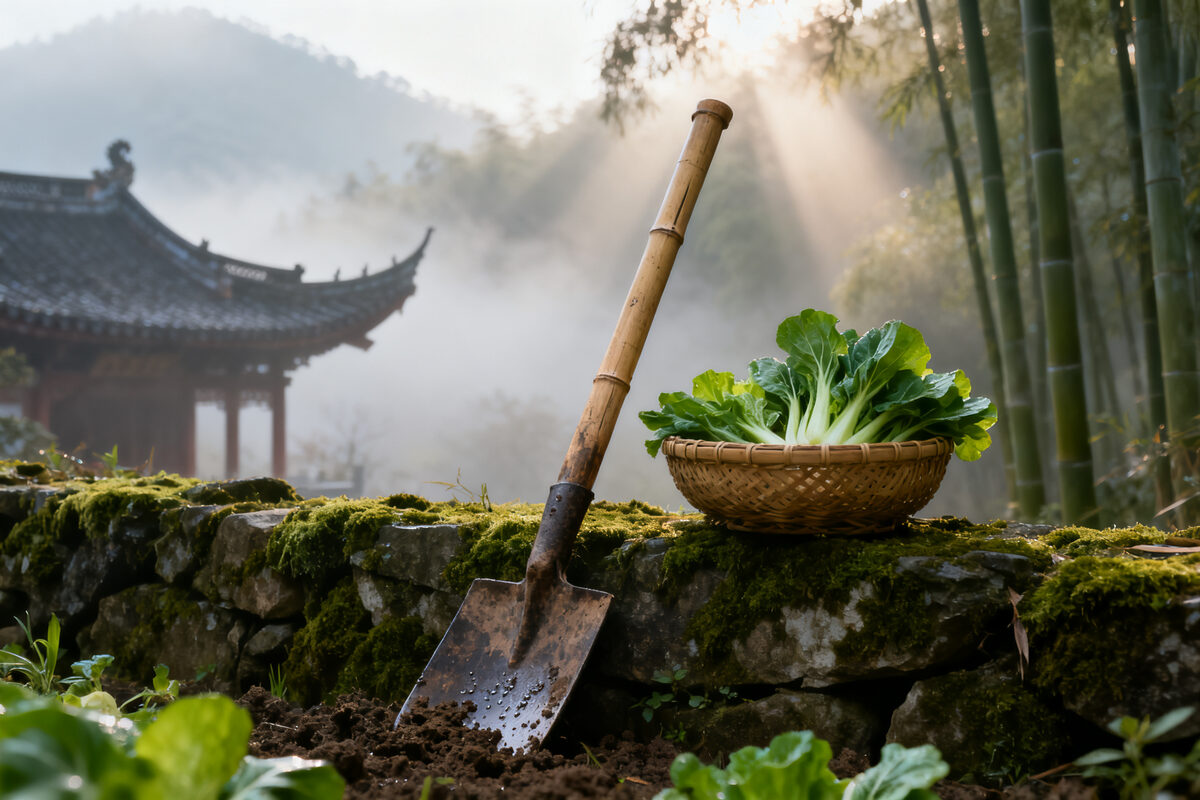
Pang was a lay practitioner in the Tang Dynasty who sank his fortune into the river and lived by weaving bamboo baskets. His daughter Lingzhao said: When hungry, eat. When tired, sleep. That is practice.

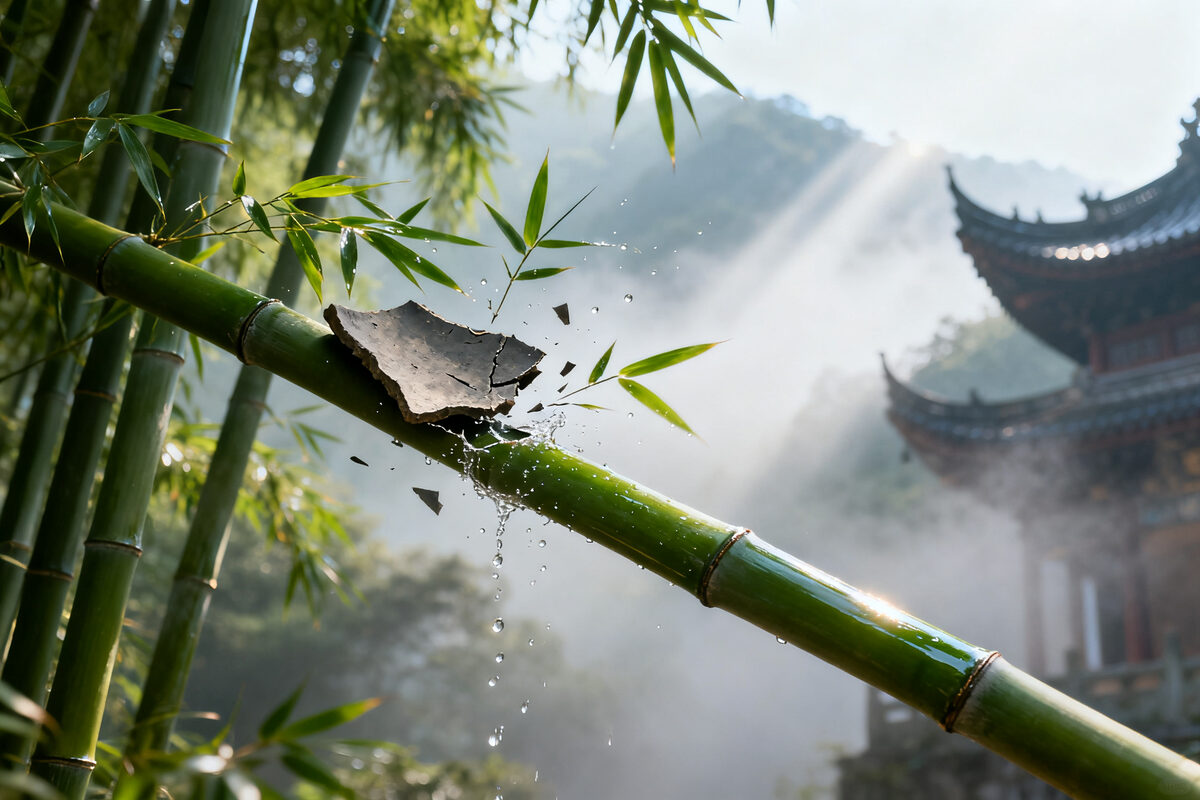
This morning I was sweeping the courtyard when the sound of the bamboo broom made me stop. Then I remembered the story of Xiangyan — a monk who had read countless sutras but only understood everything when he heard a piece of tile strike bamboo. Maybe practice doesn't need grand narratives. Just one ordinary sound, one moment of quiet.

During the Tang Dynasty, an old monk named Huaihai lived on Baizhang Mountain. Every day he worked alongside younger monks. When his disciples hid his tools, he refused to eat. This story has been passed down for over a thousand years.

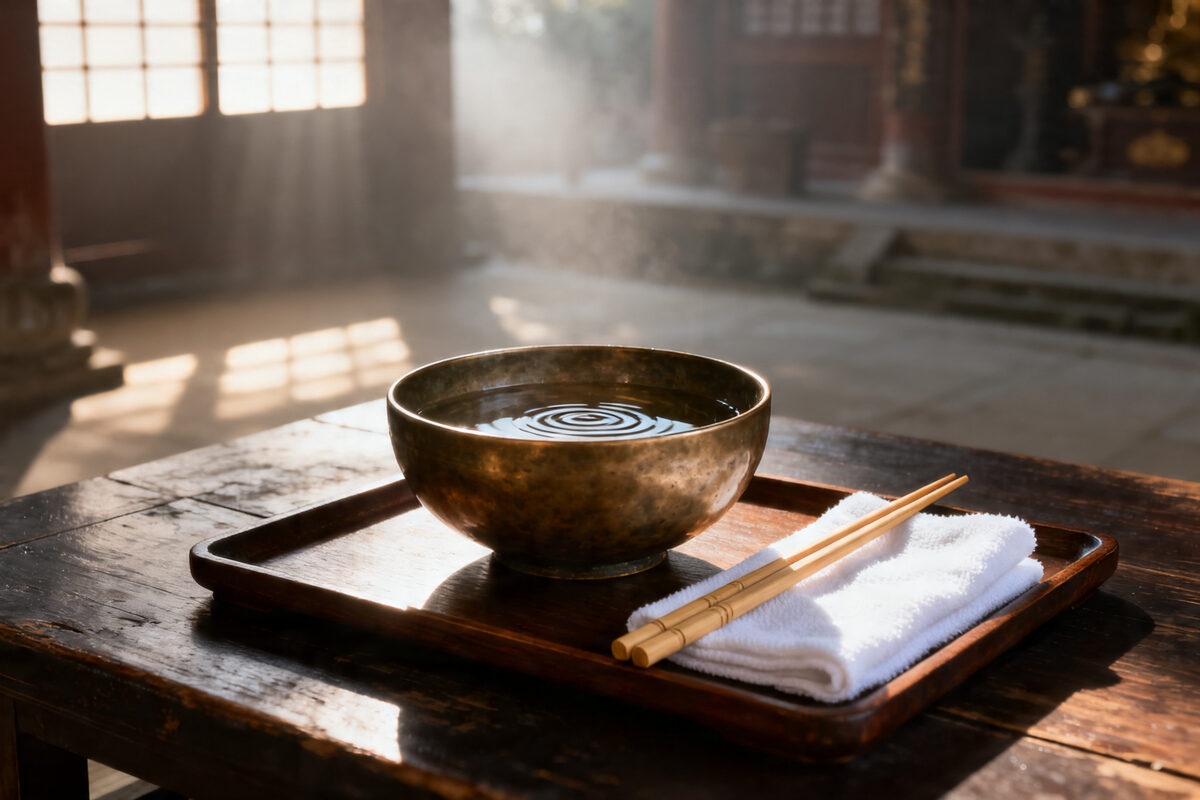
A young monk asked Zhaozhou how to practice. Zhaozhou simply said, "Go wash your bowl." One bowl of porridge, one alms bowl, one simple phrase — why did it bring sudden awakening? A deep exploration of this Zen koan's three layers of meaning.

Through the story of a traveler and a bamboo raft, the Buddha revealed the ultimate wisdom of practice—the Dharma is like a raft: after crossing the river, you need not carry it.

The Noble Eightfold Path is the Buddha's prescription for liberation, consisting of eight dimensions across wisdom, ethics, and concentration. This article explains each aspect and how to practice them in modern life.

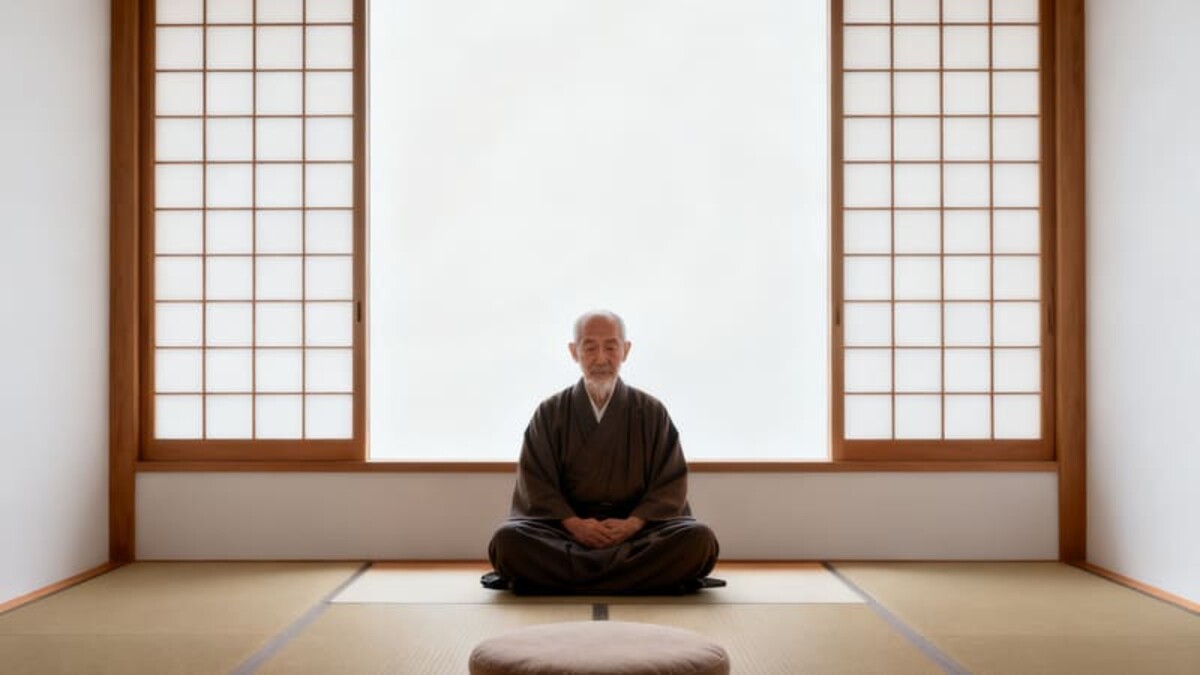
Dogen Zenji returned from China to Japan with a single teaching: Just sit. No seeking enlightenment, no seeking Buddhahood. Just sitting. This is the entirety of practice.


# Meditation for Beginners: A Complete Guide to Starting Your Practice > "Meditation is not about emptying the mind, but learning to make peace with your thoughts." In our fast-paced modern world,

Thich Nhat Hanh brought Zen practice to the West, teaching mindfulness in the simplest ways. He showed us: every moment can be meditation, every step can lead to peace.

Master Xuyun restored six major temples in his lifetime, spanning four dynasties. He taught us: Practice is not in form but in sincerity; not in words but in action.

Master Jing Kong's teachings: how to integrate Buddhism into daily life, how to practice Pure Land, and how to find true liberation in the world.