Chushu: Summer Doesn't End — It Stops
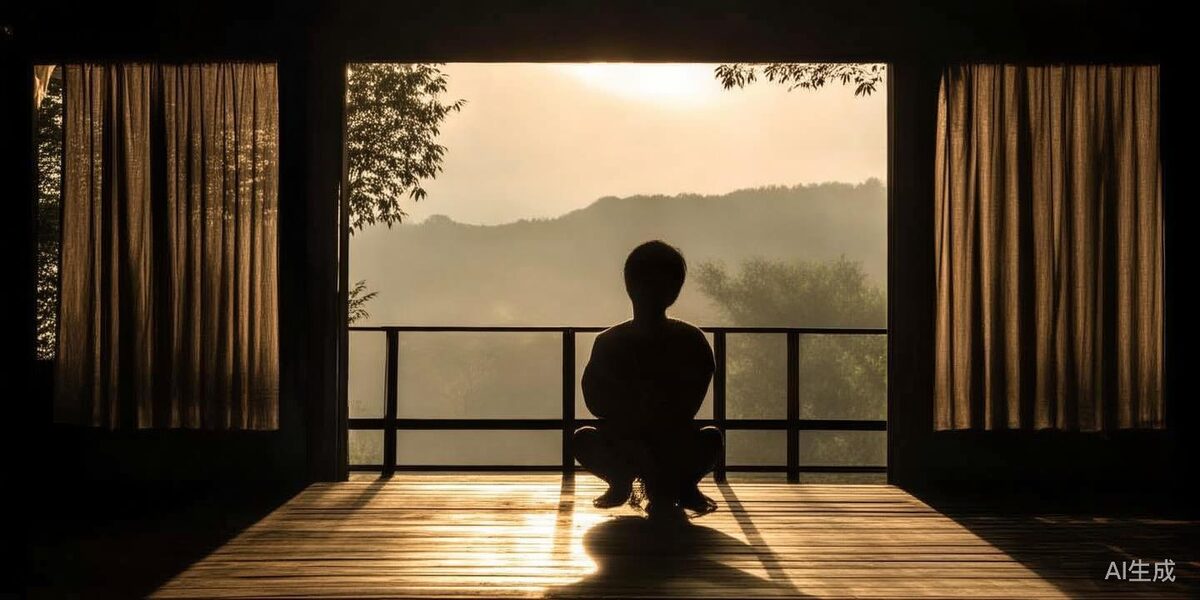
The cicadas went quiet, and the calendar said Chushu, the solar term where heat ''comes to rest.'' An old tai chi master by the river once told me: heaven and earth stop first; whether you follow is your own business. A soup that takes an hour to cook might be how an ordinary person catches up with the season.
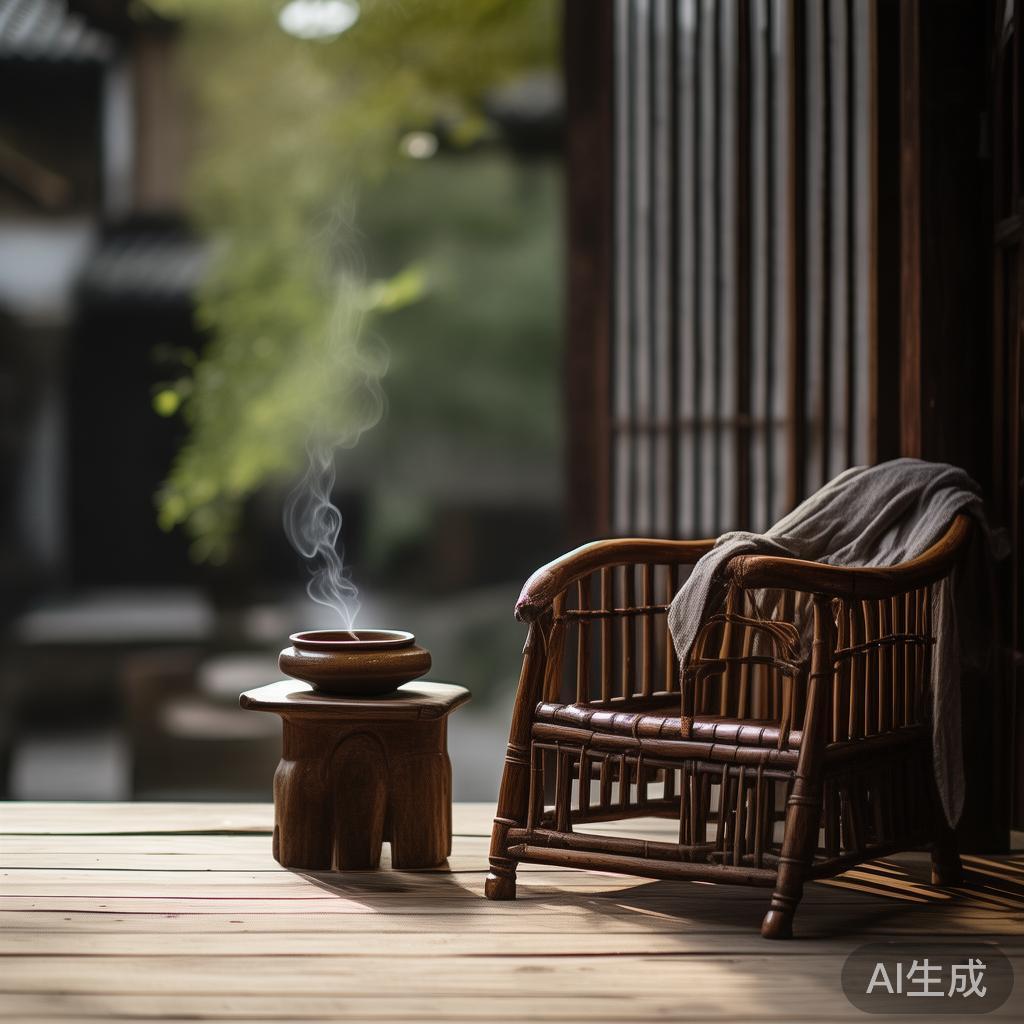
This afternoon around three, I sat on the balcony for a while and noticed something: the cicadas had stopped.
Just a few days ago they were everywhere — that dense, tireless sound, like background music composed for summer. Today, gone. In their place, a bird I couldn''t name, calling twice, pausing, calling twice more. The gaps between the calls suddenly felt enormous.
I checked the calendar. Yesterday was Chushu.
I''d never really thought about the name. I assumed it meant "still in the heat" — just another level of hot, lined up after Xiaoshu and Dashu. Then a couple of days ago I looked it up and realized I had it backwards. The character "chu" here means "to stop." Chushu is where the heat ends. Not the hottest days of summer, but the days when summer starts to leave the stage.
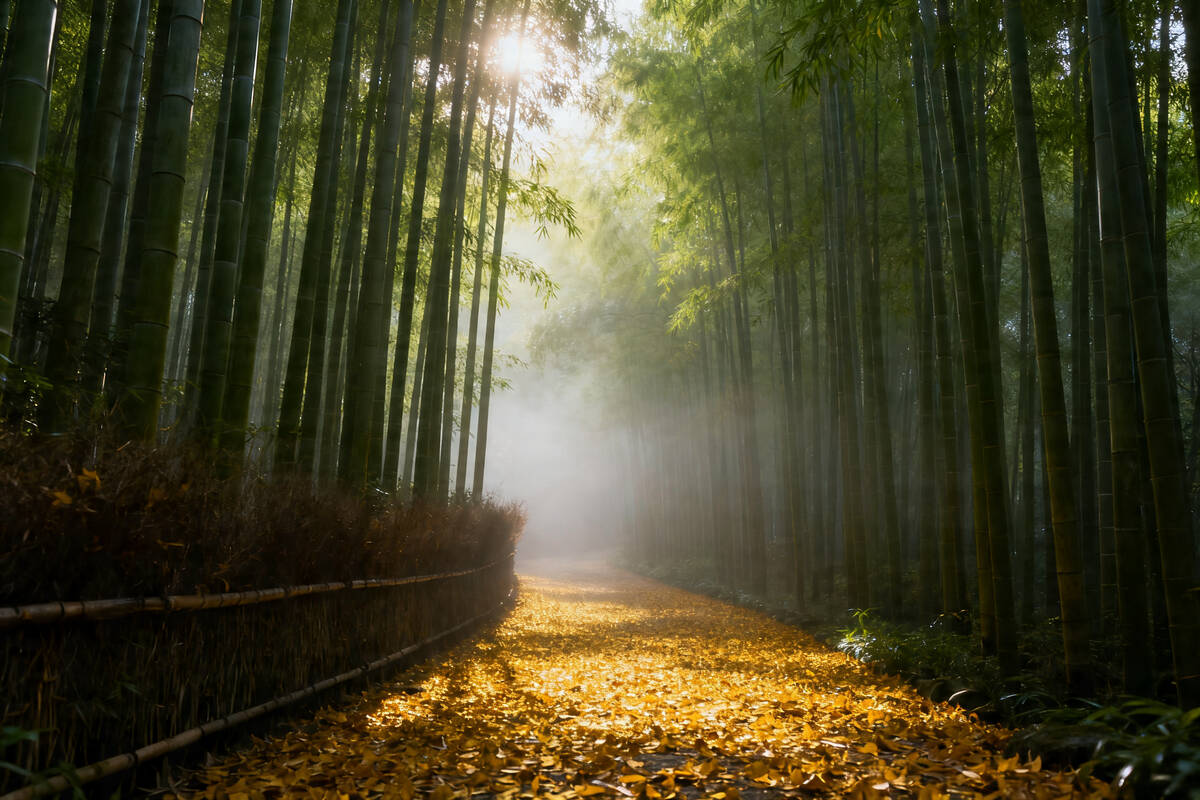
The old Chinese records describe this solar term in three phases. First, hawks begin to hunt in earnest, laying out their catch almost like an offering. Second, "heaven and earth begin to grow solemn" — plants stop pushing upward, and something gathered, something restrained, enters the wind. Third, the grain ripens.
The phrase that held me longest was "heaven and earth begin to grow solemn."
Solemn isn''t bleak. It''s drawing in. The world quietly takes back all the loud, restless, outward energy of summer. The leaves are still green, but the green has stopped straining. The wind is still wind, but it has lost its shove and gained a thread of coolness.
Let me tell you something about myself.
In early August I took a few days off. Or rather, I relocated my anxiety to a nicer address. During the day I walked by the lake with my family, phone in my pocket, checking it every twenty minutes. Nothing in the work group needed me. But I was afraid something would. At night, after our daughter fell asleep, I sat on the terrace in the most comfortable breeze of my life, mentally reviewing next week''s schedule.
One evening the wind was especially good, and my wife said, feel this wind. I said "mm." Two minutes later she said, you''re not feeling it at all. You''re thinking about work.
She wasn''t wrong.
Years ago, I used to see an old man practicing tai chi by the river. Summer evenings, always in the same spot, moving as slowly as grass underwater. One day I was waiting for a friend with nothing to do, so I watched him. When he finished and sat down on the steps with his water bottle, I somehow found the nerve to make small talk — something brilliant like "hot today, isn''t it."
He said, Chushu is coming.
I said, it''ll stay hot even after Chushu. The autumn tiger is fierce.
He took a sip of water and said something I''ve remembered ever since: "It isn''t that summer is ending. It''s that heaven and earth have stopped first. Whether you follow — that''s your own business."
I didn''t really understand then. I do a little now.
When the world reaches this point in its turning, it slows itself down, gathers itself in. The grain ripens now — and ripening is itself a kind of stopping. No more growing. Enough. It can bow its head now. But people don''t have solar terms. A person''s summer can go on forever. Our calendars run January to December, packed as dense as cicadas in August, with no gaps in between.
So the second half of what the old man said is actually quite ruthless: heaven and earth have stopped. Will you?
Last month, I started trying to follow.
My method is embarrassingly simple: twenty minutes a day of doing nothing. Not "doing nothing" the way scrolling your phone is doing nothing — actually nothing. At first it was unbearable. I fidgeted, convinced that somewhere in those twenty minutes a more important thing was waiting to be worried about. My hand kept reaching for my phone, so I started leaving it in another room, and then my hand didn''t know where to live.
There''s another thing that comes after Chushu — Chinese medicine calls it "autumn fatigue." You burn through so much in summer that the moment it cools down, you get sleepy. Not lazy. The body is settling a debt. Every September and October I used to blame myself — how useless am I, still tired after eight hours of sleep. Then I learned this term and felt suddenly absolved: the sleepiness is normal. The body has reached its season of collecting what it''s owed. Letting yourself be tired is more dignified than forcing yourself bright-eyed.
After about two weeks, one day, inside those twenty minutes, I suddenly heard the wind in the courtyard downstairs. It''s not that the wind had arrived. The wind had been there all along. I just hadn''t been listening.
My mother''s way is gentler than mine. She doesn''t schedule "twenty minutes of nothing." She just starts, right after Chushu, making a certain soup: lily bulbs, white fungus, a little rock sugar, simmered slowly. One bowl for each of us after dinner. All the sweat you spent and the nights you stayed up in summer, she says — autumn takes them back, gently. This moistens you again.
While she''s at it, she has some sharp words for "putting on autumn fat" — the custom of eating extra meat after the start of autumn to build yourself back up. People used to do real labor in the fields all summer, she says; they lost actual flesh, and autumn gave it back. People now spend summer in air-conditioned rooms. What they''re losing isn''t flesh — it''s their temper and their sleep. Forget the meat. Sleep first. I think she explains it better than most wellness articles.
I looked it up. Lily bulb and white fungus are both considered moistening in Chinese medicine, right for the dryness of autumn. But I prefer the other explanation: a soup that takes an hour to cook is itself a form of slowness. You cannot hurry it. It quietly forces the whole household into an evening rhythm of waiting. The pot murmurs — a small sound, but you can hear it in every room.
Summer pours outward — sweat, late nights, loud voices, constant motion. Autumn draws back in. That''s the whole idea running through Chinese things: punch and pull, speech and silence. A fist only strikes if it can withdraw; words only carry weight if you can hold them back. A person who only pours outward, endlessly, comes apart.
After Chushu, there are small things you can do. Sleep a little earlier than you did in summer — nothing dramatic, just stop staying up. Eat a little warmer; go easy on the ice. Speak a little slower. And when a thought arises, allow yourself to pause with it — not every thought has to be chased to its end.
None of it is grand. Solar terms were never meant for grand gestures. Every fifteen days, one of them taps you lightly on the shoulder: look — the rhythm of the world has shifted. Check on yourself.
Yesterday evening I sat on the balcony again. The bird was still calling. Twice, a pause, twice. And it struck me that it lives better than I do. It calls, then stops, and rests inside the gap without a trace of panic.
Summer took away its cicadas, and it didn''t go looking for another sound to fill the silence.
It just let it stay empty.
Three questions, for you and for me:
-
When was the last time you were truly, quietly doing nothing? Longer than ten minutes, I mean.
-
If tomorrow you had twenty minutes a day where the world stopped and so did you — what would be the first thing you couldn''t put down?
-
Is there a soup in your home that has to be cooked slowly?