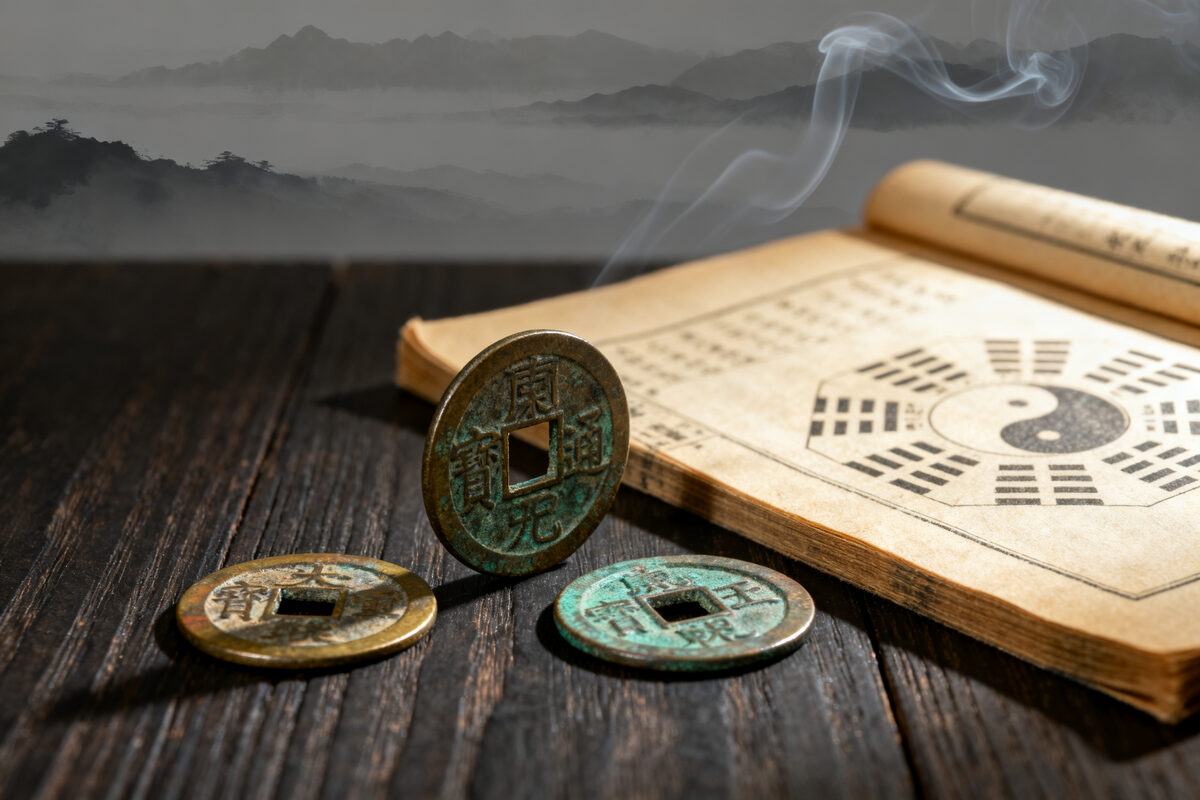
The Ksitigarbha Sutra: The "Warmest" Buddhist Scripture and Why It Resonates So Deeply
The Ksitigarbha Bodhisattva Sutra is perhaps the most moving text in all of Buddhism. His vow — "I will not become a Buddha until all hells are empty" — represents the deepest compassion imaginable. It is not only about death and the afterlife; it is wisdom about how to live, how to love, and how to never give up.
The Ksitigarbha Sutra: The "Warmest" Buddhist Scripture and Why It Resonates So Deeply
Editor's Note
If you had to choose the most "Chinese" of all Buddhist sutras, it would be the Ksitigarbha Bodhisattva Sutra.
Chinese culture values filial piety, honoring ancestors, and remembering one's roots — and these cultural values find their perfect echo in this text.
But the Ksitigarbha Sutra's value goes far beyond that.
In its pages, you encounter a vow that brings tears to your eyes: "I will not become a Buddha until all hells are empty. I will not attain awakening until all beings are saved."
This spirit is not reserved for lofty saints. It is the softest part of every human heart — the reluctance to let go of those you love, the inability to ignore those who suffer.
I. Who Is Ksitigarbha Bodhisattva
The name "Ksitigarbha" (地藏, Earth Store) carries deep meaning:
- Earth — the ground. Bearing all things, nourishing everything, never complaining
- Store — treasure. Containing limitless roots of goodness and wisdom
Together: embracing everything like the earth, containing every goodness like a treasure.
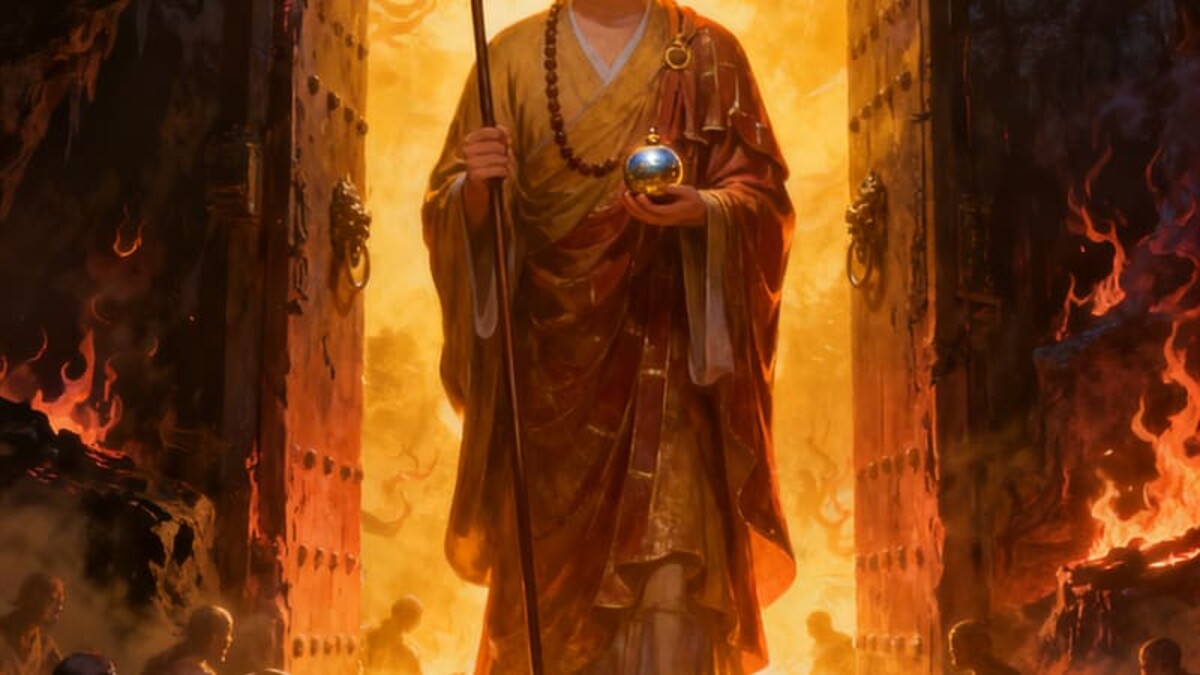
Ksitigarbha is typically depicted as a monk holding a staff, wearing simple robes. Unlike the ornate Avalokiteshvara or the majestic Manjushri, Ksitigarbha appears plain — like an ordinary practitioner.
This is precisely his symbolism: he does not pursue his own splendor or liberation. Instead, he descends into the most painful place — the hells — to rescue those who suffer.
II. Core Stories of the Sutra
The sutra reveals, through the Buddha's narration, how Ksitigarbha made great vows to save sentient beings across countless past lifetimes.
Story One: The Brahmin Woman Who Saved Her Mother
Long ago, a Brahmin woman's mother did not believe in karma and, after death, fell into the hells.
The daughter was devastated. She sold all her possessions, made offerings to the Buddha, and wept and prayed day and night.
Her sincerity moved the Buddha's blessing. In a meditative vision, she saw the hells — countless beings in agony. She also saw her mother, who, through the merit of the daughter's devotion, had already been freed.
But seeing so many still suffering, the Brahmin woman made a great vow:
"I vow that throughout all future eons, in whatever world has suffering, I will establish every means to deliver sentient beings from pain."
Story Two: Bright Eyes Saves Her Mother
In another story, a woman named Bright Eyes learned that her mother had been reborn as a snake with only thirteen years to live.
Heartbroken, she prayed before the Buddha with fierce determination:
"For hundreds of thousands of millions of eons to come, in whatever worlds have hells and the three evil realms, I vow to rescue all suffering beings and free them. Only when all these beings have become Buddhas will I myself attain enlightenment."
All suffering beings must become Buddhas before she does.
This is the famous vow: "I will not become a Buddha until all hells are empty."
III. Why This Sutra Has Moved Countless People
1. Filial Piety — Where Buddhism Meets Chinese Culture
Both core stories are about a daughter saving her mother.
This is no accident. When Buddhism entered China, it clashed with Confucian values. Monks who renounced family seemed to violate filial piety.
The Ksitigarbha Sutra answered this beautifully through its "saving the mother" narratives: true filial piety is not just providing for your parents in this life — it is helping them find ultimate liberation from the cycle of suffering.
This answer convinced the Chinese.
2. The Great Vow — Power Available to Ordinary People
"I will not become a Buddha until all hells are empty" sounds impossibly lofty. But its spirit is universally understood:
"As long as someone I love is suffering, I will not give up."
Is this not a mother's devotion to her child? A friend's loyalty to a friend?
Ksitigarbha's great vow is not only for saints. It is the most basic human emotion — loving someone too much to let go.
3. Karma — Not a Threat, but a Reminder
The sutra contains extensive descriptions of hells and karmic retribution. Many find it frightening.
But viewed differently:
Karma is not a punishment system. It is a natural law.
Like gravity — jumping from a height causes injury not because gravity is punishing you, but because gravity operates objectively.
Karma works the same way: your actions produce corresponding consequences. This is not a threat — it is a reminder that everything you do matters. Good actions plant good seeds; harmful actions create painful results.
IV. Daily Wisdom from the Ksitigarbha Sutra
1. Cherish Those Before You
Every story in the sutra says the same thing: do not wait until someone is gone to realize their value.
The Brahmin woman and Bright Eyes both began their desperate practice only after their mothers had died. Their devotion is touching, but their regret is equally clear.
Love the people around you while they are here. This is more powerful than any memorial ceremony.
2. No Good Deed Is Too Small
The sutra repeatedly emphasizes that even the smallest acts of goodness — one kind thought, one act of generosity, one recitation of the Buddha's name — have inconceivable power.
"Even a hair, a speck of dust, a grain of sand, a drop of water — all such benefits come from your great compassionate vow."
Do not think small things do not matter. Every act of kindness plants a seed in your life.
3. Make Your Own Vow
Ksitigarbha has a great vow. You do not need one so vast, but you can make a personal one:
- "I vow to be a kind person"
- "I vow to make someone smile every day"
- "I vow to help when I see someone in need"
A vow is a direction. With direction, every day's actions gain meaning.
V. Ksitigarbha Practice in Modern Life
1. Reciting the Sutra for the Departed — A Healthy Way to Grieve
In Chinese tradition, reciting the Ksitigarbha Sutra for the deceased is common practice.
Psychologically, this is a remarkably healthy form of grieving — transforming sorrow into a meritorious act for the one you have lost.
Your grief does not go to waste. It becomes a blessing for another.
2. Wearing a Ksitigarbha Amulet
Many people carry a Ksitigarbha image or amulet. This is not superstition — it is a reminder to stay kind, to honor those you love, to never give up.
Every time you see it, you remember: I want to be someone worth loving.
3. The Spirit of Ksitigarbha — Never Giving Up
In an age where people increasingly "give up" — on relationships, on ideals, on themselves — Ksitigarbha's spirit is especially precious:
Do not give up. Do not abandon. Even in the darkest place, someone is willing to wait for you.
A Final Thought
The Ksitigarbha Sutra is the most "down-to-earth" of all Buddhist texts.
It does not expound esoteric emptiness or mystical Zen. It speaks of one thing only: love.
A daughter's love for her mother. A bodhisattva's love for all beings. An ordinary person's goodwill toward the world.
This love requires no understanding of Buddhist philosophy, no meditation practice. You only need to be kind, cherish those around you, and never give up hope.
As Ksitigarbha said:
"I will, throughout all future eons, establish every means to liberate all suffering beings of the six realms, and only then will I myself attain Buddhahood."
I will always be here.
Until no one suffers anymore.
Yi Yi Ru Shi · Eastern Aesthetics · Instruments for the Soul
Explore more Eastern wisdom through our amulet collection — each piece a guardian that never leaves your side.