The Man on the Snow Mountain Who Gave Everything for Half a Verse
A man searched his whole life on a snow mountain for one true sentence. He finally heard half of it. The price for the other half was his life. He didn't hesitate.
Whatever comes to mind. Sometimes a story I read, sometimes something that came to me while holding my mala beads.

A man searched his whole life on a snow mountain for one true sentence. He finally heard half of it. The price for the other half was his life. He didn't hesitate.

Behind that chubby, big-bellied, grinning Buddha at the temple entrance, there was a real person — a monk who carried a cloth bag and spent his life smiling. This is his story.

The Buddha told a story about a blind turtle at the bottom of a vast ocean, surfacing once every hundred years, trying to put its head through a hole in a randomly drifting piece of wood. That probability, he said, is how rare it is to obtain a human life. This story has stayed with me — about cherishing, about possibility, about still surfacing when you can't see the way.

The most famous parable from the Lotus Sutra—a burning mansion, children oblivious to danger, and a father who uses skillful means to save them. This 2,500-year-old story reveals the nature of our delusion in the Three Realms and the path toward liberation.

The story of Angulimala — a murderer who killed 999 people, yet was transformed by a single sentence from the Buddha and attained arhatship. Buddhism's most dramatic story of transformation.

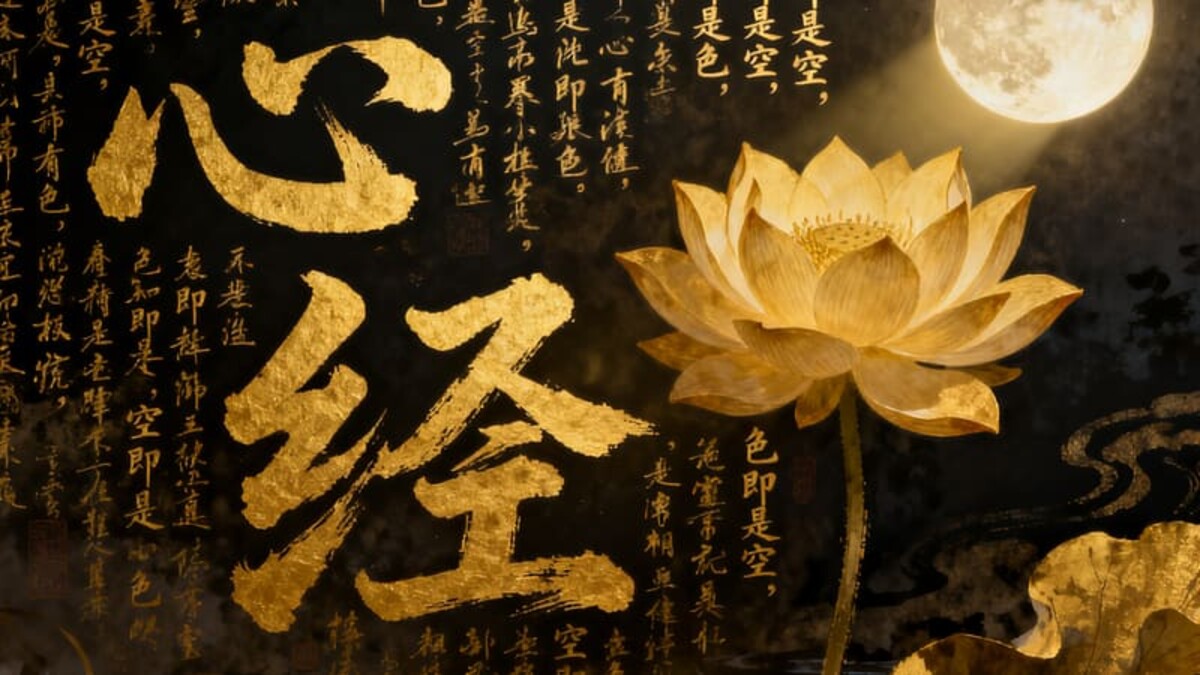
The Heart Sutra contains only 260 characters yet condenses the complete essence of Buddhist wisdom. This article interprets the sutra line by line and explores how to apply its wisdom in daily life.

The Three Jewels — Buddha, Dharma, and Sangha — are the most fundamental concept in Buddhism. This article explains their meaning and relevance for modern life.

The Noble Eightfold Path is the Buddha's prescription for liberation, consisting of eight dimensions across wisdom, ethics, and concentration. This article explains each aspect and how to practice them in modern life.

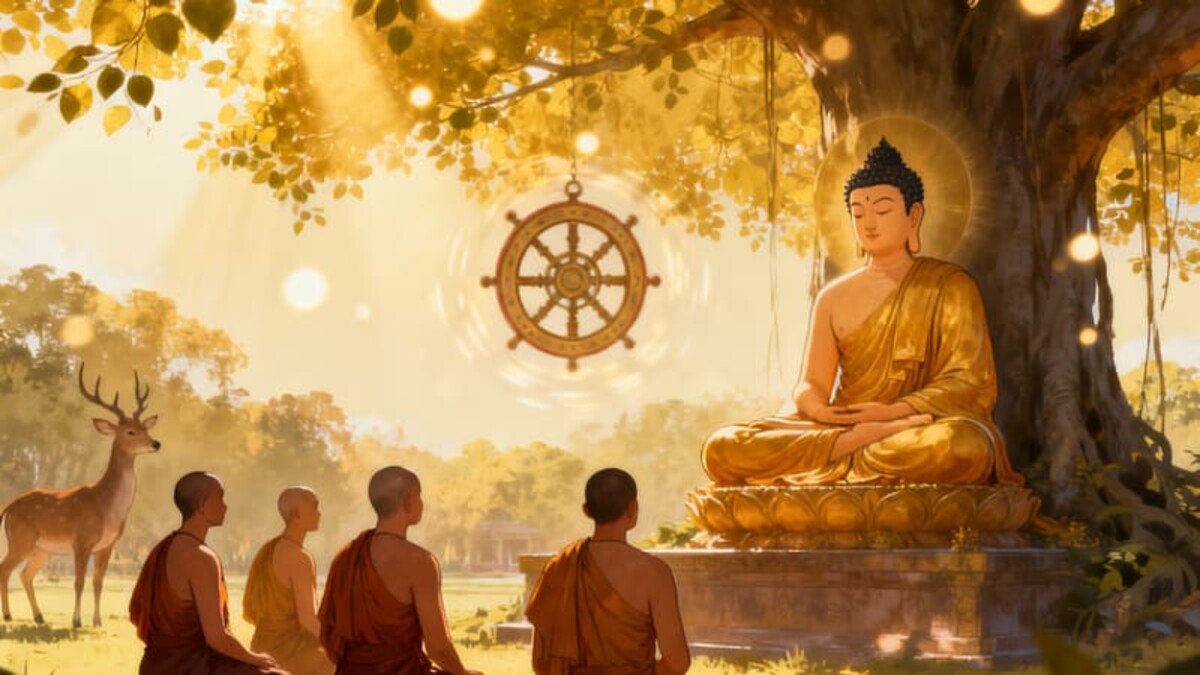
The Four Noble Truths are the Buddha's first teaching after enlightenment, containing the truths of suffering, its origin, its cessation, and the path. This article explains these foundational teachings and their relevance to modern life.

Karma is not fatalism but a natural law about actions and consequences. This article clarifies common misconceptions, explores the relationship between karma and free will, and how to apply this wisdom in daily life.

Nirvana is not death or nothingness, but a state of freedom after the cessation of afflictions. This article clarifies common misconceptions, explains Nirvana with and without remainder, and how to experience Nirvana in daily life.

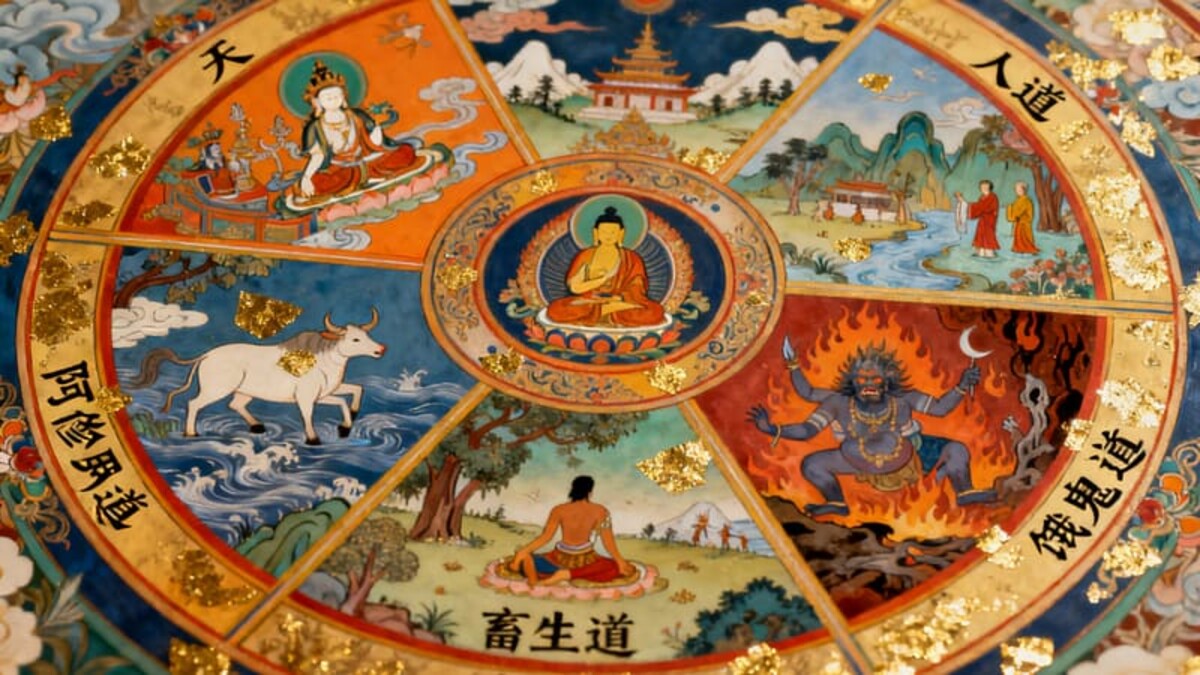
The Six Realms are not just destinations after death but metaphors for six psychological states. This article interprets the realms symbolically and psychologically, exploring how to recognize and transcend cyclic existence in daily life.