The Man Who Was Always Laughing: The Story of Budai Monk
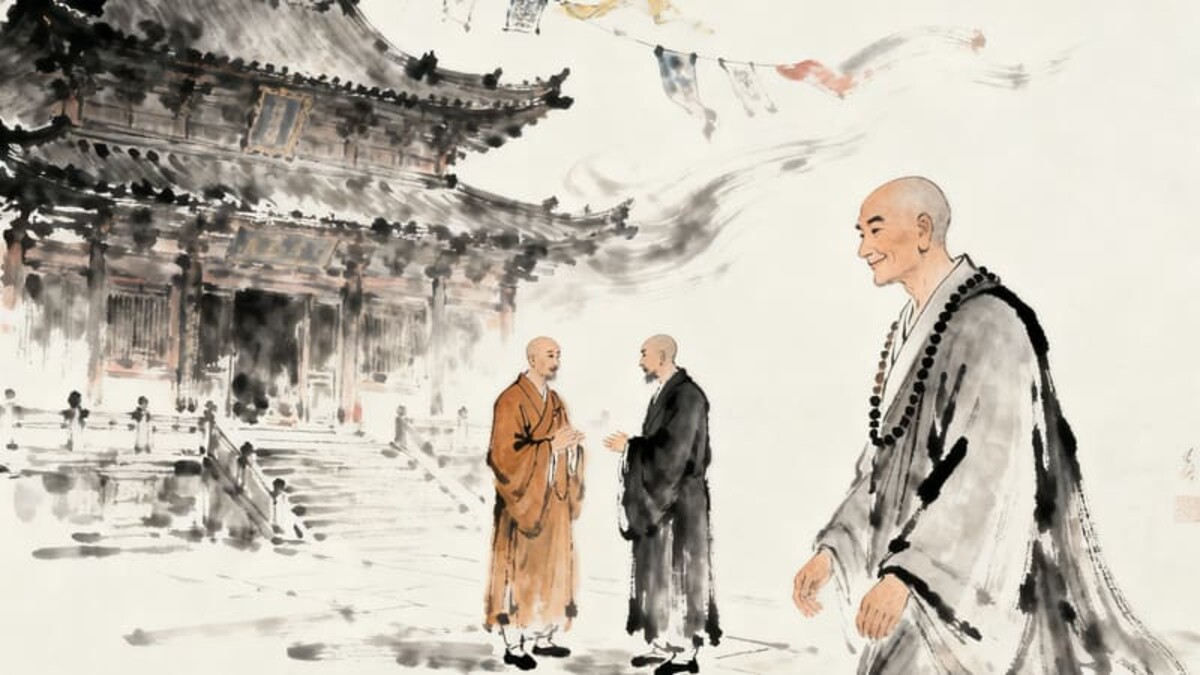
Behind that chubby, big-bellied, grinning Buddha at the temple entrance, there was a real person — a monk who carried a cloth bag and spent his life smiling. This is his story.
Whatever comes to mind. Sometimes a story I read, sometimes something that came to me while holding my mala beads.

Behind that chubby, big-bellied, grinning Buddha at the temple entrance, there was a real person — a monk who carried a cloth bag and spent his life smiling. This is his story.

Su Dongpo thought he was enlightened and wrote a poem declaring "the eight winds cannot move me." Foyin replied with two words: "Bullshit." He immediately crossed the river to confront his friend. This ancient story feels like it's about me.

The Buddha starved for six years in the forest and nearly died. What pulled him back wasn't some profound truth — it was an ordinary woman's kindness and a bowl of hot porridge. Sujata wasn't a practitioner or a noblewoman, just a village woman by the river who handed him a bowl of milk rice.

In the Tang Dynasty winter, Zen master Danxia chopped a wooden Buddha for firewood. The abbot shook with anger, but Danxia said he was burning it to get the relics. This is not sacrilege but a question about attachment and freedom.

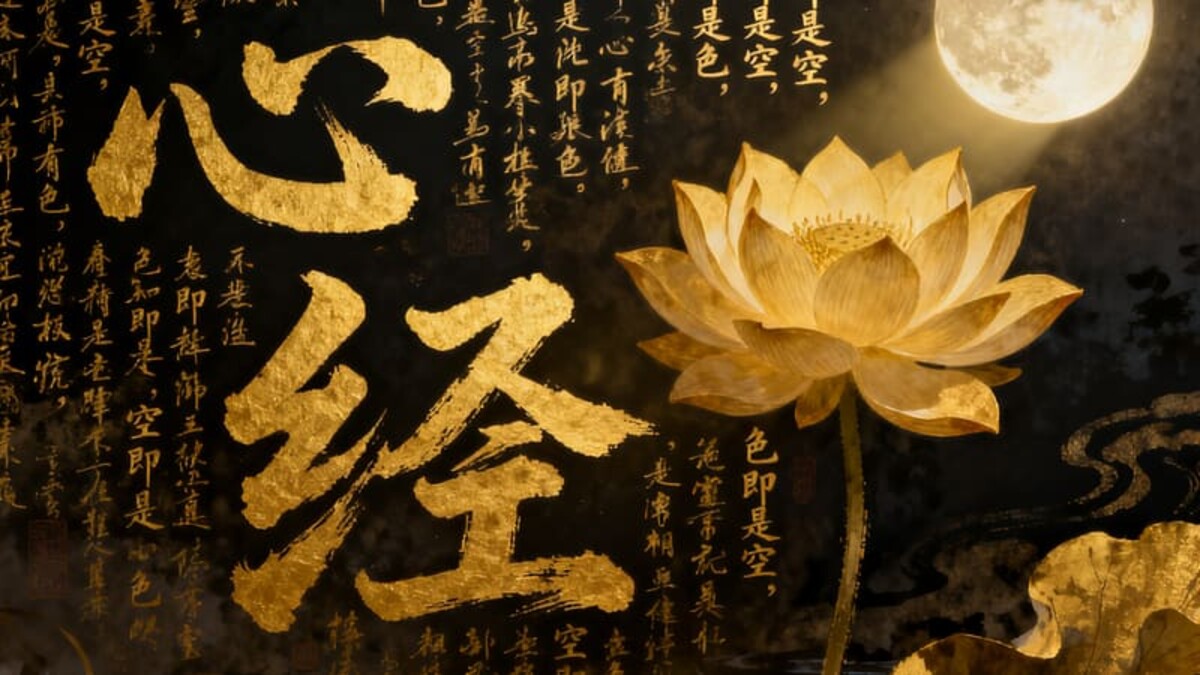
The Heart Sutra is only 260 characters long, yet it is the most widely recited Buddhist text in the world. It is not mysticism — it is a mirror, reflecting the truth about your attachments, anxieties, and the illusion of a fixed self.

Is the wind moving? Is the banner moving? Or is your mind moving? A question that has echoed through thirteen centuries, revealing our attachment to external appearances.

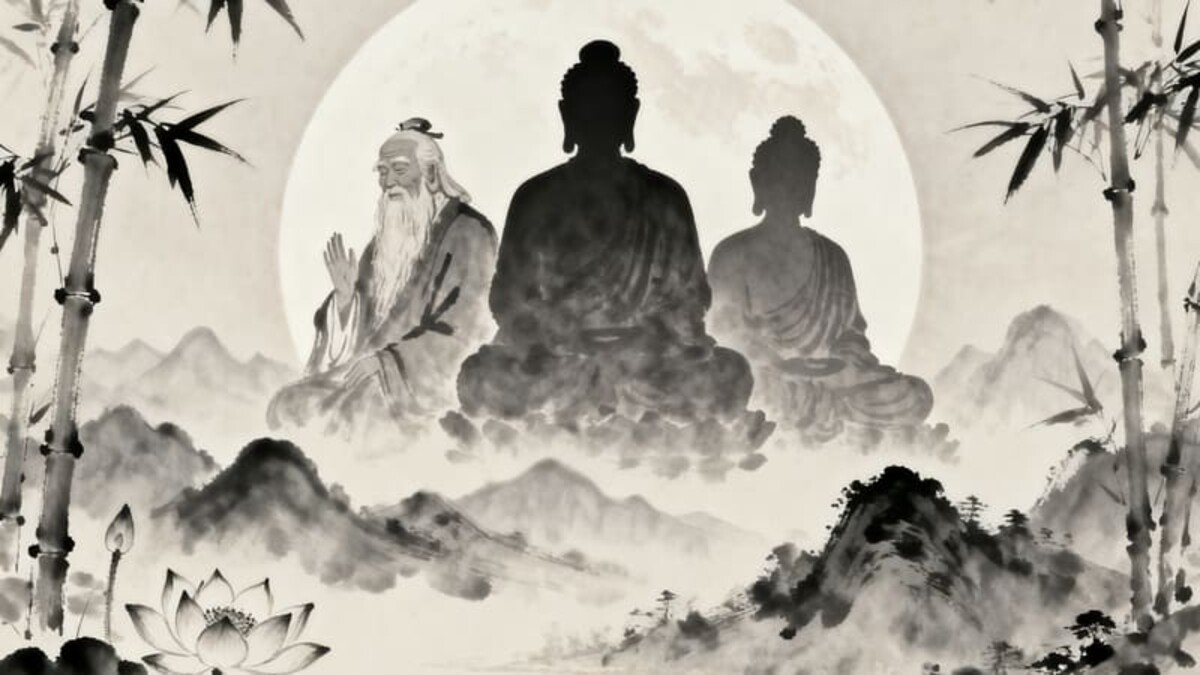
Four precepts guide the cultivation of clarity: non-attachment, non-craving, non-dwelling, non-striving. These are the shared wisdom of Confucianism, Buddhism, and Daoism.