Who Tied You Up
This morning, while wiping my mala beads, a phrase suddenly surfaced in my mind. "Who tied you up?" Four words. Strange to say, but they floated up fr
Whatever comes to mind. Sometimes a story I read, sometimes something that came to me while holding my mala beads.

This morning, while wiping my mala beads, a phrase suddenly surfaced in my mind. "Who tied you up?" Four words. Strange to say, but they floated up fr

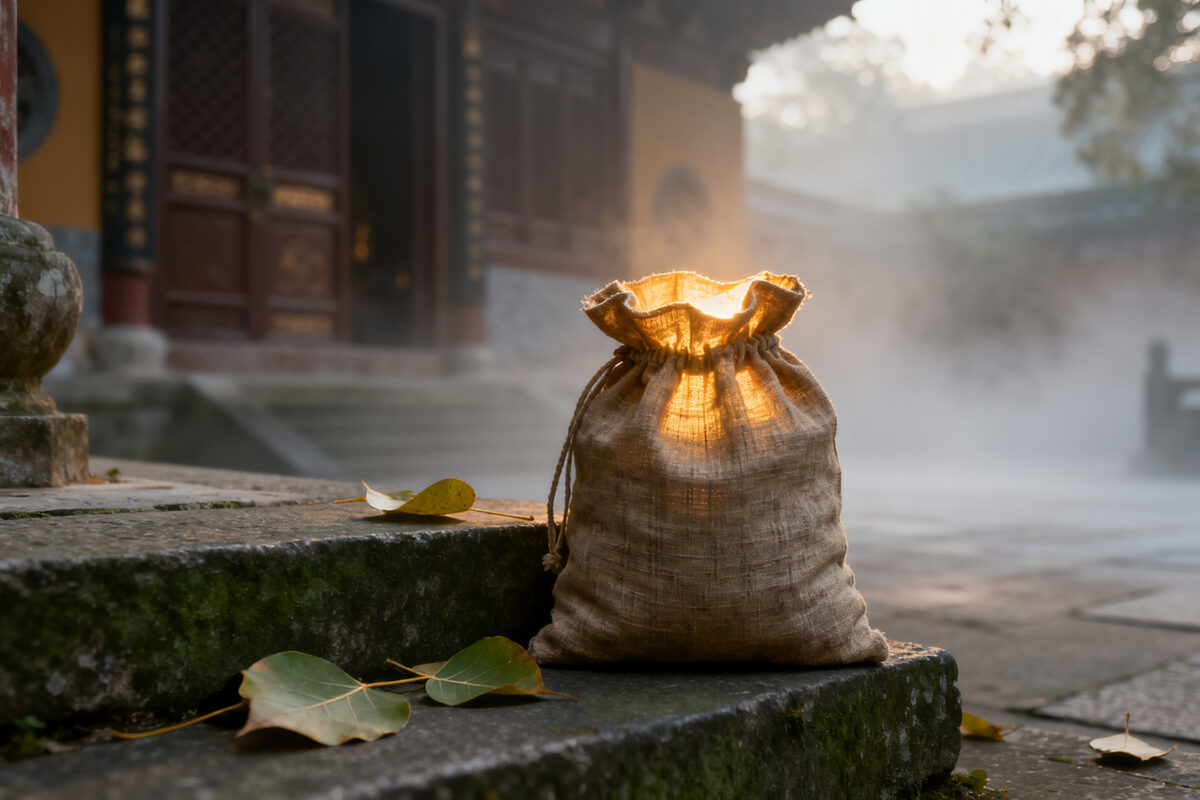
Behind that chubby, big-bellied, grinning Buddha at the temple entrance, there was a real person — a monk who carried a cloth bag and spent his life smiling. This is his story.

Su Dongpo thought he was enlightened and wrote a poem declaring "the eight winds cannot move me." Foyin replied with two words: "Bullshit." He immediately crossed the river to confront his friend. This ancient story feels like it's about me.

Behind that chubby, big-bellied, grinning Buddha at the temple entrance, there was a real person — a monk who carried a cloth bag and spent his life smiling. This is his story.

The Buddha starved for six years in the forest and nearly died. What pulled him back wasn't some profound truth — it was an ordinary woman's kindness and a bowl of hot porridge. Sujata wasn't a practitioner or a noblewoman, just a village woman by the river who handed him a bowl of milk rice.

I came across the story of Angulimala this morning. A man who had killed ninety-nine people, stopped by one sentence from the Buddha: "I have already stopped. It is you who has not."

In the Lotus Sutra, there was a monk with no special powers who bowed to everyone he met, saying "I would never look down on you. You will all become Buddhas." Mocked and beaten, he never stopped. This story made me sit with something uncomfortable — how often I look down on people without even noticing.

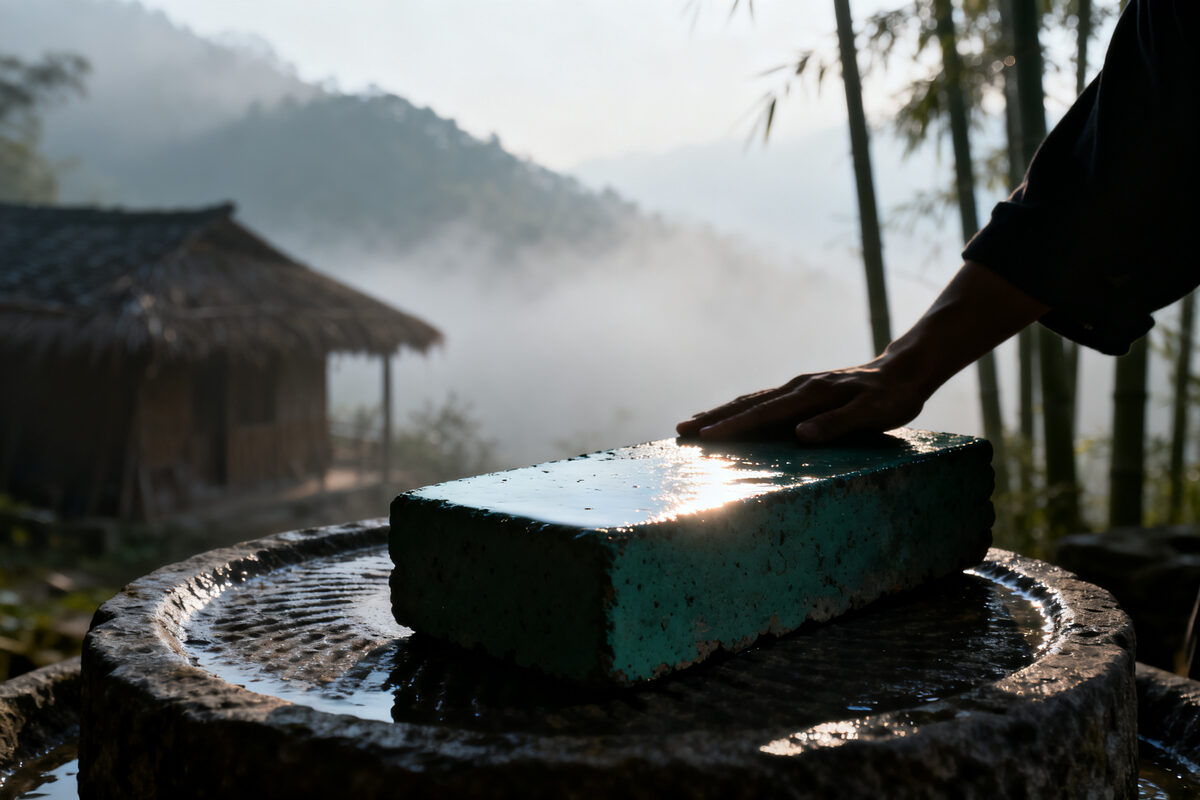
A young monk sat in meditation every day. An old monk sat next to him, grinding a brick. If grinding can't make a mirror, can sitting make a Buddha? This Tang Dynasty story made me wonder—am I grinding bricks too?

In the Tang Dynasty winter, Zen master Danxia chopped a wooden Buddha for firewood. The abbot shook with anger, but Danxia said he was burning it to get the relics. This is not sacrilege but a question about attachment and freedom.

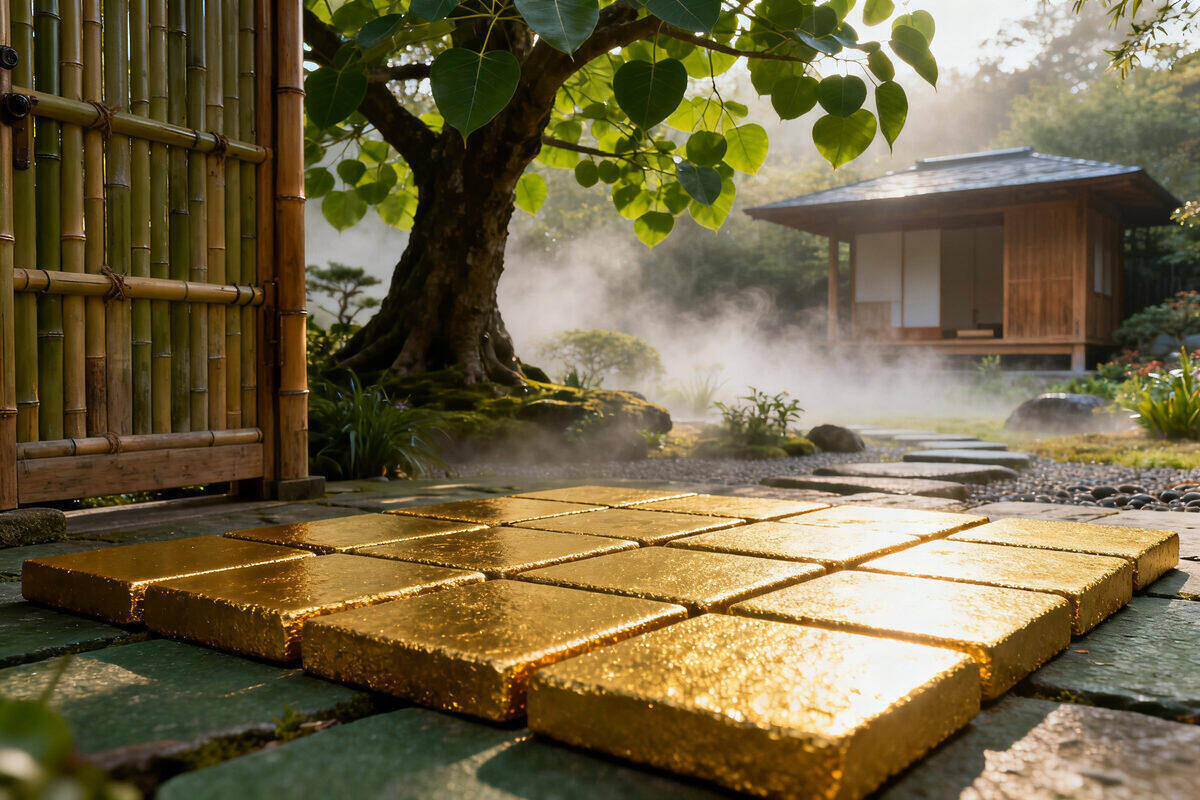
Anathapindika, the wealthy merchant who paved an entire garden with gold bricks to invite the Buddha to stay. A story about sincerity, persistence, and what it truly means to give.

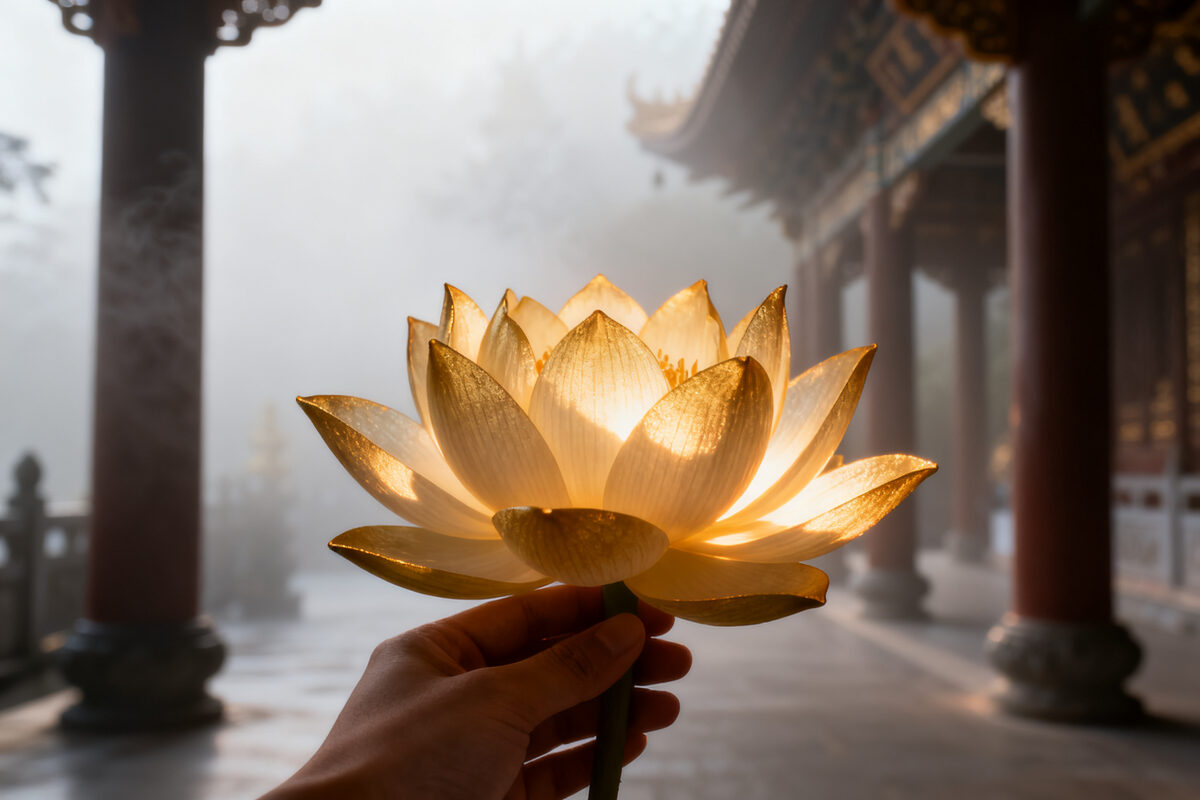
The Buddha picked up a flower at Vulture Peak and said nothing. Mahākāśyapa smiled. A moment of silence from 2,500 years ago became the origin of Zen. What really happened? Maybe no lesson at all — just someone truly seeing a flower.

Someone asked Zhaozhou: Does a dog have Buddha-nature? Zhaozhou said: Mu. Just one word that countless people have failed to penetrate for a thousand years. Maybe it's not an answer but a wall — making you crash into it and find all your prepared responses useless.

The Buddha told a story about a blind turtle at the bottom of a vast ocean, surfacing once every hundred years, trying to put its head through a hole in a randomly drifting piece of wood. That probability, he said, is how rare it is to obtain a human life. This story has stayed with me — about cherishing, about possibility, about still surfacing when you can't see the way.

I read a story from the Lotus Sutra today, and after I finished, I sat there for a long while.

I opened a sūtra that had been sitting on my shelf for over a year. Inside was the story of a lay practitioner — someone with a family and a business, who nevertheless possessed wisdom so deep that even the Buddha's greatest disciples were afraid to visit him when he fell ill.