Why I Pour Out the First Cup of Tea: A Friend Thought I Was Wasting Money
My friend watched me pour tea and dump the first steep. He looked horrified. Then an old man in a signless tea house in Chaozhou said one sentence that changed everything.
Whatever comes to mind. Sometimes a story I read, sometimes something that came to me while holding my mala beads.

My friend watched me pour tea and dump the first steep. He looked horrified. Then an old man in a signless tea house in Chaozhou said one sentence that changed everything.

Thirty-seven degrees. I grabbed an iced cola. My mom called and said don't. I didn't believe her until a Chinese medicine doctor said two words: "stomach cold." After 30 days of warm water, I found out my mom was right all along.

A foreign vlogger held up a Chinese dragon lantern and said it breathes fire. I paused the video. That golden dragon with deer antlers and fish scales didn't look like anything that would breathe fire. It looked more like a cloud.

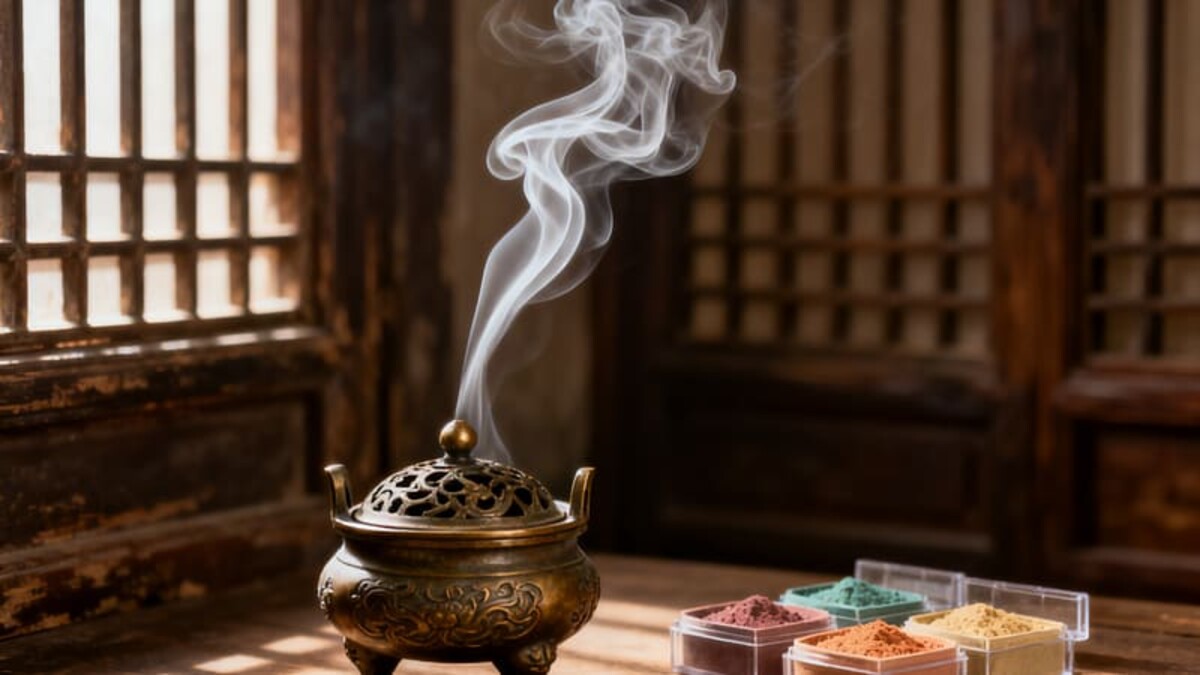
A friend gave me agarwood incense. The night I couldnt sleep, I lit one, and everything stopped. Agarwood is the scent of a tree slowly healing its wounds—and that thought stayed with me.

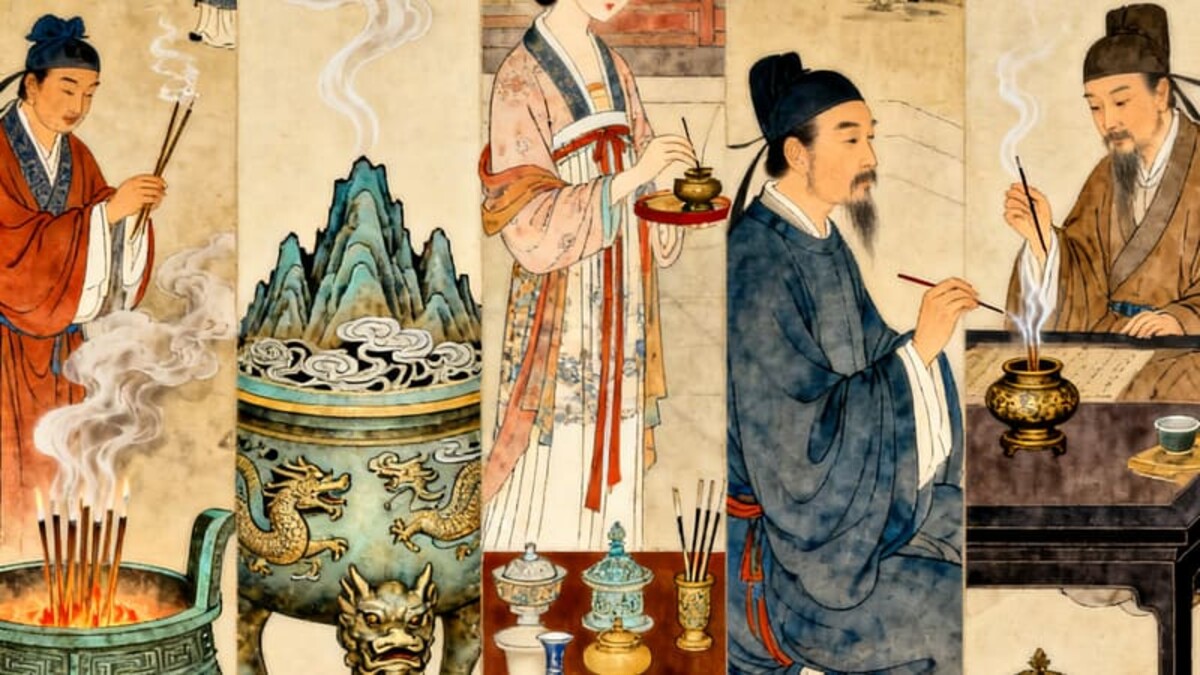
Chinese incense culture has a long history, from ancient sacrificial rituals to modern life aesthetics. Incense is not only a fragrance but also a healing for body and mind.

Chinese incense culture spans thousands of years. From ancient rituals to modern lifestyle aesthetics, incense has always been an important part of Chinese culture. Understanding incense is understanding the Chinese spiritual world.

Modern neuroscience research finds that incense meditation can significantly change brain activity. This article explores the mechanisms of how incense affects body and mind.