The Man Who Lived in a Tree
The Tang poet Bai Juyi visited a Zen master who lived in a tree. The master said the tree was safe — it was Bai Juyi who was in danger. A truth a three-year-old can speak, but an eighty-year-old cannot live.
Whatever comes to mind. Sometimes a story I read, sometimes something that came to me while holding my mala beads.

The Tang poet Bai Juyi visited a Zen master who lived in a tree. The master said the tree was safe — it was Bai Juyi who was in danger. A truth a three-year-old can speak, but an eighty-year-old cannot live.

A man so poor he had nothing but moonlight, and a thief who found nothing worth stealing. The night Zen monk Ryōkan lost his last robe and saw the richest view in the world through his window.

Anathapindika, the wealthy merchant who paved an entire garden with gold bricks to invite the Buddha to stay. A story about sincerity, persistence, and what it truly means to give.

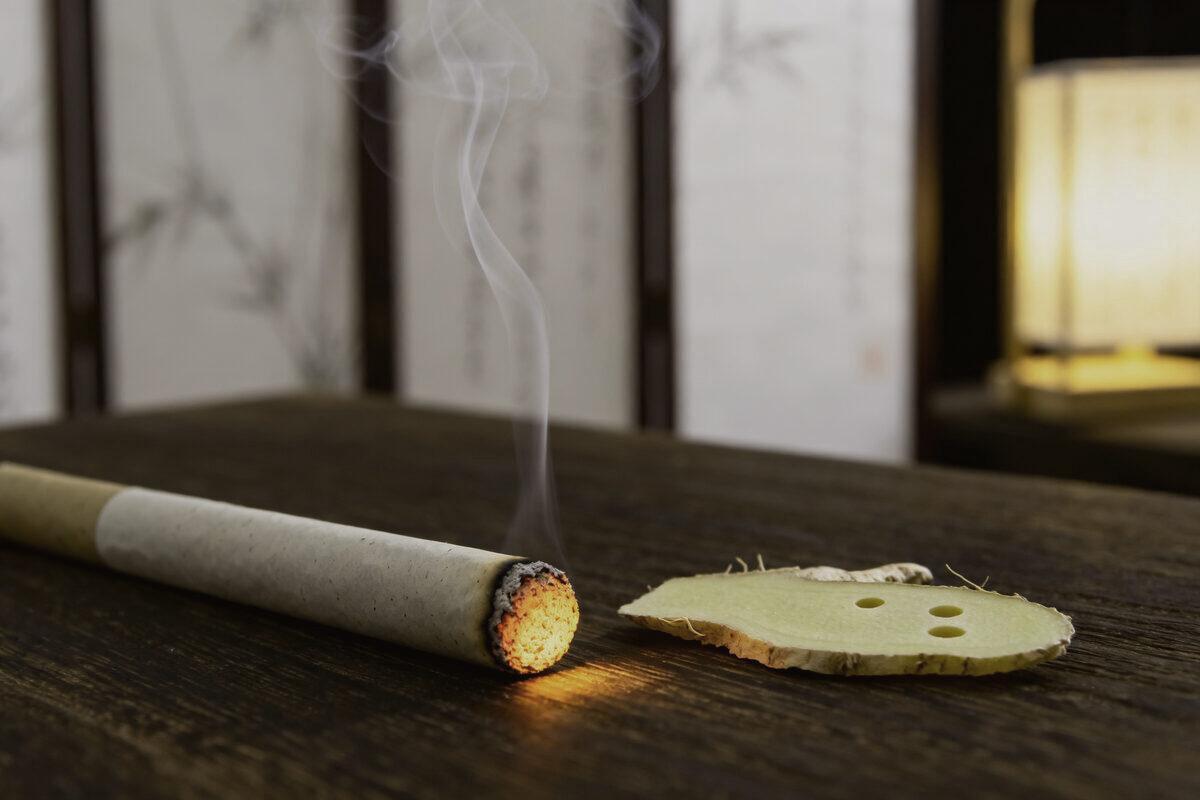
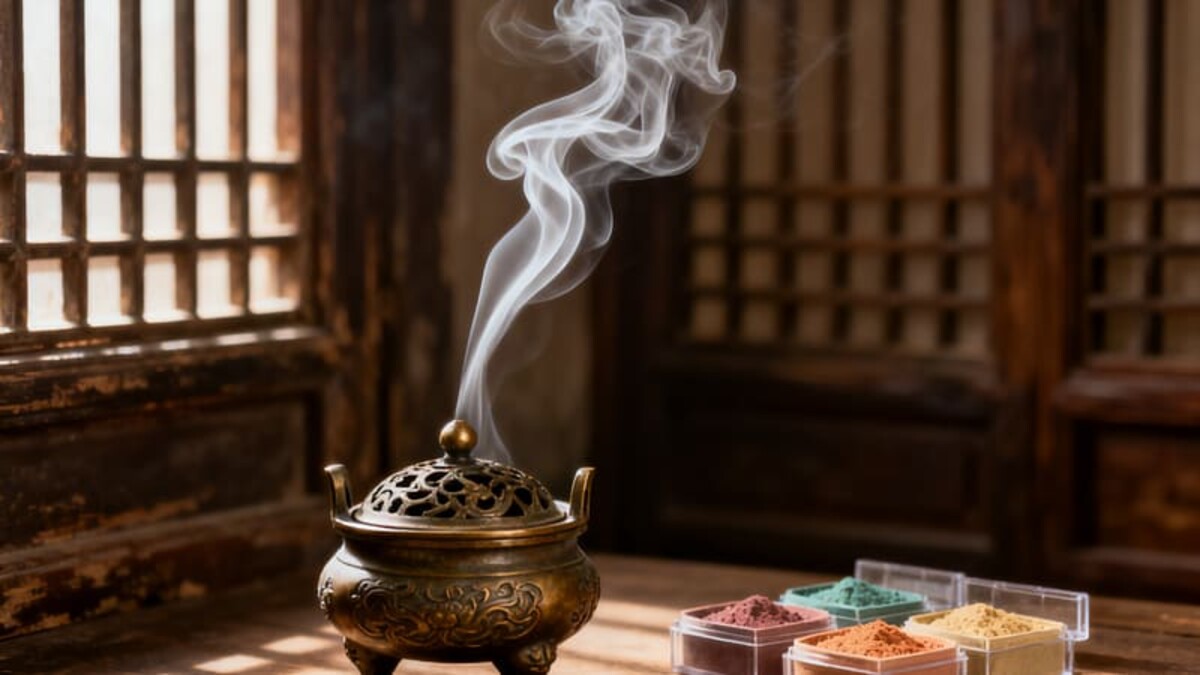
Chinese incense culture has a long history, from ancient sacrificial rituals to modern life aesthetics. Incense is not only a fragrance but also a healing for body and mind.

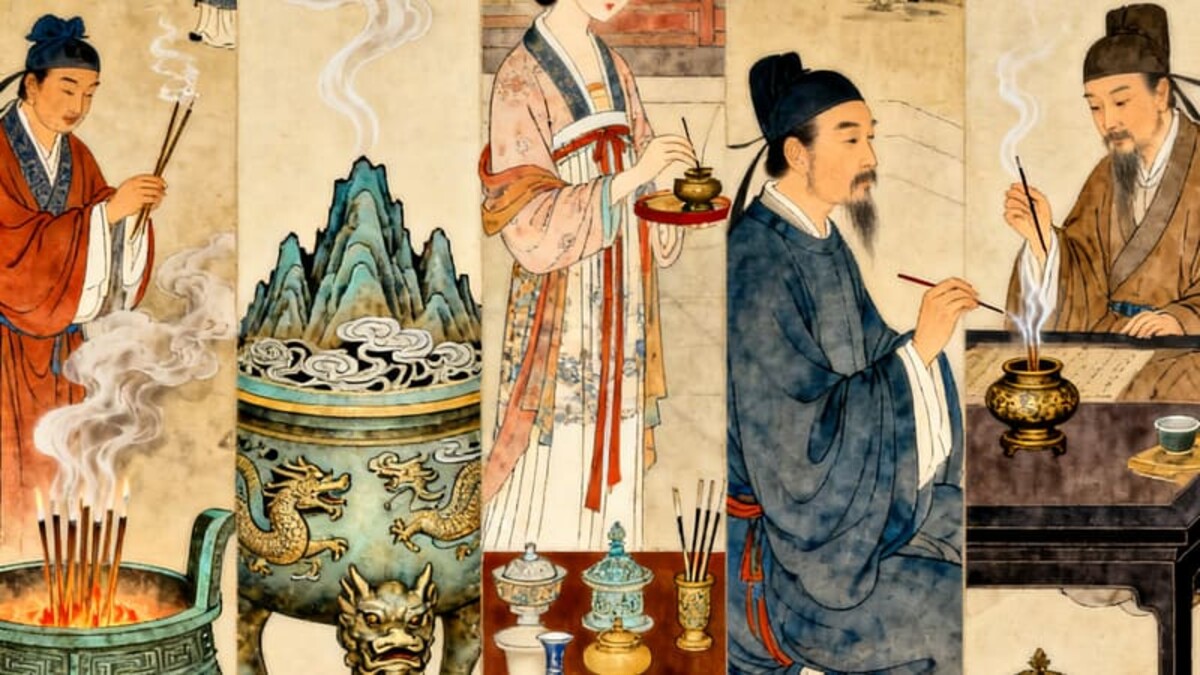
Chinese incense culture spans thousands of years. From ancient rituals to modern lifestyle aesthetics, incense has always been an important part of Chinese culture. Understanding incense is understanding the Chinese spiritual world.

Modern neuroscience research finds that incense meditation can significantly change brain activity. This article explores the mechanisms of how incense affects body and mind.