Who Tied You Up
This morning, while wiping my mala beads, a phrase suddenly surfaced in my mind. "Who tied you up?" Four words. Strange to say, but they floated up fr
Whatever comes to mind. Sometimes a story I read, sometimes something that came to me while holding my mala beads.

This morning, while wiping my mala beads, a phrase suddenly surfaced in my mind. "Who tied you up?" Four words. Strange to say, but they floated up fr

Behind that chubby, big-bellied, grinning Buddha at the temple entrance, there was a real person — a monk who carried a cloth bag and spent his life smiling. This is his story.

Su Dongpo thought he was enlightened and wrote a poem declaring "the eight winds cannot move me." Foyin replied with two words: "Bullshit." He immediately crossed the river to confront his friend. This ancient story feels like it's about me.

I opened a sūtra that had been sitting on my shelf for over a year. Inside was the story of a lay practitioner — someone with a family and a business, who nevertheless possessed wisdom so deep that even the Buddha's greatest disciples were afraid to visit him when he fell ill.

Through the story of a traveler and a bamboo raft, the Buddha revealed the ultimate wisdom of practice—the Dharma is like a raft: after crossing the river, you need not carry it.

A blind man carries a lantern at night. Not to see for himself, but to let others see him. Helping others is helping yourself — this ancient wisdom still shines today.

The Surangama Sutra teaches: When the wild mind suddenly stops, that stopping is awakening. In an age of stolen attention, 2,500-year-old wisdom offers the most precise answer.

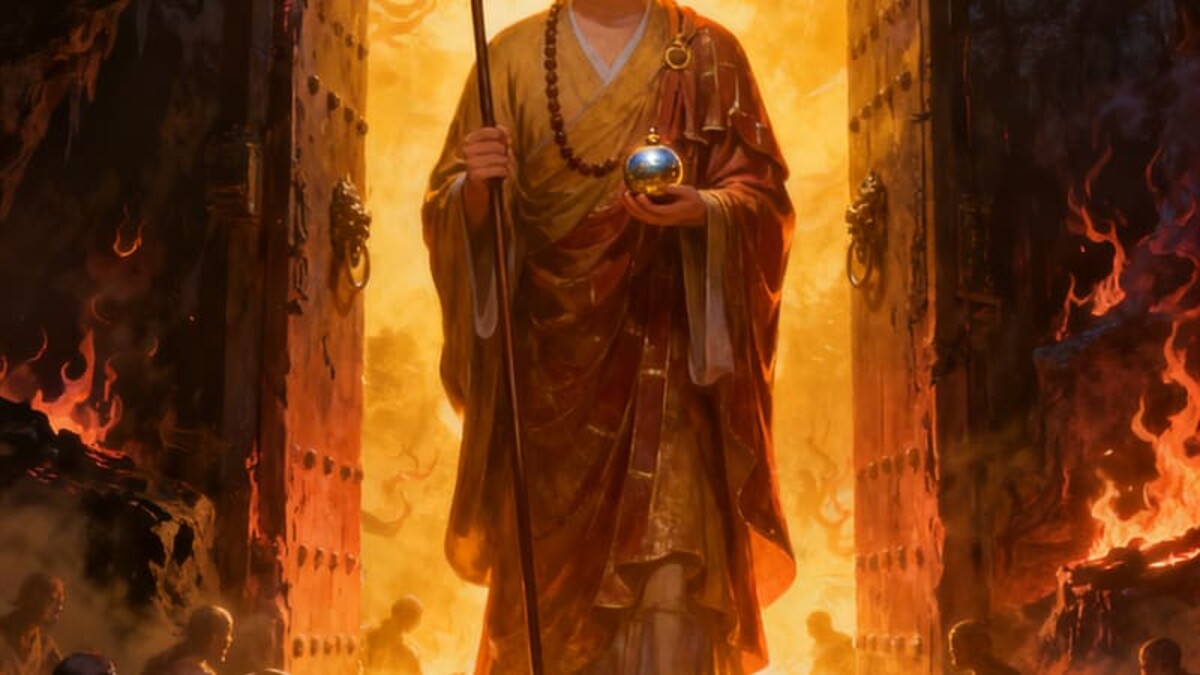
The Ksitigarbha Bodhisattva Sutra is perhaps the most moving text in all of Buddhism. His vow — "I will not become a Buddha until all hells are empty" — represents the deepest compassion imaginable. It is not only about death and the afterlife; it is wisdom about how to live, how to love, and how to never give up.

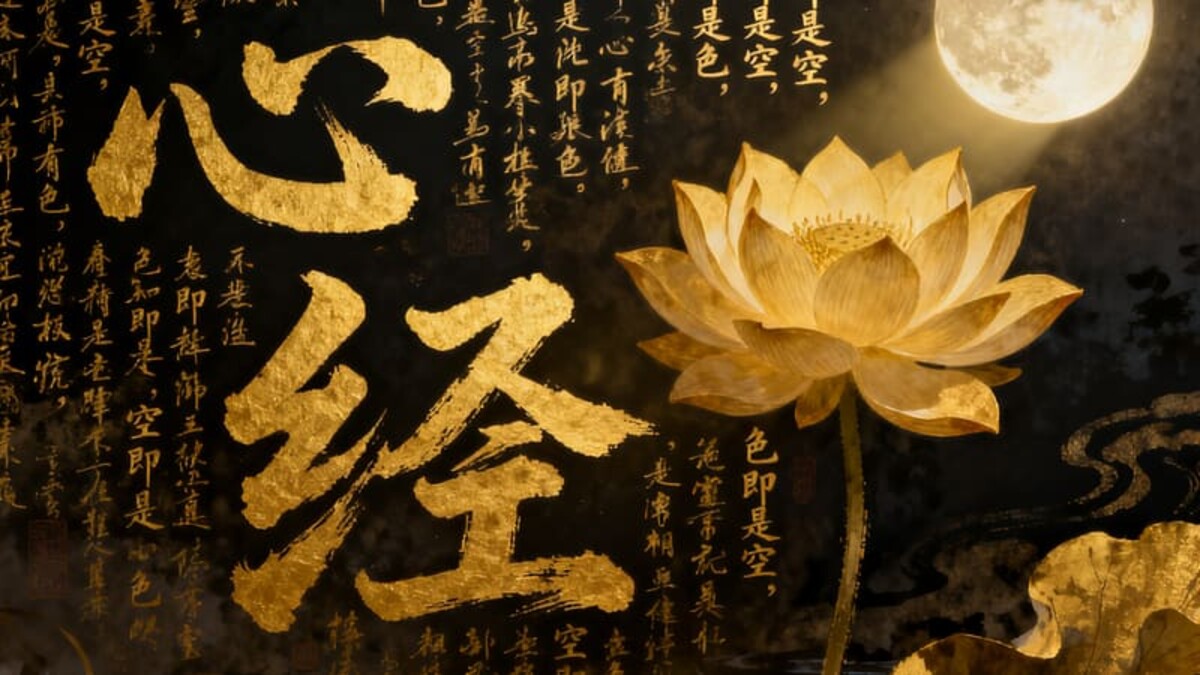
The Heart Sutra contains only 260 characters yet condenses the complete essence of Buddhist wisdom. This article interprets the sutra line by line and explores how to apply its wisdom in daily life.

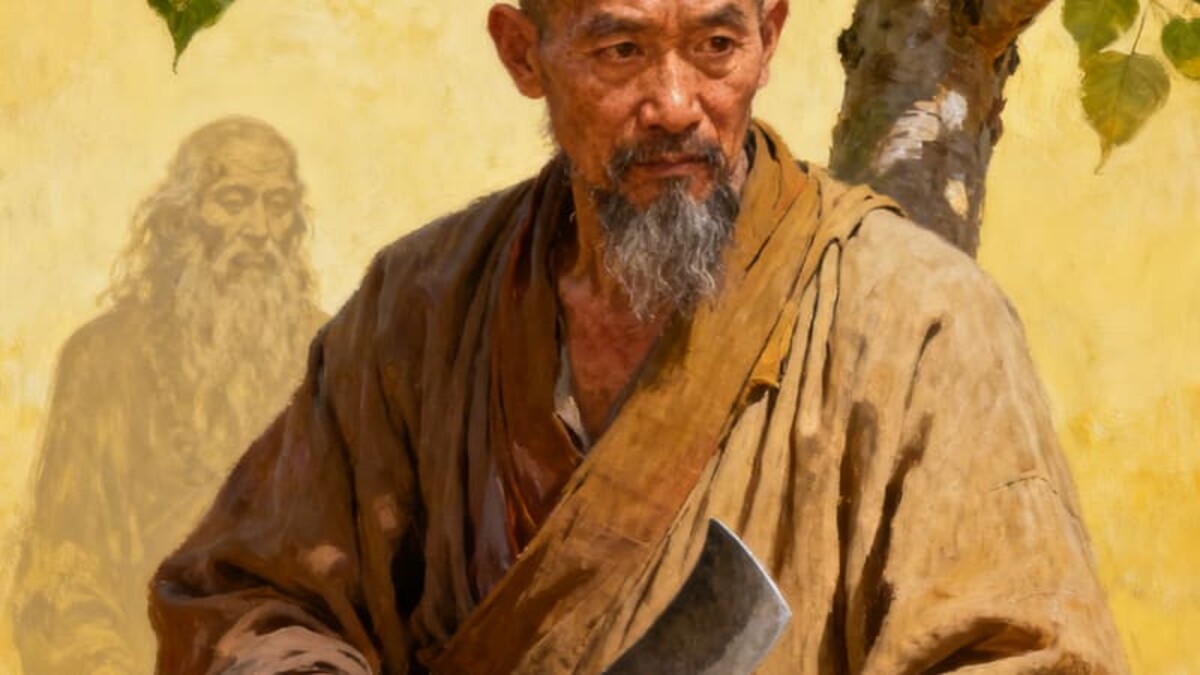
Huineng could not read a single character, yet became the greatest Zen patriarch in Chinese history. From woodcutter to Zen master, his story shows that true wisdom transcends knowledge and awakening is here and now.

The Noble Eightfold Path is the Buddha's prescription for liberation, consisting of eight dimensions across wisdom, ethics, and concentration. This article explains each aspect and how to practice them in modern life.

Karma is not fatalism but a natural law about actions and consequences. This article clarifies common misconceptions, explores the relationship between karma and free will, and how to apply this wisdom in daily life.

No matter who you are, no matter what you ask, Zen master Zhaozhou's answer is always the same: "Have some tea." Three simple words that contain the essence of Zen.

Cultural confidence is not blind pride but deep understanding and identification with one's own culture. Eastern aesthetics offers unique wisdom for modern life.

Four precepts guide the cultivation of clarity: non-attachment, non-craving, non-dwelling, non-striving. These are the shared wisdom of Confucianism, Buddhism, and Daoism.