The Daoist Told Me He Hadn't Eaten Lunch in Seven Years
On a lost path behind Mount Qingcheng, I met a Daoist who had not eaten lunch in seven years. Bigu is not dieting, nor fasting — it is another kind of relationship between a person and food.
Whatever comes to mind. Sometimes a story I read, sometimes something that came to me while holding my mala beads.

On a lost path behind Mount Qingcheng, I met a Daoist who had not eaten lunch in seven years. Bigu is not dieting, nor fasting — it is another kind of relationship between a person and food.

An 80-year-old TCM doctor taught me zhan zhuang — Chinese standing meditation. I didn't believe it at first. How can standing still heal anything? After 100 days, my insomnia is gone, my hands are warm, my temper softened. This is my honest record of those hundred days.

A blonde girl on TikTok doing Ba Duan Jin with imperfect form. After three years of practice, I realize — it doesn't matter if your form is perfect. What matters is whether you're willing to give your body eight minutes a day.

Blisters in my mouth, can't sleep at night, irritable all day. My mom said it's "heart fire." An ordinary person tries living by the seasons for a few days and discovers the ancient wisdom isn't mysticism at all.

Zhuangzi said the fish were happy. Huizi said you are not a fish. Standing on the bridge, I finally understood: between compassion and wisdom, there is a bridge.

I opened a sūtra that had been sitting on my shelf for over a year. Inside was the story of a lay practitioner — someone with a family and a business, who nevertheless possessed wisdom so deep that even the Buddha's greatest disciples were afraid to visit him when he fell ill.

Through the story of a traveler and a bamboo raft, the Buddha revealed the ultimate wisdom of practice—the Dharma is like a raft: after crossing the river, you need not carry it.

A blind man carries a lantern at night. Not to see for himself, but to let others see him. Helping others is helping yourself — this ancient wisdom still shines today.

The Surangama Sutra teaches: When the wild mind suddenly stops, that stopping is awakening. In an age of stolen attention, 2,500-year-old wisdom offers the most precise answer.

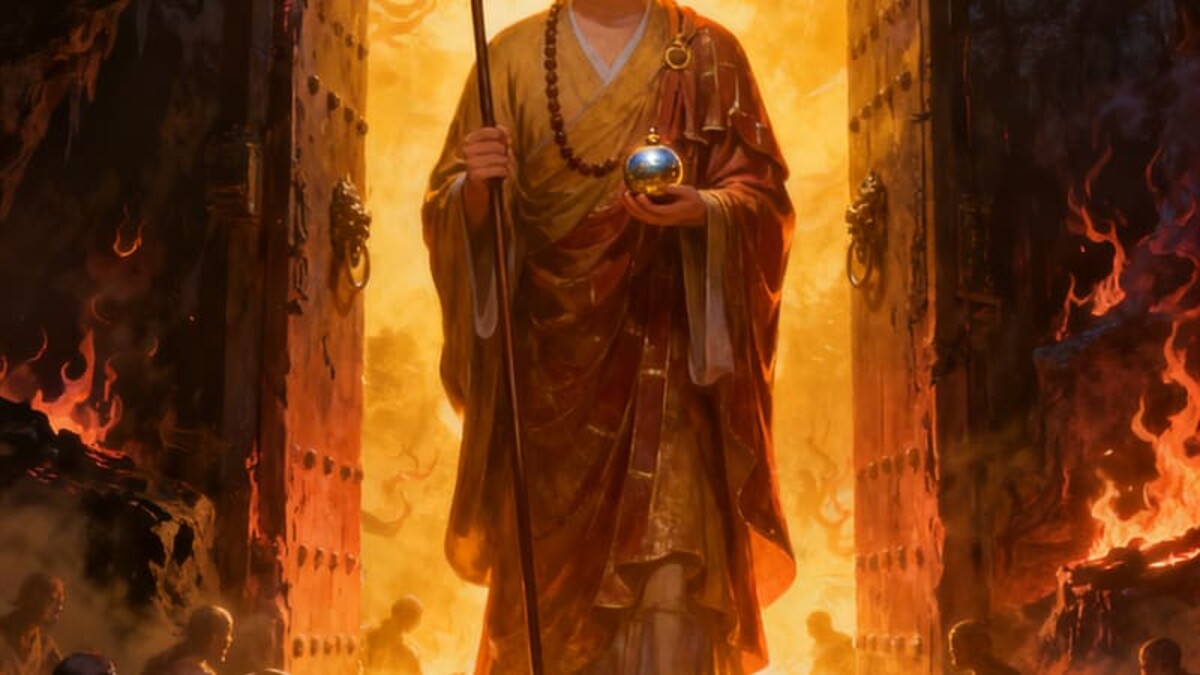
The Ksitigarbha Bodhisattva Sutra is perhaps the most moving text in all of Buddhism. His vow — "I will not become a Buddha until all hells are empty" — represents the deepest compassion imaginable. It is not only about death and the afterlife; it is wisdom about how to live, how to love, and how to never give up.

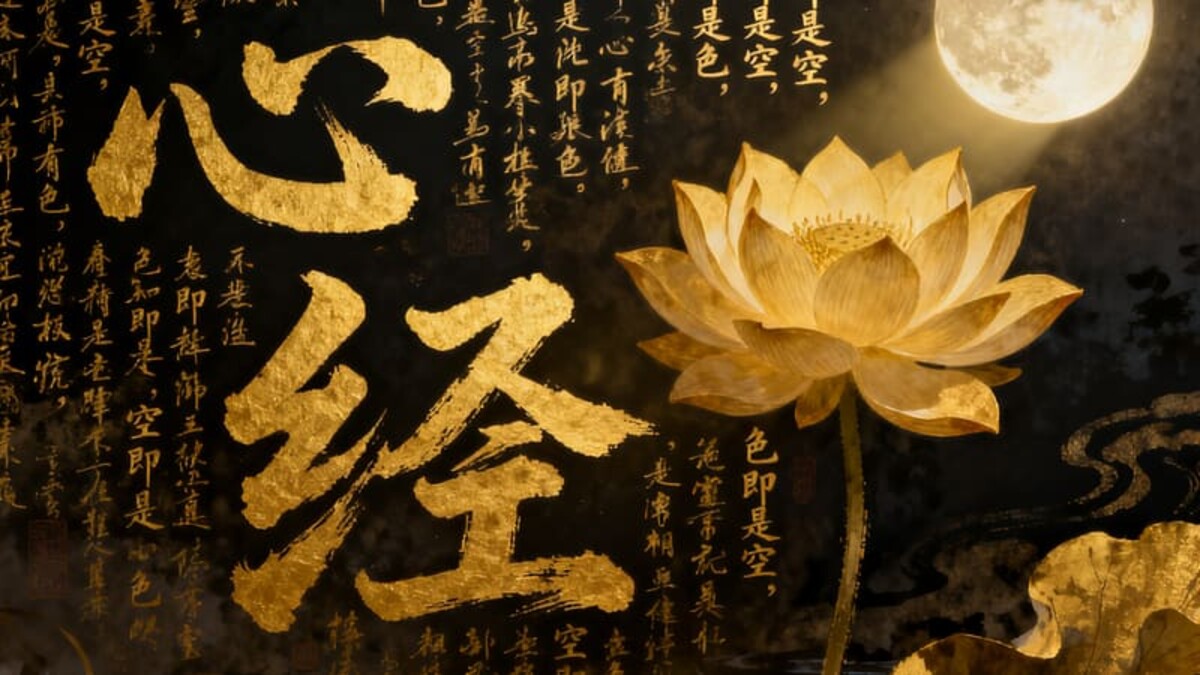
The Heart Sutra contains only 260 characters yet condenses the complete essence of Buddhist wisdom. This article interprets the sutra line by line and explores how to apply its wisdom in daily life.

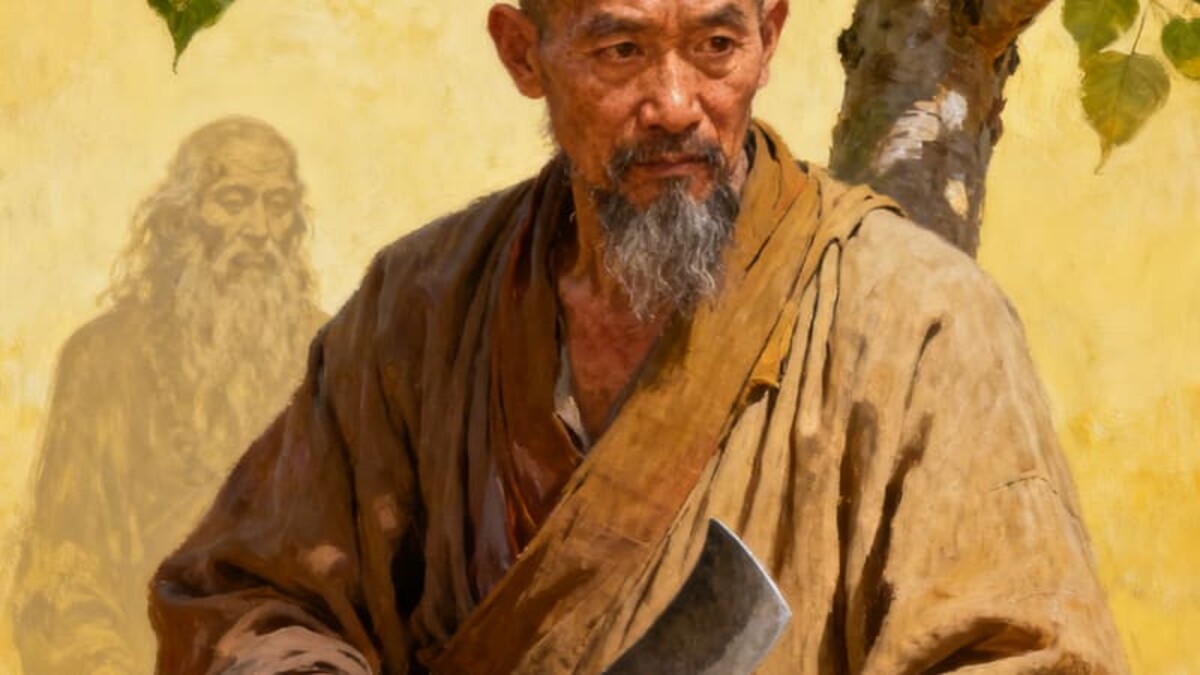
Huineng could not read a single character, yet became the greatest Zen patriarch in Chinese history. From woodcutter to Zen master, his story shows that true wisdom transcends knowledge and awakening is here and now.

The Noble Eightfold Path is the Buddha's prescription for liberation, consisting of eight dimensions across wisdom, ethics, and concentration. This article explains each aspect and how to practice them in modern life.

Karma is not fatalism but a natural law about actions and consequences. This article clarifies common misconceptions, explores the relationship between karma and free will, and how to apply this wisdom in daily life.

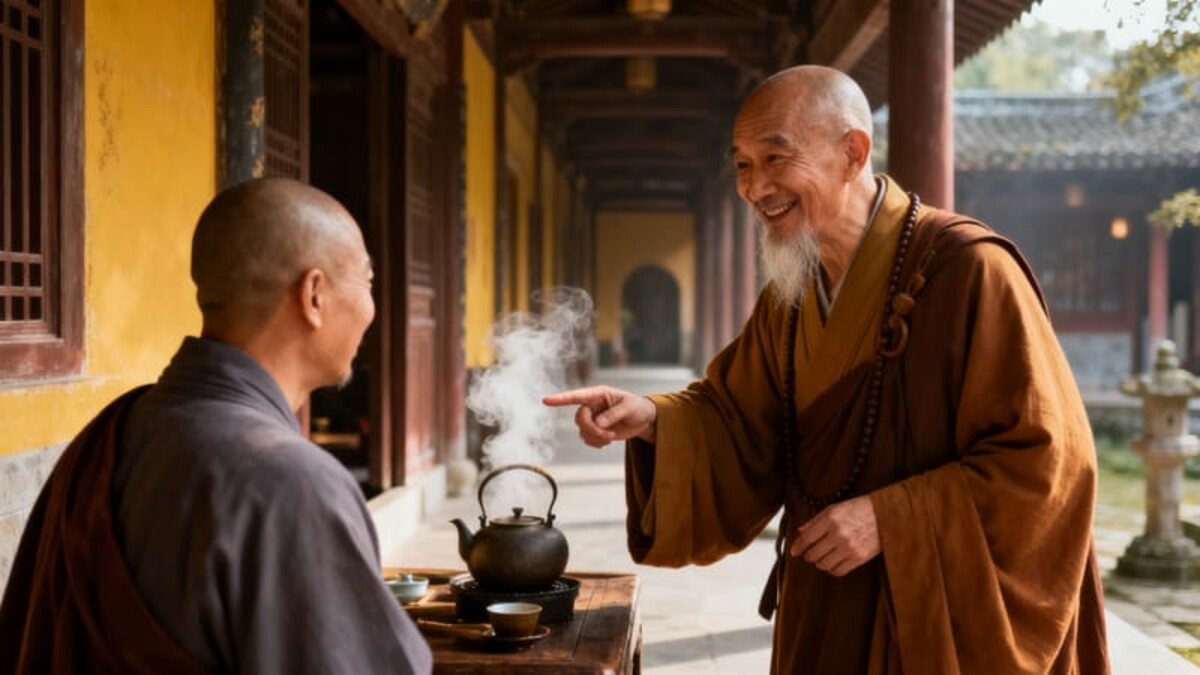
No matter who you are, no matter what you ask, Zen master Zhaozhou's answer is always the same: "Have some tea." Three simple words that contain the essence of Zen.