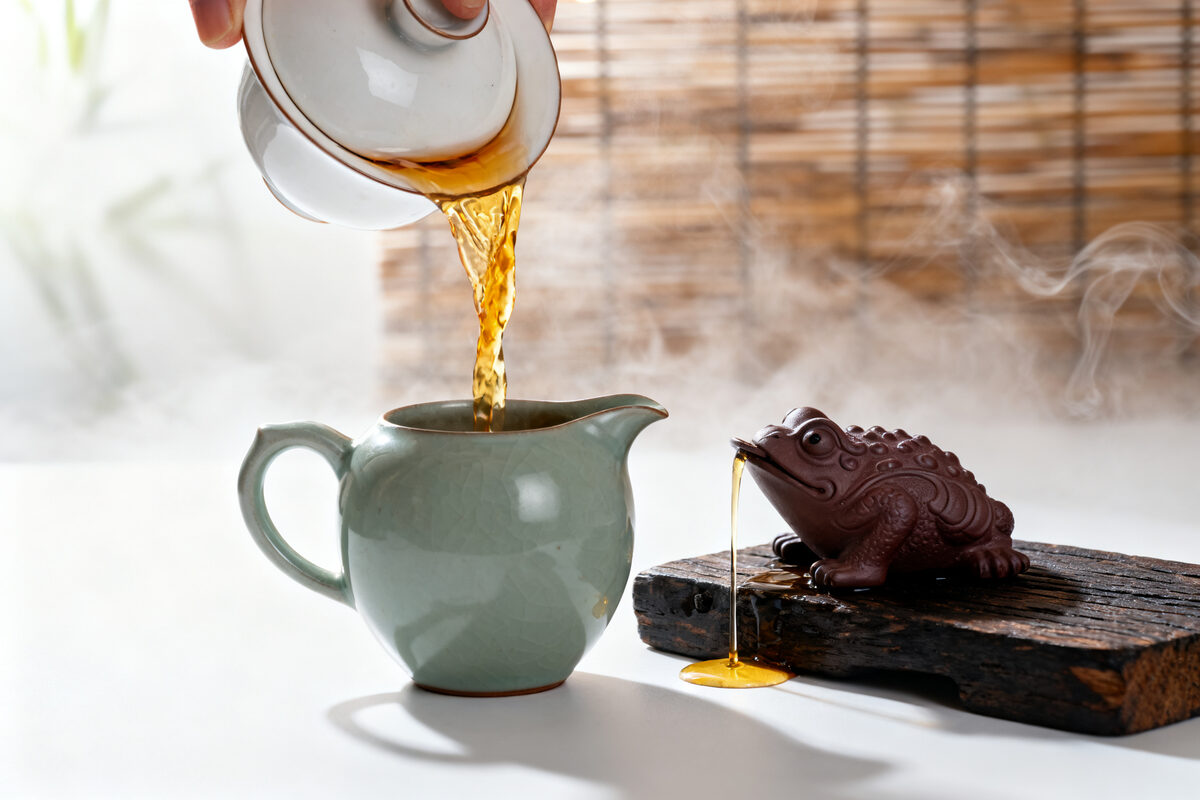
Why I Pour Out the First Cup of Tea: A Friend Thought I Was Wasting Money
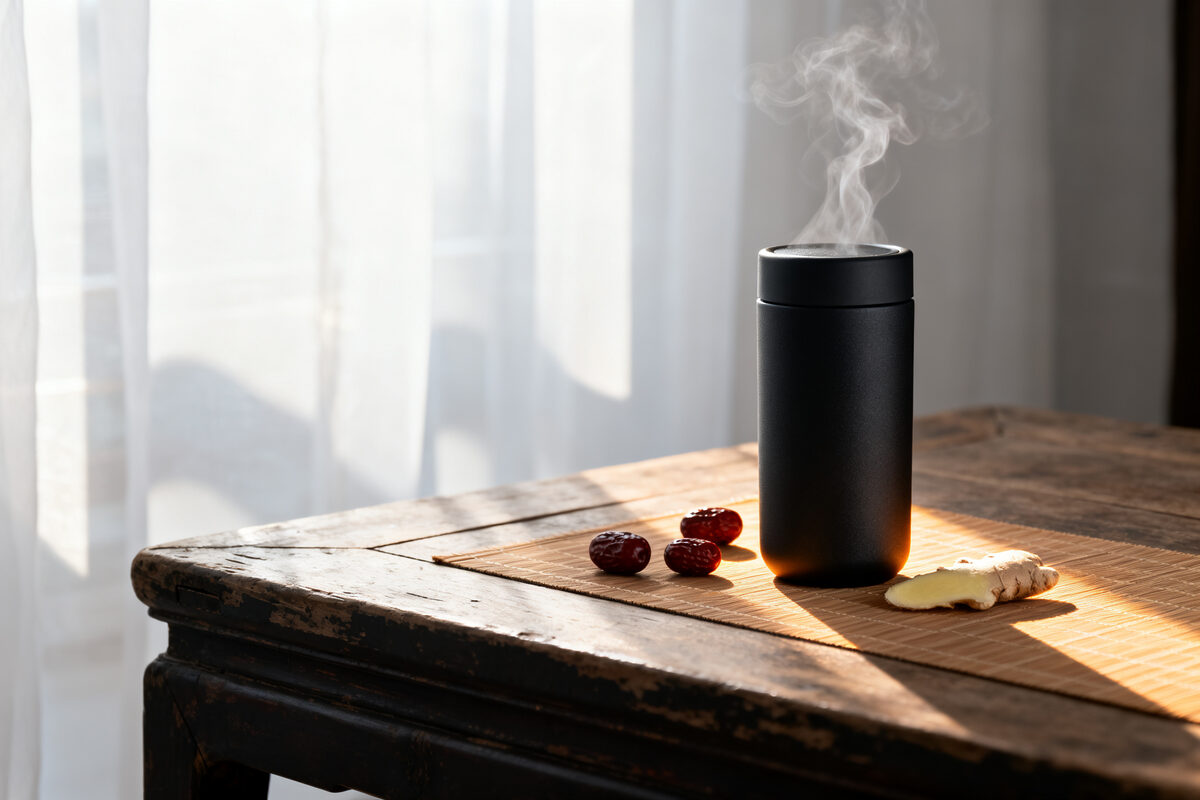
My friend watched me pour tea and dump the first steep. He looked horrified. Then an old man in a signless tea house in Chaozhou said one sentence that changed everything.
Whatever comes to mind. Sometimes a story I read, sometimes something that came to me while holding my mala beads.

My friend watched me pour tea and dump the first steep. He looked horrified. Then an old man in a signless tea house in Chaozhou said one sentence that changed everything.

Thirty-seven degrees. I grabbed an iced cola. My mom called and said don't. I didn't believe her until a Chinese medicine doctor said two words: "stomach cold." After 30 days of warm water, I found out my mom was right all along.

A foreign vlogger held up a Chinese dragon lantern and said it breathes fire. I paused the video. That golden dragon with deer antlers and fish scales didn't look like anything that would breathe fire. It looked more like a cloud.

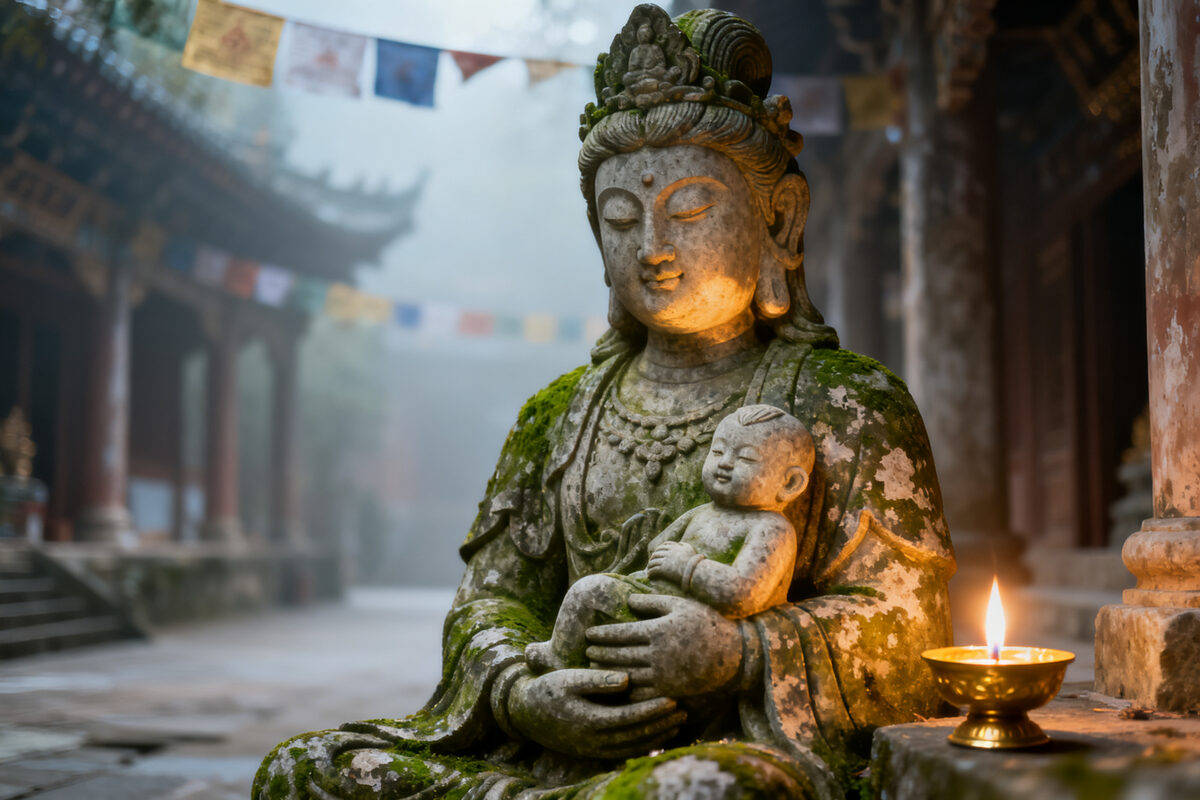
A demon named Joy who ate other people's children to feed her own. The Buddha didn't fight her - he just let her feel that pain herself. A story about how wide our love can be.

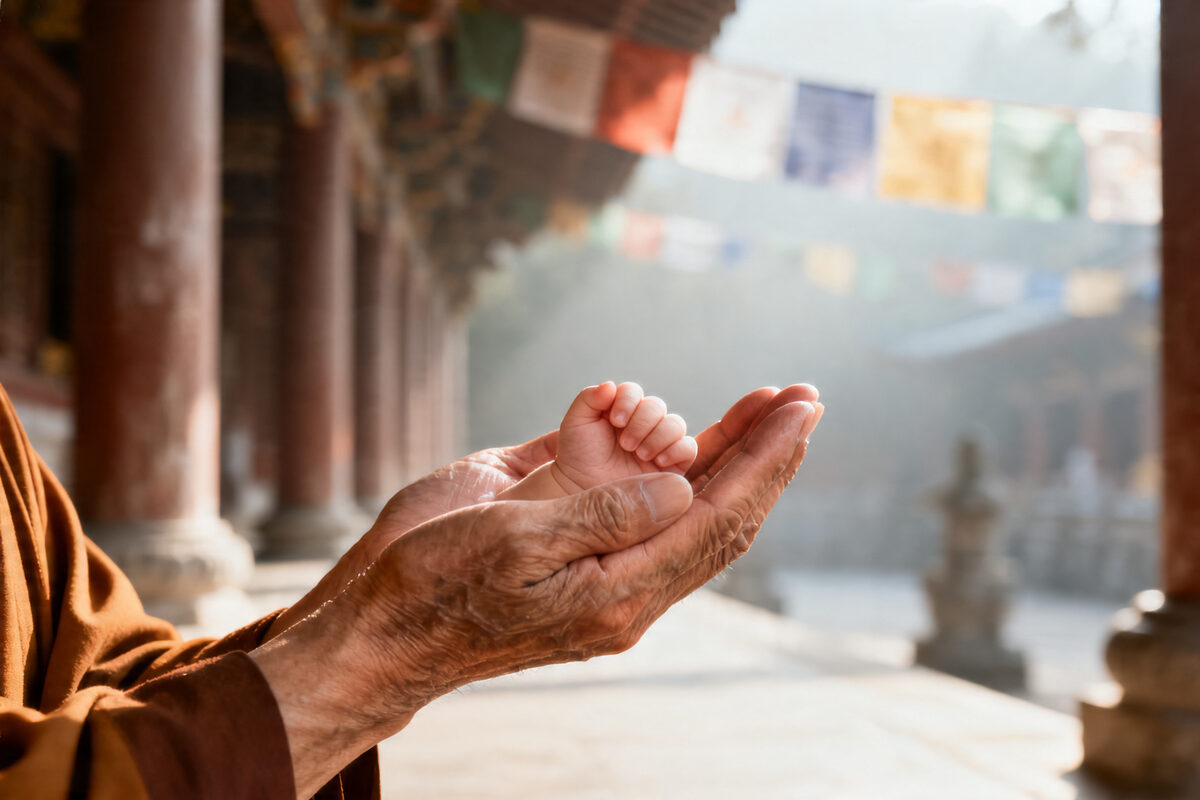
Two women claim the same baby as their own. A wise king decrees: cut the child in half, each gets a piece. One woman lets go — true love is not possession, but sacrifice.

The Ksitigarbha Bodhisattva Sutra is perhaps the most moving text in all of Buddhism. His vow — "I will not become a Buddha until all hells are empty" — represents the deepest compassion imaginable. It is not only about death and the afterlife; it is wisdom about how to live, how to love, and how to never give up.

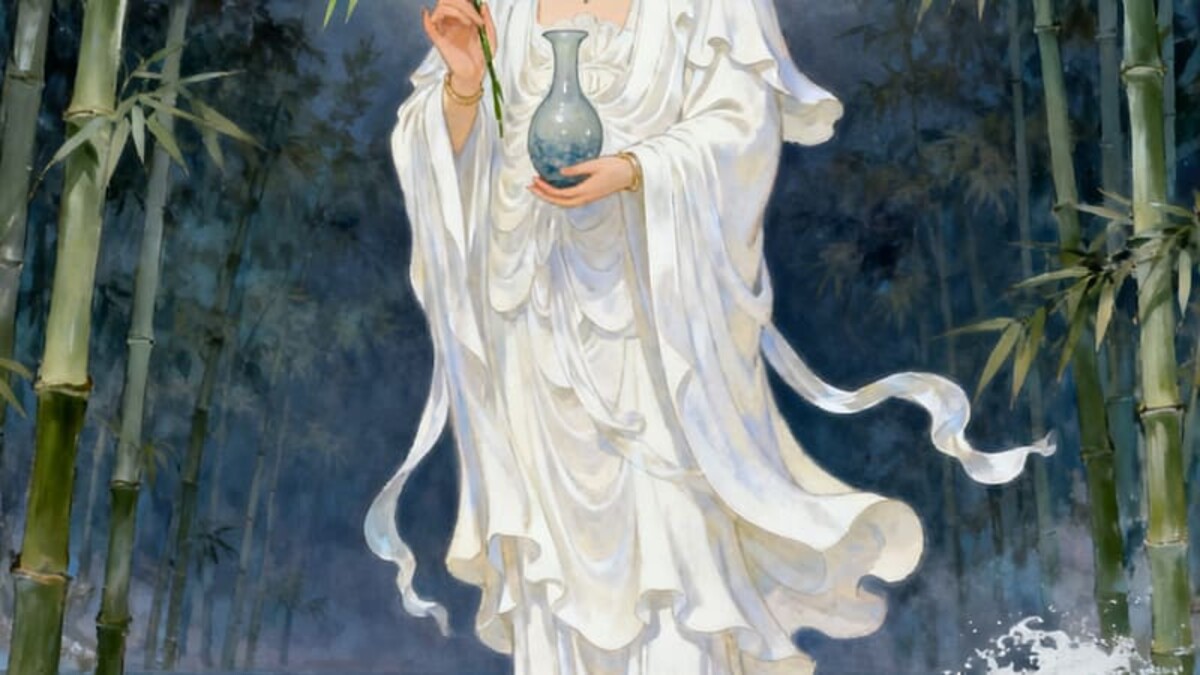
Guanyin was originally depicted as male in India. Over centuries, the bodhisattva transformed into China's beloved Goddess of Mercy. This article traces this cultural legend and explores the modern relevance of Guanyin devotion.