The Man Who Lived in a Tree
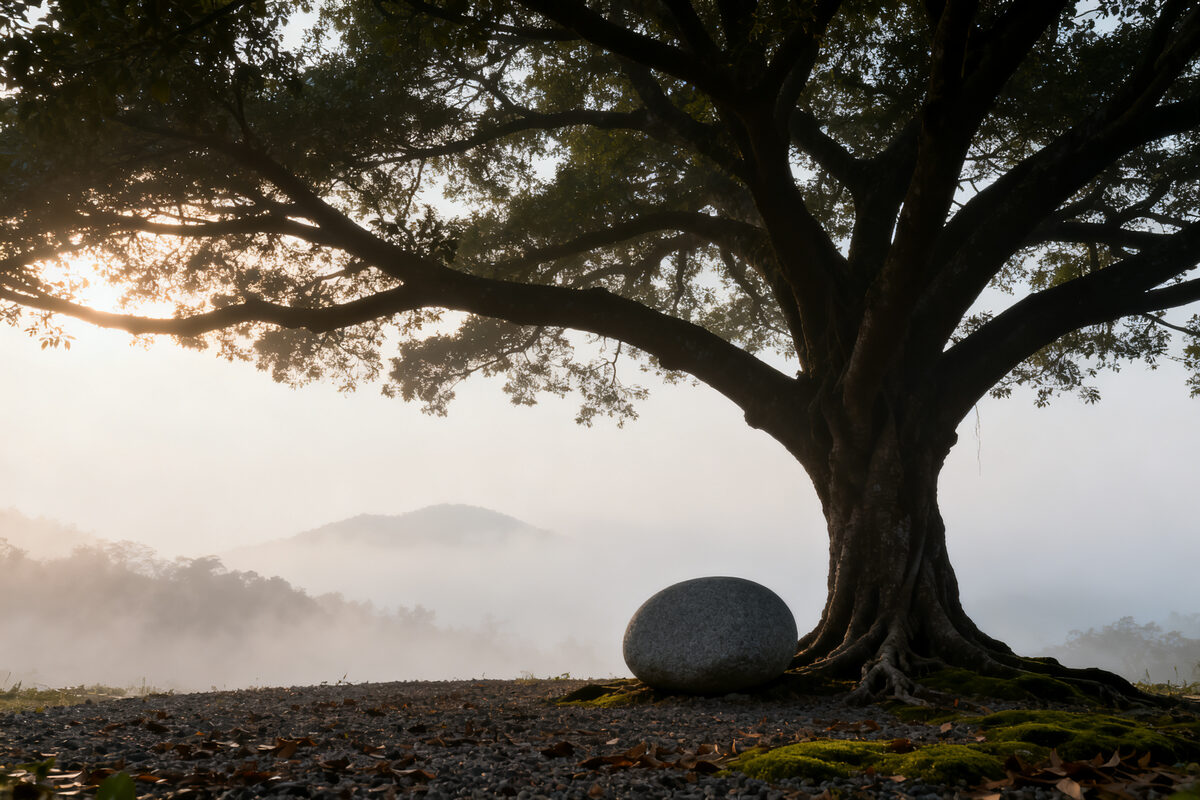
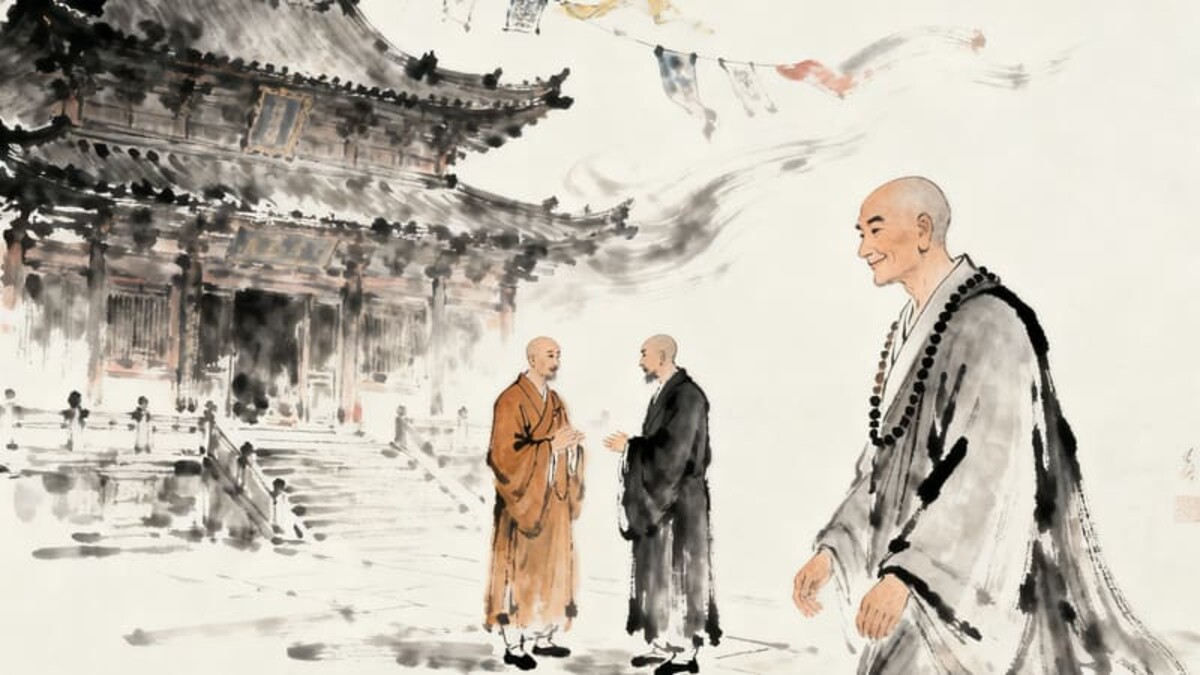
The Tang poet Bai Juyi visited a Zen master who lived in a tree. The master said the tree was safe — it was Bai Juyi who was in danger. A truth a three-year-old can speak, but an eighty-year-old cannot live.
Whatever comes to mind. Sometimes a story I read, sometimes something that came to me while holding my mala beads.

The Tang poet Bai Juyi visited a Zen master who lived in a tree. The master said the tree was safe — it was Bai Juyi who was in danger. A truth a three-year-old can speak, but an eighty-year-old cannot live.

A man so poor he had nothing but moonlight, and a thief who found nothing worth stealing. The night Zen monk Ryōkan lost his last robe and saw the richest view in the world through his window.

Anathapindika, the wealthy merchant who paved an entire garden with gold bricks to invite the Buddha to stay. A story about sincerity, persistence, and what it truly means to give.

Hanshan asked Shide: when someone slanders me, cheats me, insults me — how should I deal with it? Shide replied: tolerate him, yield to him, let him be, avoid him, endure him, respect him, pay him no mind.

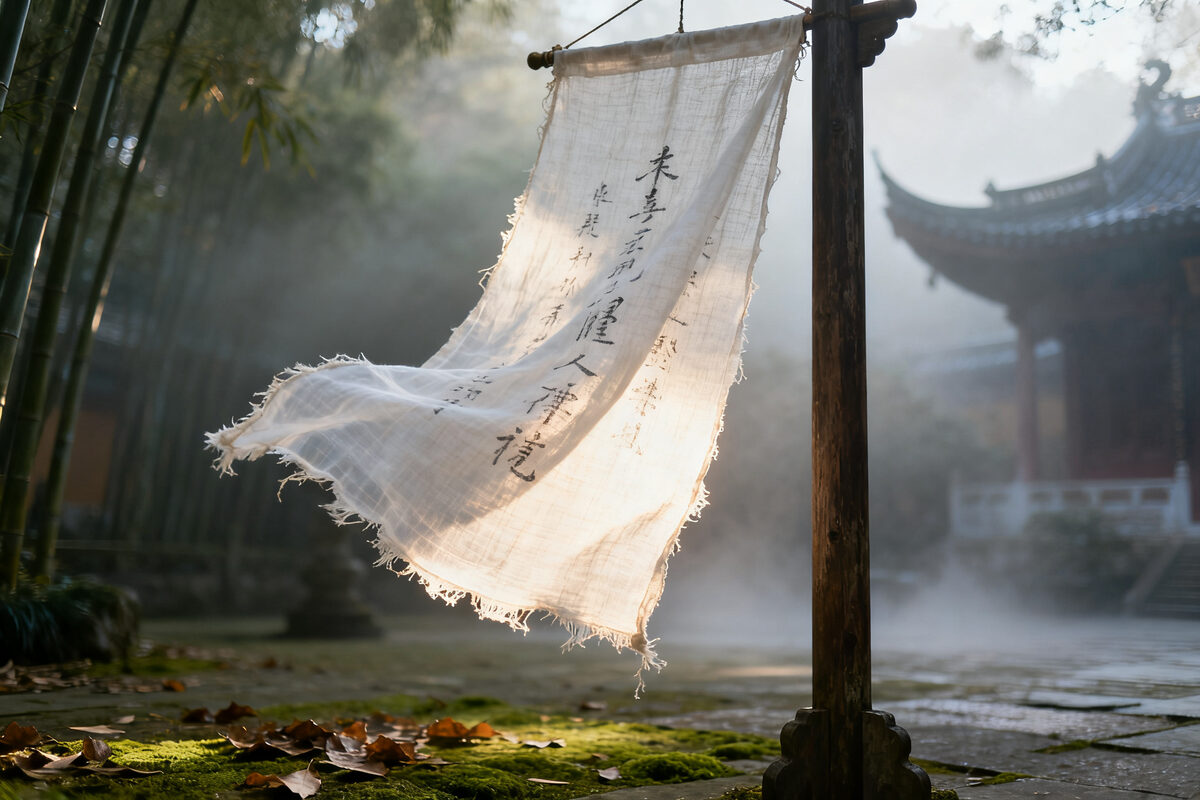
On a windy day in Guangzhou, a flag flapped outside my window. I stood there watching it and remembered a story from thirteen hundred years ago — two monks arguing about whether it was the wind or the flag that was moving. Huineng said: it's neither. It's your mind that moves. I used to think this was idealism. Now I think it's about something simpler — what makes you suffer isn't what happens outside, but how your mind responds.

This morning, after the alarm went off, I didn't reach for my phone right away. It wasn't discipline. I was dreaming of an old temple with its door shut, wondering whether to push it open. Then I woke up.

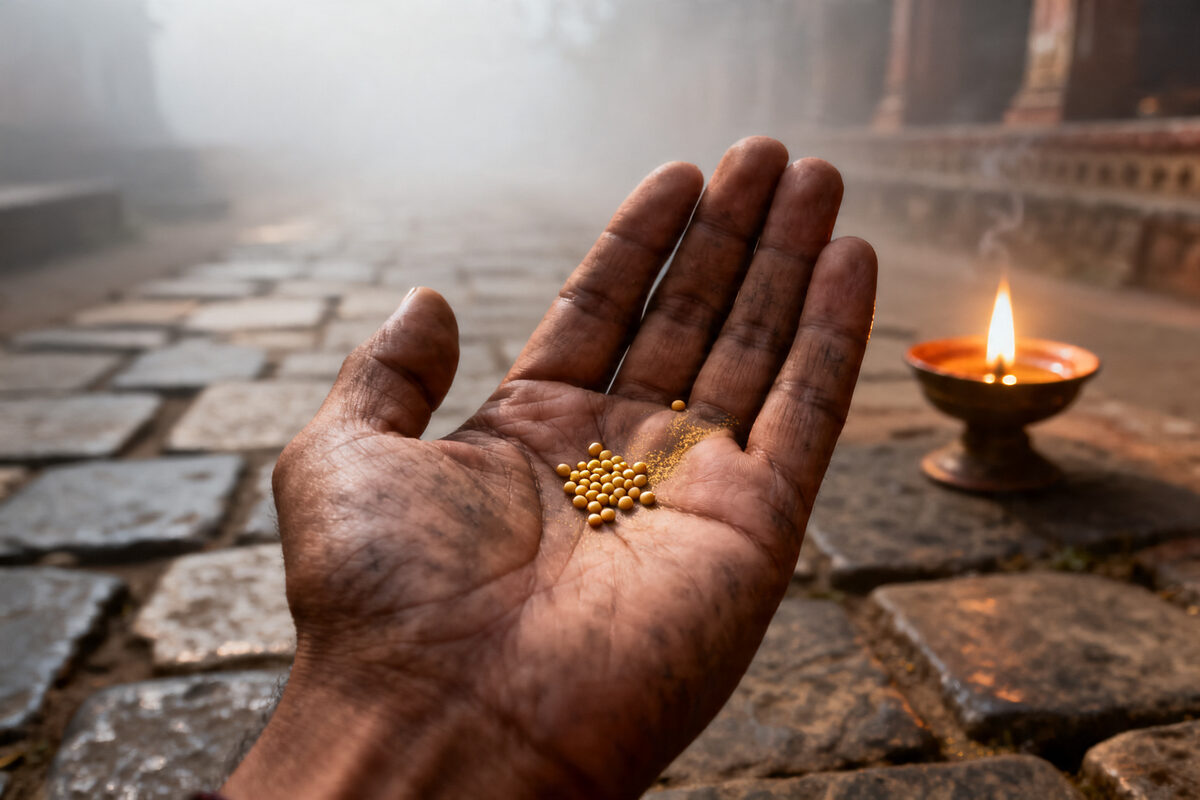
Today I came across an old book with a dried bodhi leaf tucked between the pages. It reminded me of a story from 2,500 years ago—a mother who lost her child, and the Buddha who asked her to find a mustard seed from a home untouched by death.

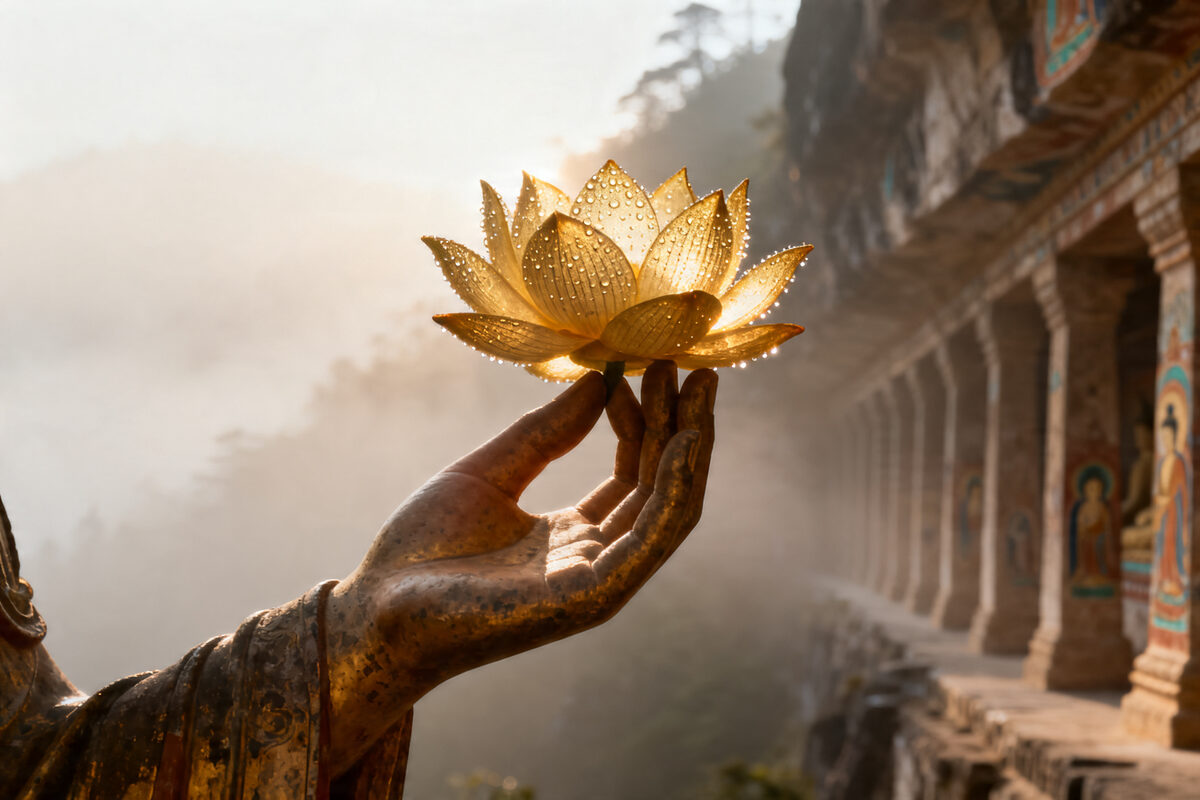
On Vulture Peak, the Buddha held up a single flower. Thousands were bewildered. Only Mahākāśyapa smiled. Thus began the mind-to-mind transmission that would become Zen — a timeless teaching about direct awareness beyond words.

The Surangama Sutra teaches: When the wild mind suddenly stops, that stopping is awakening. In an age of stolen attention, 2,500-year-old wisdom offers the most precise answer.

The Amitabha Sutra is the core text of Pure Land Buddhism, describing a realm free from suffering. But the Pure Land is not a destination after death — it is where your heart settles in this moment. When you recite the Buddha's name with a focused mind, you are already there.

The Diamond Sutra is the core text of Zen Buddhism. Its central teaching — "cultivate a mind that abides nowhere" — has inspired everyone from a 7th-century woodcutter to Steve Jobs. Here is what it actually means for your daily life.

Is the wind moving? Is the banner moving? Or is your mind moving? A question that has echoed through thirteen centuries, revealing our attachment to external appearances.

"My mind is uneasy. Please pacify my mind for me." Damo's response made the very mind Huike was desperately seeking completely vanish.

Someone asked Nanquan Puyuan: What is the Way? Nanquan said: Ordinary mind is the Way. The person pressed: Can I aim for it? Nanquan replied: Once you aim, you've already strayed.