The Man Who Lived in a Tree
The Tang poet Bai Juyi visited a Zen master who lived in a tree. The master said the tree was safe — it was Bai Juyi who was in danger. A truth a three-year-old can speak, but an eighty-year-old cannot live.
Whatever comes to mind. Sometimes a story I read, sometimes something that came to me while holding my mala beads.

The Tang poet Bai Juyi visited a Zen master who lived in a tree. The master said the tree was safe — it was Bai Juyi who was in danger. A truth a three-year-old can speak, but an eighty-year-old cannot live.

A man so poor he had nothing but moonlight, and a thief who found nothing worth stealing. The night Zen monk Ryōkan lost his last robe and saw the richest view in the world through his window.

Anathapindika, the wealthy merchant who paved an entire garden with gold bricks to invite the Buddha to stay. A story about sincerity, persistence, and what it truly means to give.

The story of Angulimala — a murderer who killed 999 people, yet was transformed by a single sentence from the Buddha and attained arhatship. Buddhism's most dramatic story of transformation.

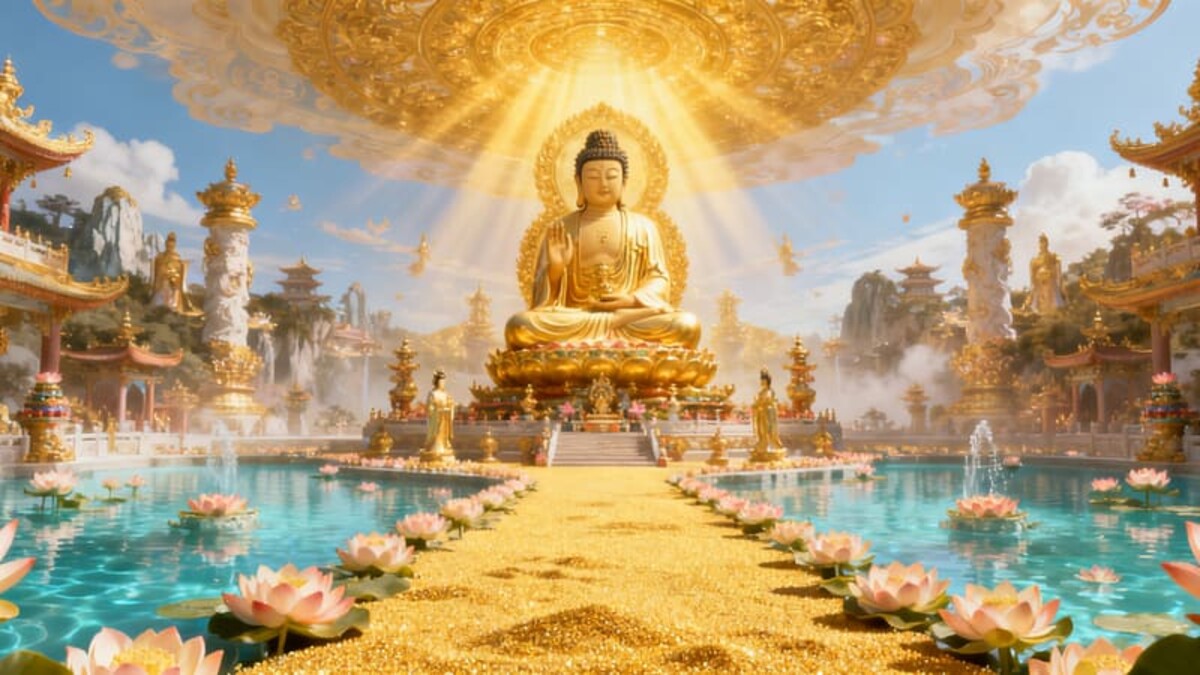
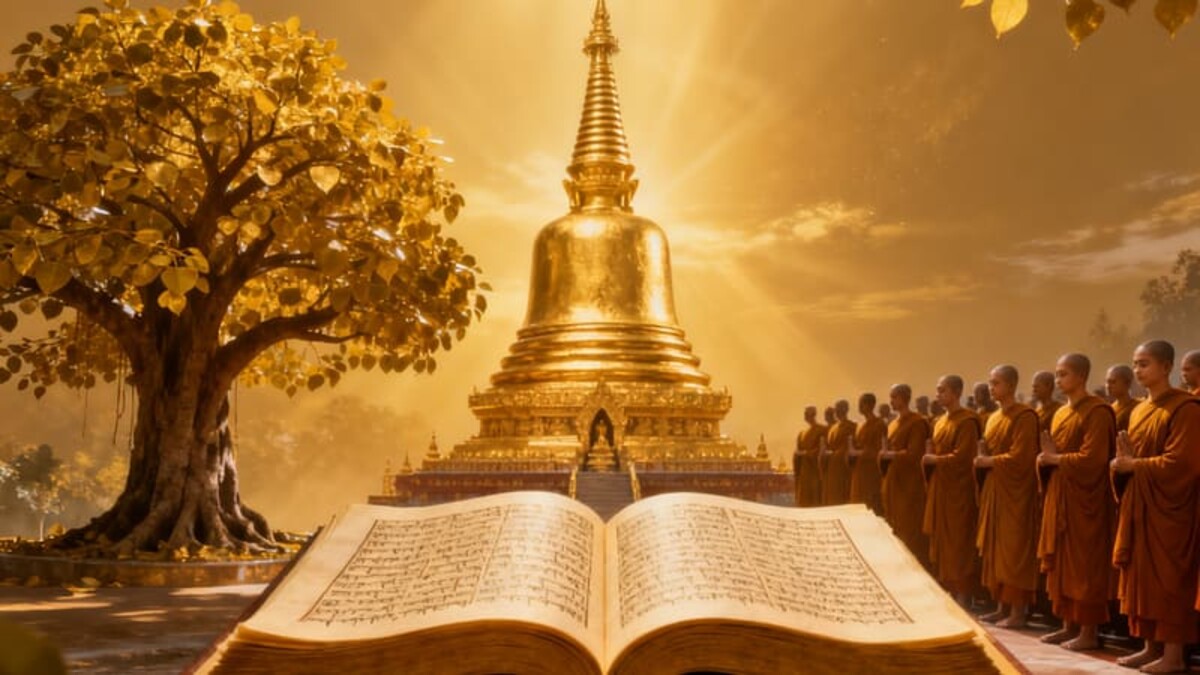
The Amitabha Sutra is the core text of Pure Land Buddhism, describing a realm free from suffering. But the Pure Land is not a destination after death — it is where your heart settles in this moment. When you recite the Buddha's name with a focused mind, you are already there.

The Diamond Sutra is the core text of Zen Buddhism. Its central teaching — "cultivate a mind that abides nowhere" — has inspired everyone from a 7th-century woodcutter to Steve Jobs. Here is what it actually means for your daily life.

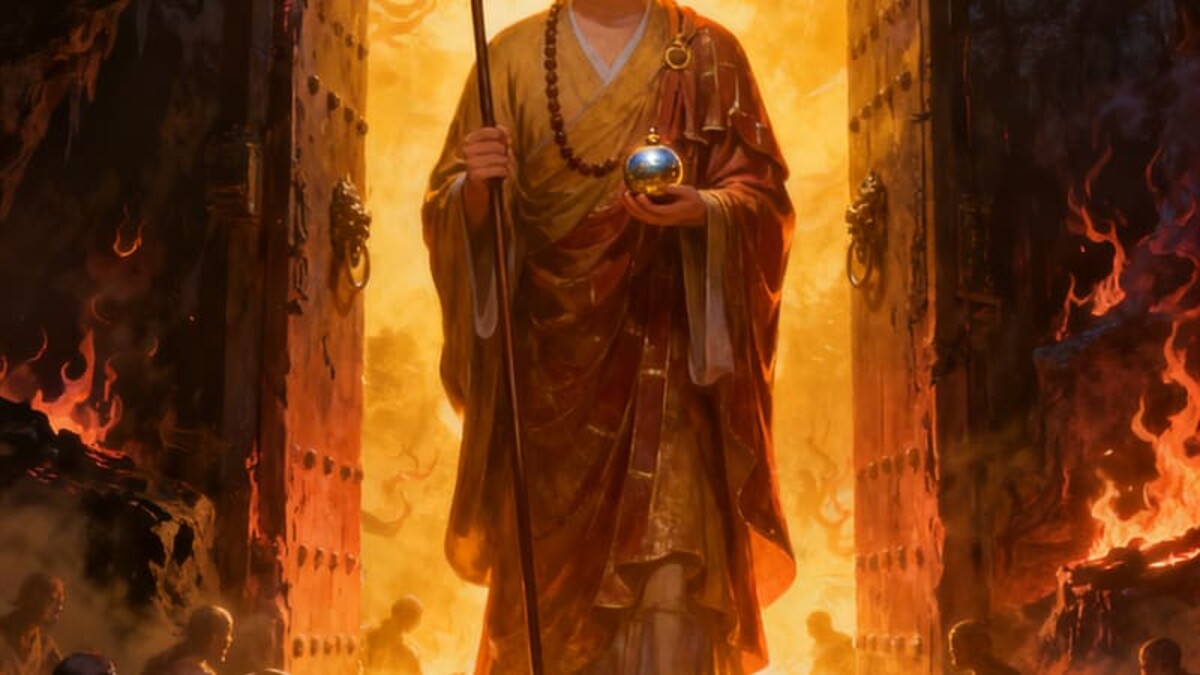
The Ksitigarbha Bodhisattva Sutra is perhaps the most moving text in all of Buddhism. His vow — "I will not become a Buddha until all hells are empty" — represents the deepest compassion imaginable. It is not only about death and the afterlife; it is wisdom about how to live, how to love, and how to never give up.

The Three Jewels — Buddha, Dharma, and Sangha — are the most fundamental concept in Buddhism. This article explains their meaning and relevance for modern life.

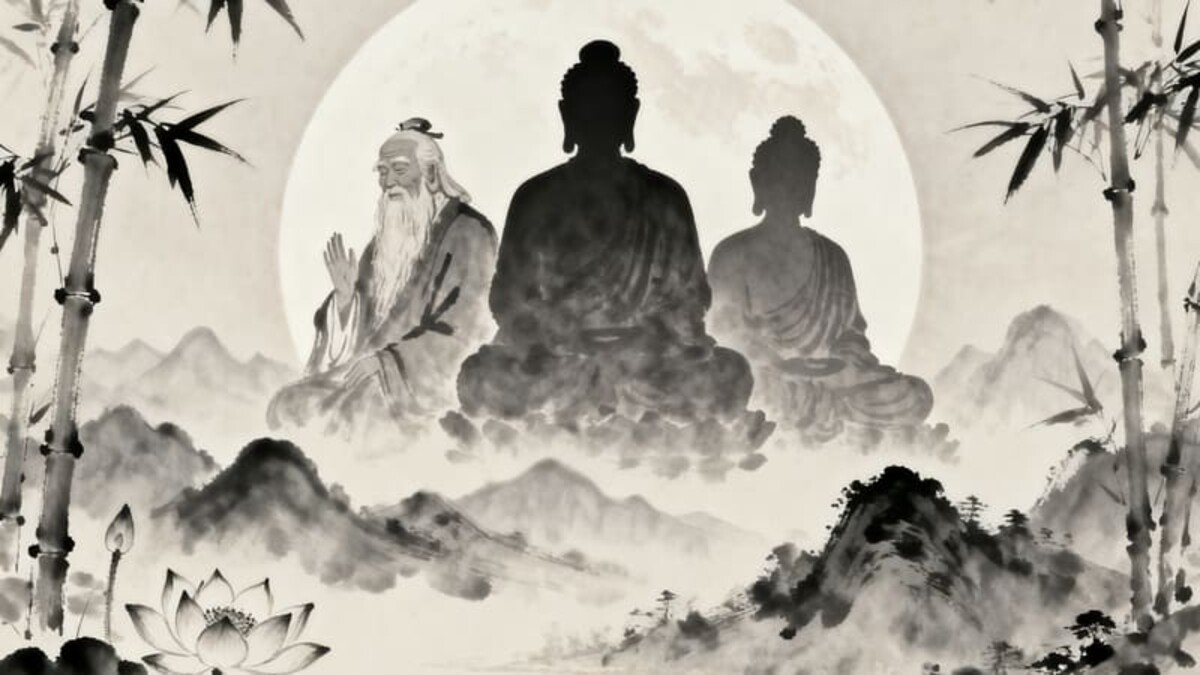
Four precepts guide the cultivation of clarity: non-attachment, non-craving, non-dwelling, non-striving. These are the shared wisdom of Confucianism, Buddhism, and Daoism.

Master Hsing Yun pioneered Humanistic Buddhism, bringing the Dharma into daily life. He taught us: Buddhism is not about escaping the world, but engaging with it more fully.

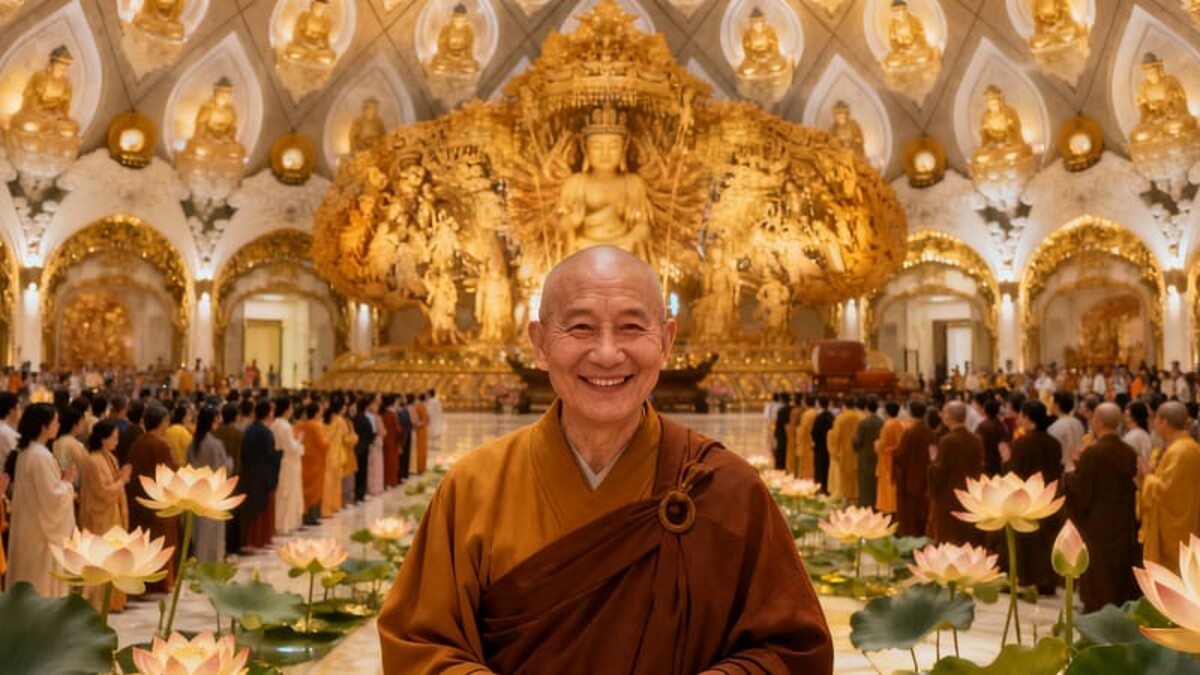
Master Ji Qun interprets the Dharma in language modern people can understand. He teaches us: Learning Buddhism is not about escaping—it is about awakening; not about gaining something, but discovering what was always there.

Master Jing Kong's teachings: how to integrate Buddhism into daily life, how to practice Pure Land, and how to find true liberation in the world.