Who Tied You Up
This morning, while wiping my mala beads, a phrase suddenly surfaced in my mind. "Who tied you up?" Four words. Strange to say, but they floated up fr
Whatever comes to mind. Sometimes a story I read, sometimes something that came to me while holding my mala beads.

This morning, while wiping my mala beads, a phrase suddenly surfaced in my mind. "Who tied you up?" Four words. Strange to say, but they floated up fr

Behind that chubby, big-bellied, grinning Buddha at the temple entrance, there was a real person — a monk who carried a cloth bag and spent his life smiling. This is his story.

Su Dongpo thought he was enlightened and wrote a poem declaring "the eight winds cannot move me." Foyin replied with two words: "Bullshit." He immediately crossed the river to confront his friend. This ancient story feels like it's about me.

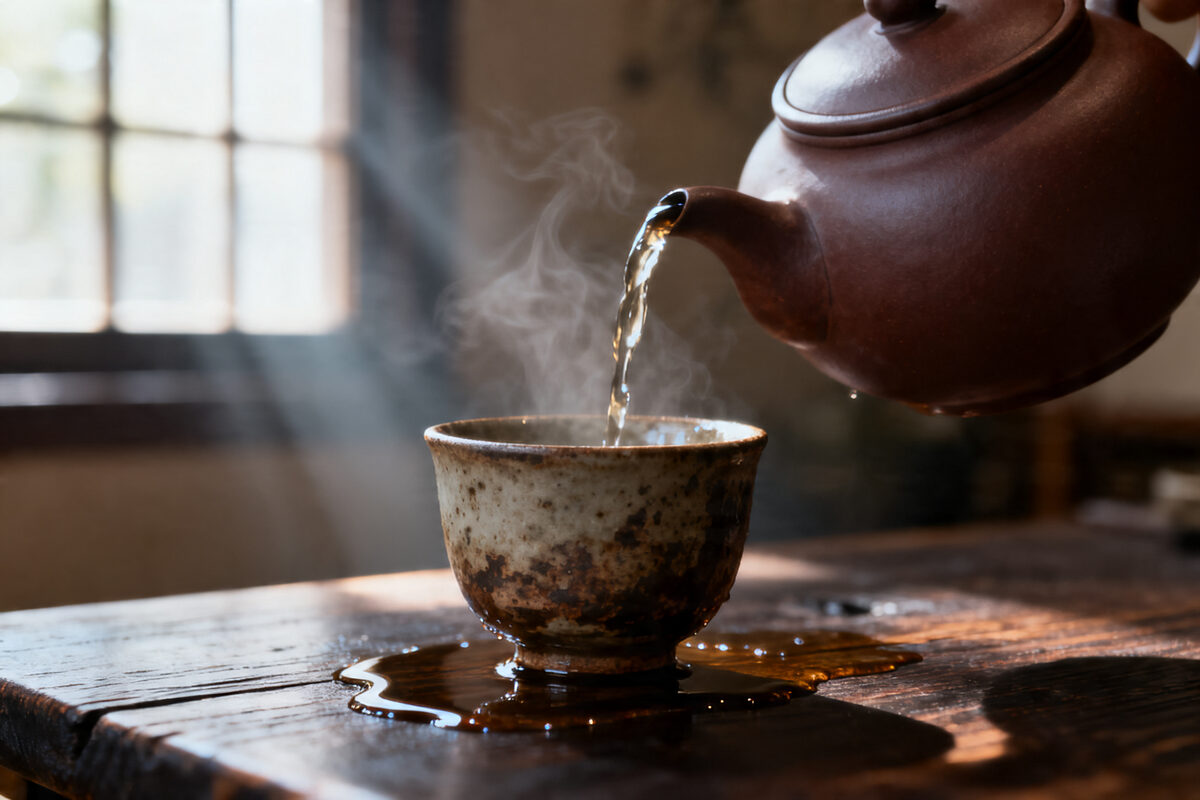
Over two thousand years ago, a monk and a king sat down to discuss a question that still has not gone out of style: Who are you? After reading this conversation, I picked up my cold tea and suddenly the cup felt strange in my hand.

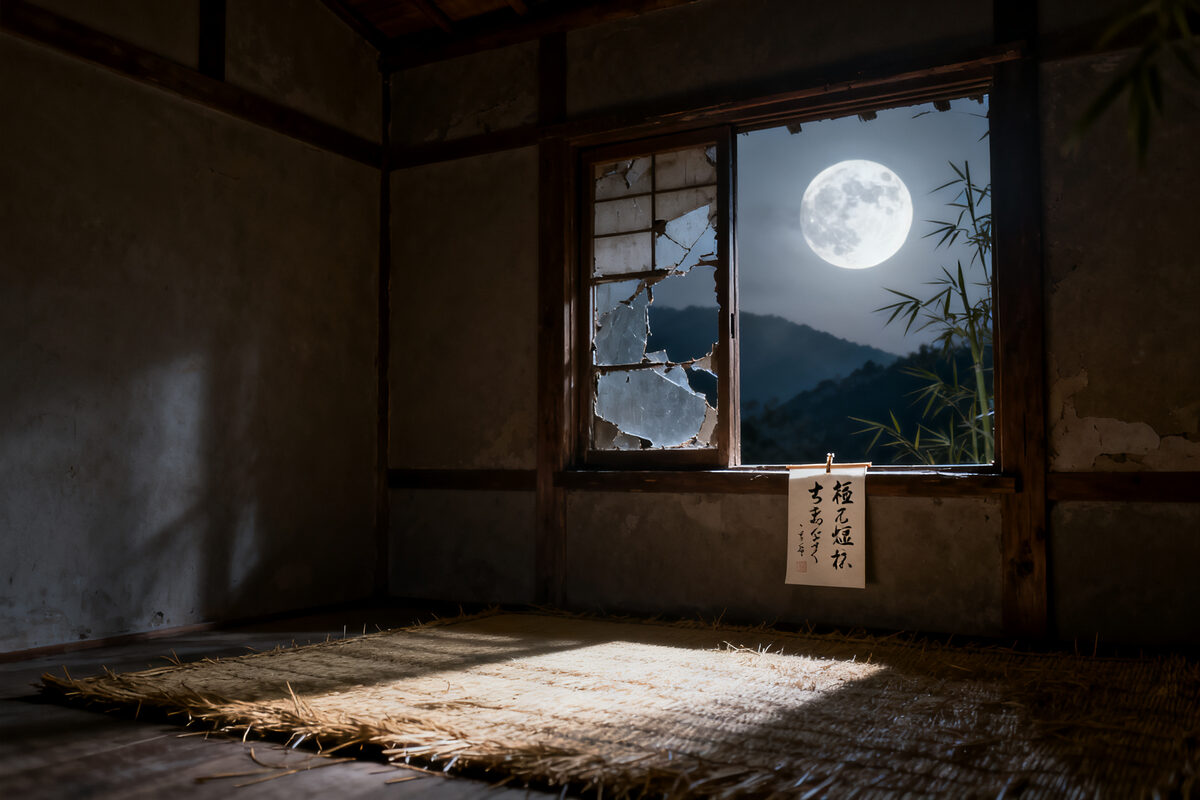
A man so poor he had nothing but moonlight, and a thief who found nothing worth stealing. The night Zen monk Ryōkan lost his last robe and saw the richest view in the world through his window.

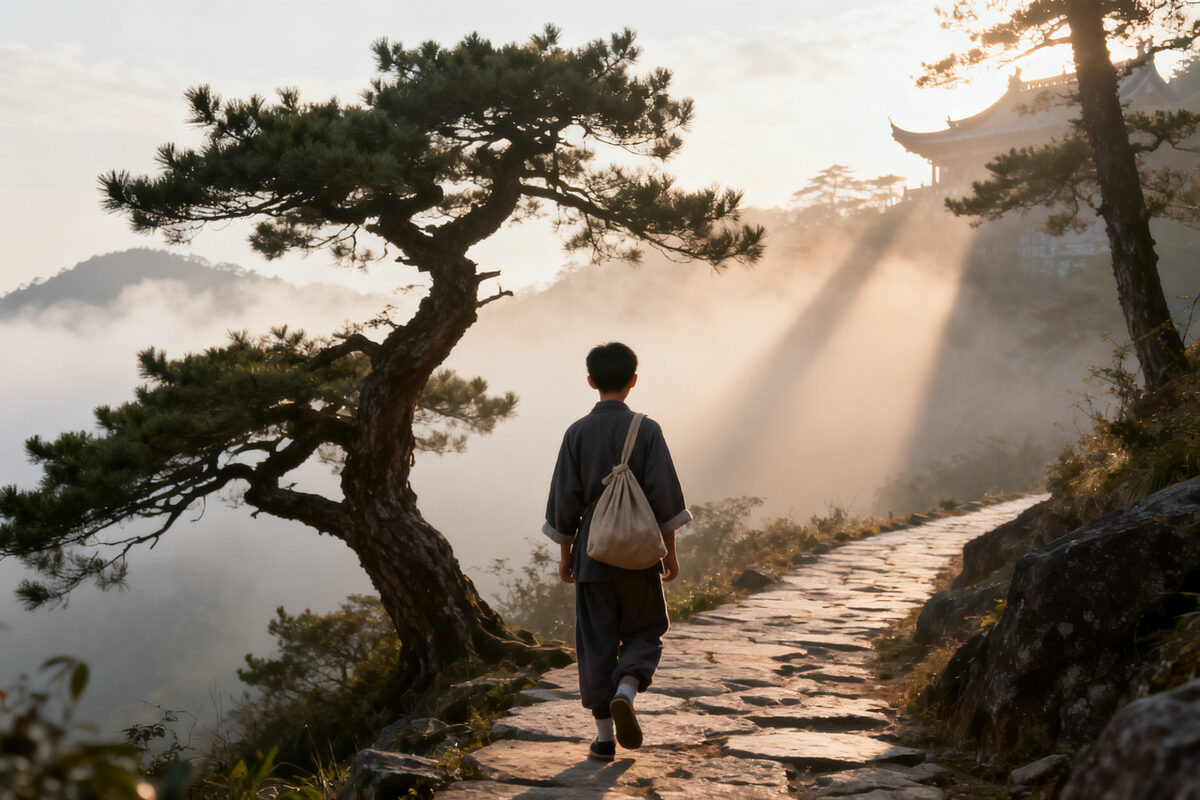
In the Avatamsaka Sutra, a young man walks a very long road to meet fifty-three teachers. Not a list of great masters - but a boatman, a doctor, a merchant, a king. Each one taught him a new way of seeing the world.

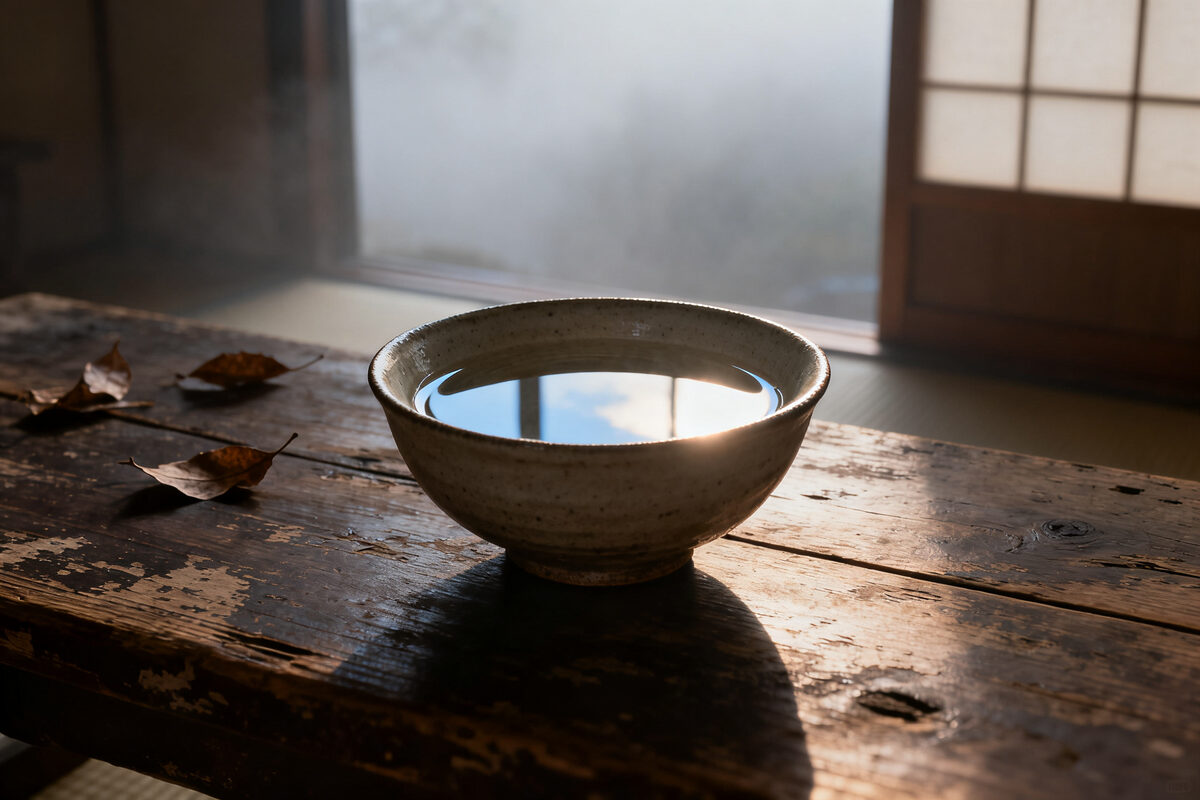
The great tea master Sen no Rikyu said tea is nothing more than boiling water, whisking tea, and drinking it. Yet he spent a whole winter preparing for just that. What hides in a bowl of clear water?


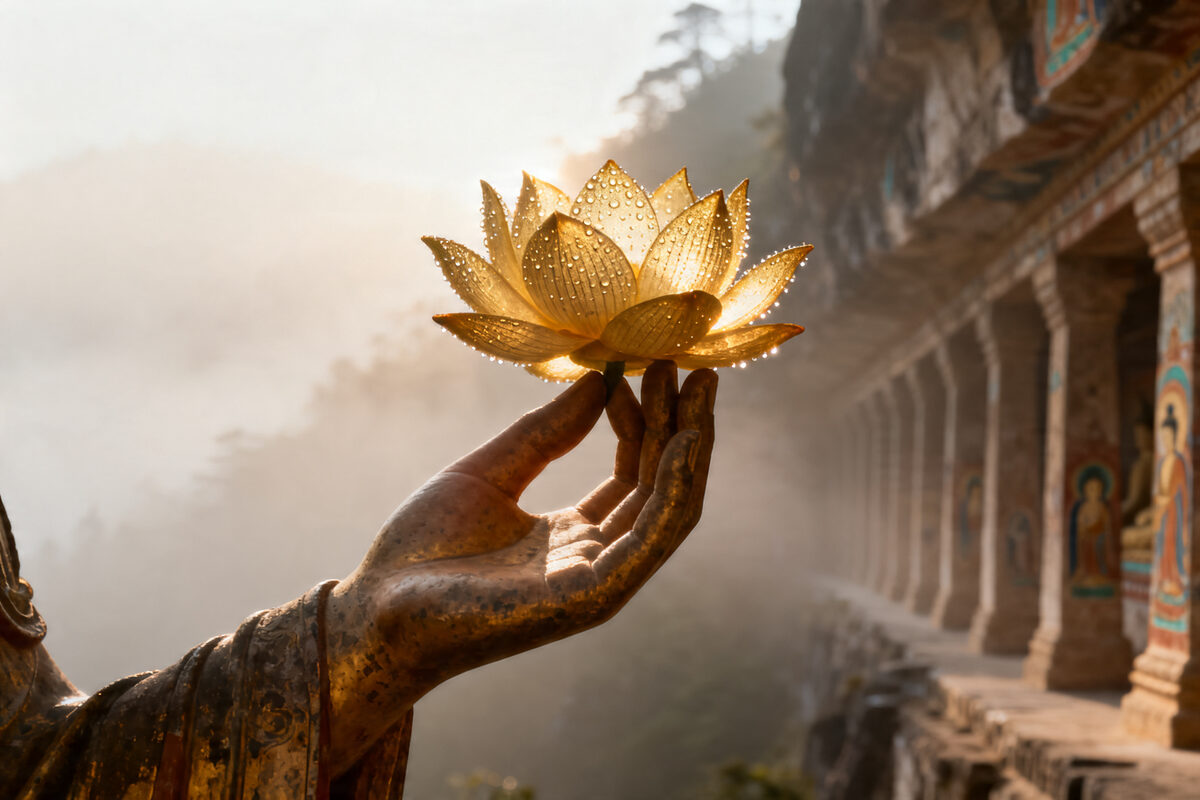
On Vulture Peak, the Buddha held up a single flower. Thousands were bewildered. Only Mahākāśyapa smiled. Thus began the mind-to-mind transmission that would become Zen — a timeless teaching about direct awareness beyond words.

Through the story of a traveler and a bamboo raft, the Buddha revealed the ultimate wisdom of practice—the Dharma is like a raft: after crossing the river, you need not carry it.

The Buddha scoops up a grain of sand from the Ganges and asks his disciples: How many grains are there? Uncountable, they reply. The karma of sentient beings, he says, is even more vast. Every grain is a cause; every drop of water is an effect.

A man struck by a poisoned arrow refuses treatment until he knows who shot it and what it's made of. The Buddha used this story to teach: solve the suffering at hand first.

The Surangama Sutra teaches: When the wild mind suddenly stops, that stopping is awakening. In an age of stolen attention, 2,500-year-old wisdom offers the most precise answer.

The Platform Sutra is the only Chinese Buddhist text classified as a "sutra" — a distinction reserved for the Buddha's own words. Its author, Huineng, could not read. His teaching comes down to a single question: what is your "original face"?

The Diamond Sutra is the core text of Zen Buddhism. Its central teaching — "cultivate a mind that abides nowhere" — has inspired everyone from a 7th-century woodcutter to Steve Jobs. Here is what it actually means for your daily life.